What is a NAS and What Hardware Does It Need?
A Network Attached Storage (NAS) device is a dedicated file storage server connected to a network, allowing multiple users and devices to access and share data from a central location. For a reliable and efficient NAS, the ideal hardware is a compact, low-power, and always-on computer. Key specifications include a modern, efficient processor (like Intel's N-series), sufficient RAM for smooth file operations and running NAS software, ample and fast SSD storage for the operating system and caching, and robust connectivity options including Gigabit Ethernet for fast network transfers.
Key Specifications for a NAS Mini PC
When selecting a mini PC for NAS duties, focus on these technical details:
-
Processor: Modern, low-TDP CPUs like the Intel N100 are ideal. They offer excellent performance-per-watt for handling file transfers, media transcoding (Plex, Jellyfin), and running containerized services (Docker) without excessive heat or power draw.
-
Memory (RAM): 8GB is a good starting point for basic file sharing. 16GB or more is recommended for running multiple applications, virtual machines, or extensive Docker containers alongside the NAS OS.
-
Storage: An internal SSD (128GB or 256GB) is perfect for hosting the NAS operating system (like TrueNAS, UnRAID, or OpenMediaVault) for fast boot and responsiveness. The actual data storage is handled by larger, external HDDs or SSDs connected via USB 3.2 or SATA ports.
-
Connectivity: Multiple Gigabit Ethernet ports are crucial for link aggregation or segregating traffic. USB 3.2 Gen 2 and USB-C ports provide high-speed connectivity for external drive enclosures.
-
Form Factor & Cooling: A fanless, compact Mini PC design ensures silent 24/7 operation, reduces dust intake, and improves reliability in varied environments.
Ideal Use Cases and Applications
A mini PC-based NAS is incredibly versatile:
-
Home & SOHO Media Server: Centralize your movie, music, and photo libraries for streaming to smart TVs, phones, and tablets.
-
Automated Backup Solution: Create a centralized backup target for all computers and mobile devices on your network.
-
Private Cloud Storage: Host your own secure cloud (using Nextcloud or similar) to sync files across devices without relying on third-party services.
-
Development & Homelab: Run development servers, databases, web applications, and network services in Docker containers or VMs.
-
Surveillance System Storage: Act as a network video recorder (NVR) for IP security cameras, storing footage locally.
Thinvent Mini PCs Optimized for NAS
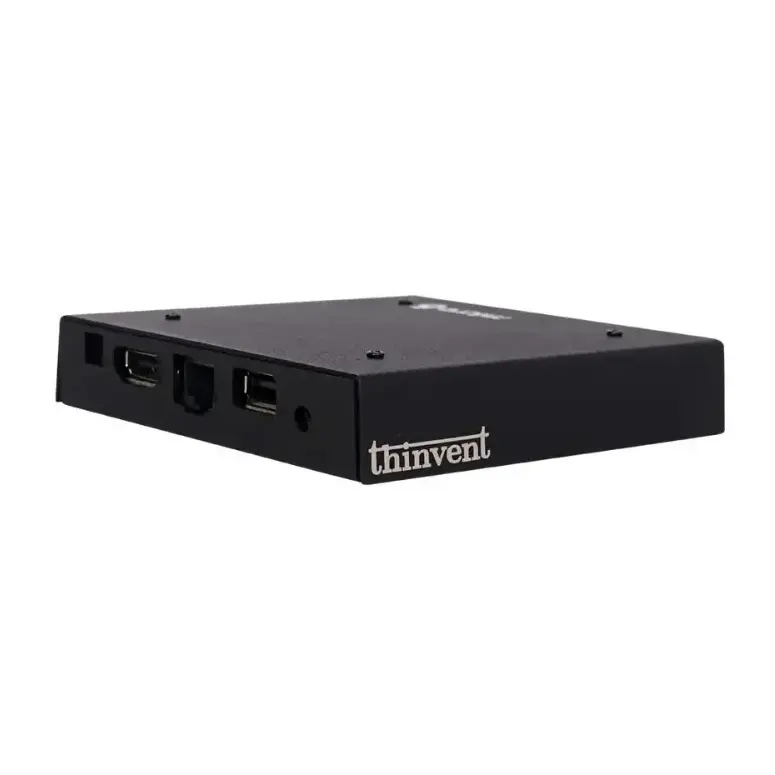
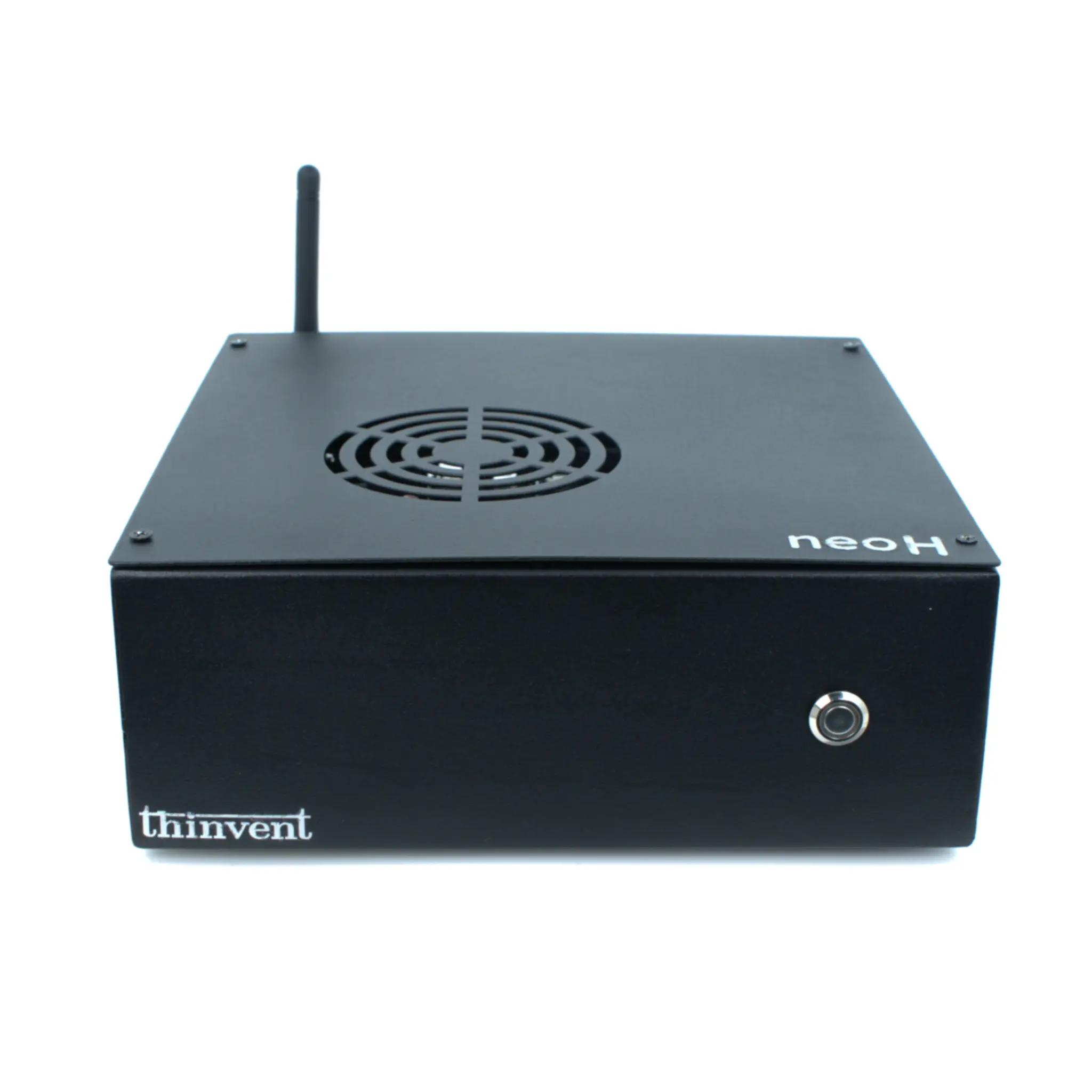
Thinvent's range of industrial-grade mini PCs are engineered for the demands of a 24/7 NAS. Our fanless designs, like the Aero series, eliminate moving parts for ultimate reliability and silent operation. Powered by efficient Intel processors (such as the N100), they deliver robust performance for file serving, media tasks, and virtualization while consuming minimal power. With multiple high-speed USB ports, Gigabit Ethernet, and support for various operating systems (including Linux distributions perfect for NAS software), Thinvent mini PCs provide a robust, customizable, and professional foundation for building your perfect network storage solution.