What "CA" Means in Industrial Computing
In the world of industrial computing, "CA" most commonly refers to Control and Automation — the systems that monitor sensors, run machinery, manage production lines and keep critical infrastructure operating reliably. A "CA" system is typically a fanless industrial PC or edge controller that runs 24/7 in environments where dust, heat, vibration and electrical noise are everyday realities, not exceptions.
Control and automation hardware has to do a specific job: acquire data from the field, process it deterministically, and act on it without interruption. That means the computer must survive extended temperature ranges, tolerate wide-input DC power, accept serial and digital I/O, and keep running for years without a fan to clog or a filter to replace.
Key Specifications for CA Systems
When specifying a computer for control and automation, these characteristics matter most:
| Requirement | Why It Matters | Typical Specification |
|---|---|---|
| Fanless cooling | No moving parts to fail or draw in dust | Passive heatsink chassis |
| Wide-temperature operation | Plant floors, cabinets and outdoor enclosures | Extended operating range |
| Serial I/O | PLCs, meters, drives, legacy equipment | RS-232 / RS-485, DB9 ports |
| Stable networking | SCADA, HMI and MES connectivity | Dual Gigabit Ethernet |
| Long-lifecycle supply | Deployments run for 5–10 years | Fixed BOM, long availability |
| Flexible OS | Vendor-specific or hardened images | Windows, Linux, DOS, no OS |
Processor and Platform Choices
Modern control and automation platforms span a wide performance band. Entry-level systems based on Intel® Celeron® and N-series processors (such as the N95, N100 and N150) handle HMI, data logging and gateway duties with very low power draw. Mid-range platforms built on Intel® Core™ i3 processors — for example the 6-core, 12th-generation i3-1215U running up to 4.4 GHz with 10 MB cache — deliver the headroom needed for edge analytics, vision pre-processing, multi-protocol gateways and virtualised workloads. Higher tiers with Intel® Core™ i5 options support heavier SCADA, database and machine-learning inference tasks.
Memory and storage should be sized for the application's data retention and logging needs: 8–16 GB of RAM is typical for HMI and gateway roles, while 32 GB or more suits edge servers and multi-application hosts. SSD storage from 128 GB to 1 TB covers everything from thin-client-style deployments to local historians.
Use Cases and Applications
Fanless industrial computers are deployed across a broad range of control and automation scenarios: factory automation (PLC supervision, robot cells, conveyor control), process industries (SCADA nodes, flow and pressure monitoring), building and energy management (BMS controllers, substation gateways), transport and logistics (sortation control, kiosk and terminal hosts), and remote infrastructure (telecom cabinets, water treatment, oil and gas telemetry). In each case the common thread is the same: a computer that stays online, keeps its data, and does not need a climate-controlled room to survive.
Thinvent's Range for Control and Automation
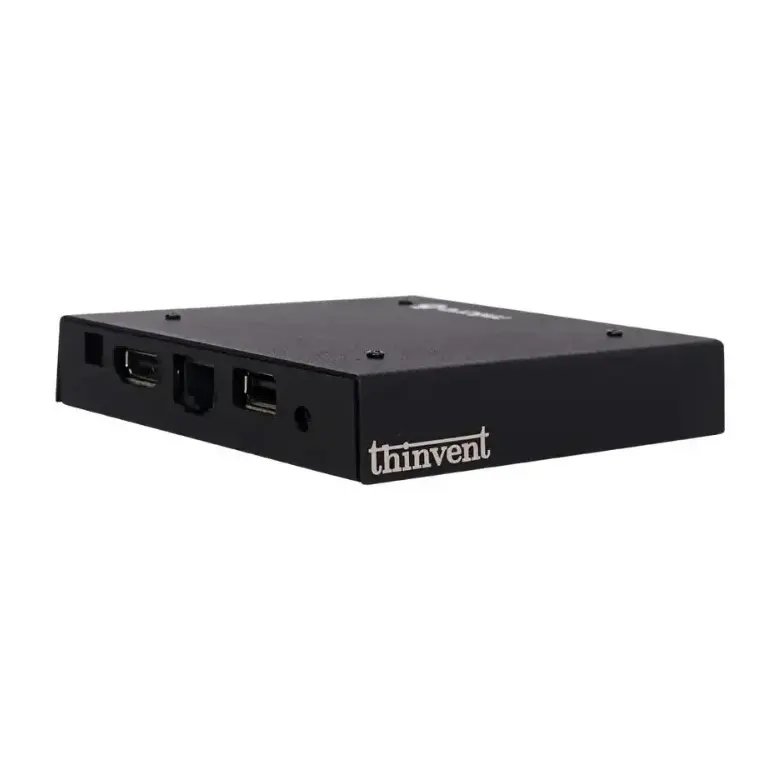
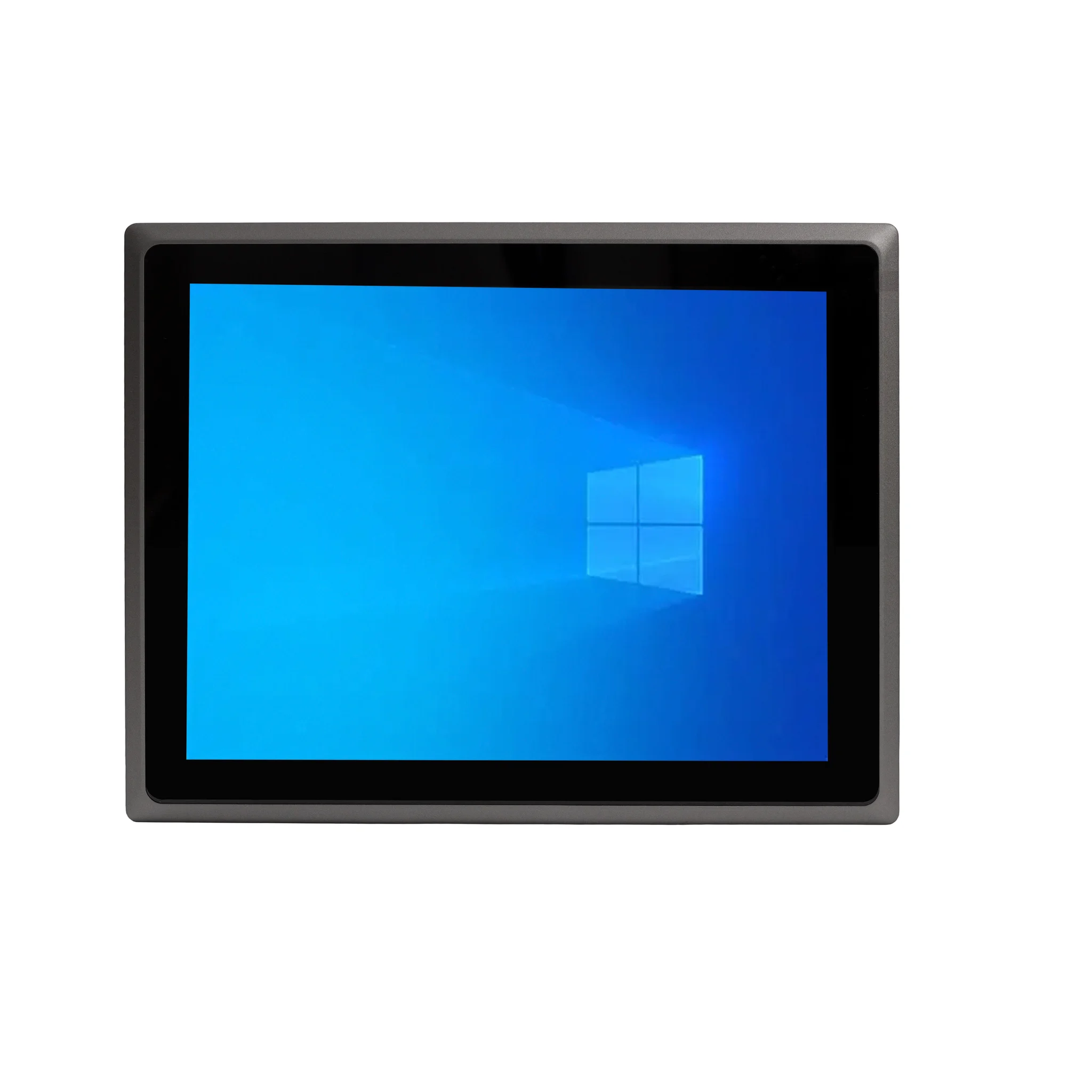
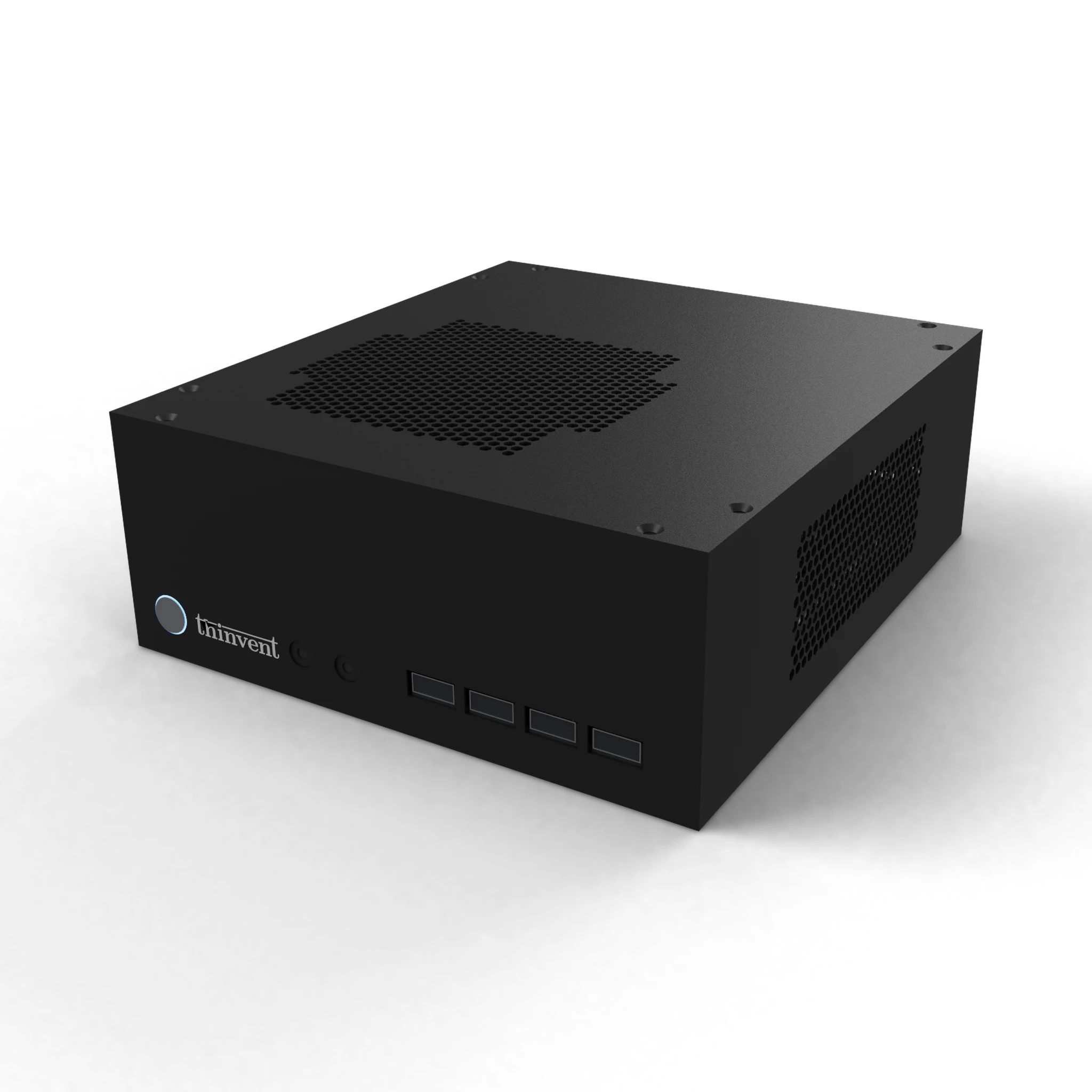
Thinvent builds industrial computers, mini PCs, thin clients and all-in-one PCs designed for exactly these duties. The IPC3 industrial PC pairs a 6-core Intel® Core™ i3-1215U processor with up to 16 GB DDR4 RAM and 1 TB SSD, and is available with quad DB9 serial ports for connecting PLCs, drives and instruments directly — plus a choice of Windows 11 Professional, Windows 11 IoT Value, DOS, Thinux™ Embedded Linux, or no operating system at all. Fanless mini PCs cover lighter HMI and gateway roles, while thin clients and all-in-one PCs serve operator stations and shop-floor terminals. Every platform is built to run quietly, tolerate harsh surroundings, and stay in service for years.