What Are Care Computers for Industrial Use?
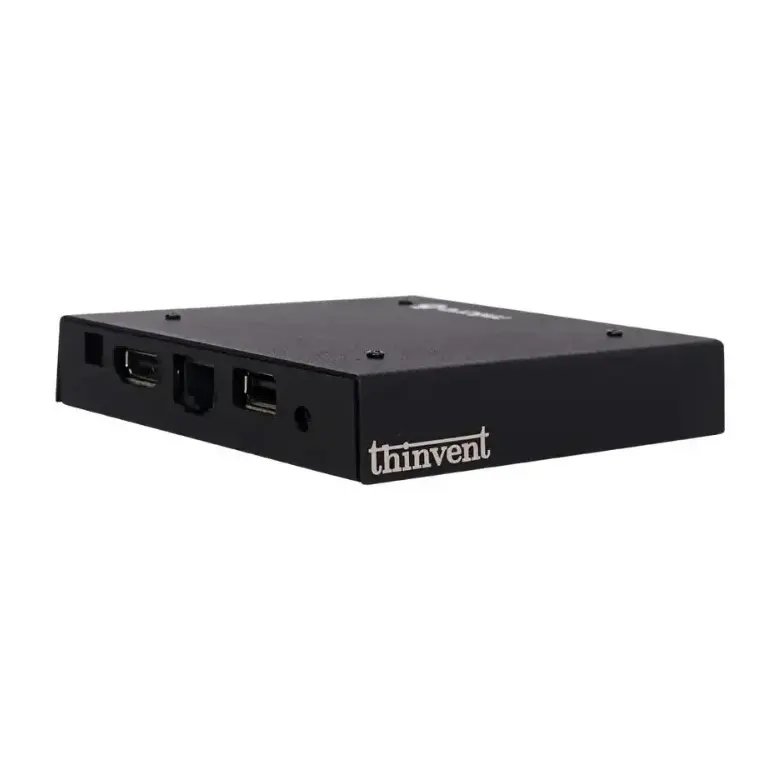
A "Care Computer" in an industrial context, such as for a facility in Seoni, refers to a specialized computing system designed for reliability, durability, and low maintenance in demanding environments. These are typically compact, fanless industrial PCs or mini PCs built to operate 24/7 with minimal intervention. They prioritize stable performance, resistance to dust and vibration, and efficient thermal management without moving parts.
Key Specifications and Technical Details
Industrial care computers are engineered with specific hardware to ensure longevity. Core specifications often include:
-
Fanless Design: Eliminates dust ingress and mechanical failure points, enabling silent operation in clean or noise-sensitive environments.
-
Rugged Construction: Often features metal casings and wide operating temperature ranges to withstand industrial settings.
-
Efficient Processors: Utilize low-power, thermally efficient CPUs like Intel's N-series (e.g., N100) or Celeron series, which provide ample performance for dedicated tasks without excessive heat.
-
Adequate Memory and Storage: Commonly configured with 8GB to 16GB of RAM and SSD storage (128GB to 512GB) for fast boot times and reliable data access.
-
Rich I/O Connectivity: Multiple USB ports, Ethernet, HDMI/DisplayPort outputs, and sometimes serial ports (COM) for connecting to legacy industrial equipment.
Primary Use Cases and Applications
These robust computers are deployed in scenarios where standard commercial PCs would fail. Common applications include:
-
Digital Signage & Kiosks: Running information displays in public spaces, factories, or transportation hubs.
-
Industrial Automation: Acting as a controller or HMI (Human-Machine Interface) for machinery on the factory floor.
-
Thin Clients & VDI: Providing secure, centralized access to enterprise applications and virtual desktops.
-
Edge Computing: Processing data locally from IoT sensors in retail, agriculture, or smart city infrastructure.
-
Healthcare & Laboratory Equipment: Powering diagnostic devices or information terminals where reliability is critical.
Comparison of Common Industrial PC Form Factors
| Feature | Industrial Mini PC | Thin Client | Industrial All-in-One |
|---|---|---|---|
| Best For | Space-constrained automation, embedded systems | Centralized computing (VDI), secure terminals | Interactive kiosks, control panels, HMIs |
| Typical CPU | Intel N-series, Celeron, low-power i3/i5 | Intel/ARM processors | Intel i3/i5, Celeron |
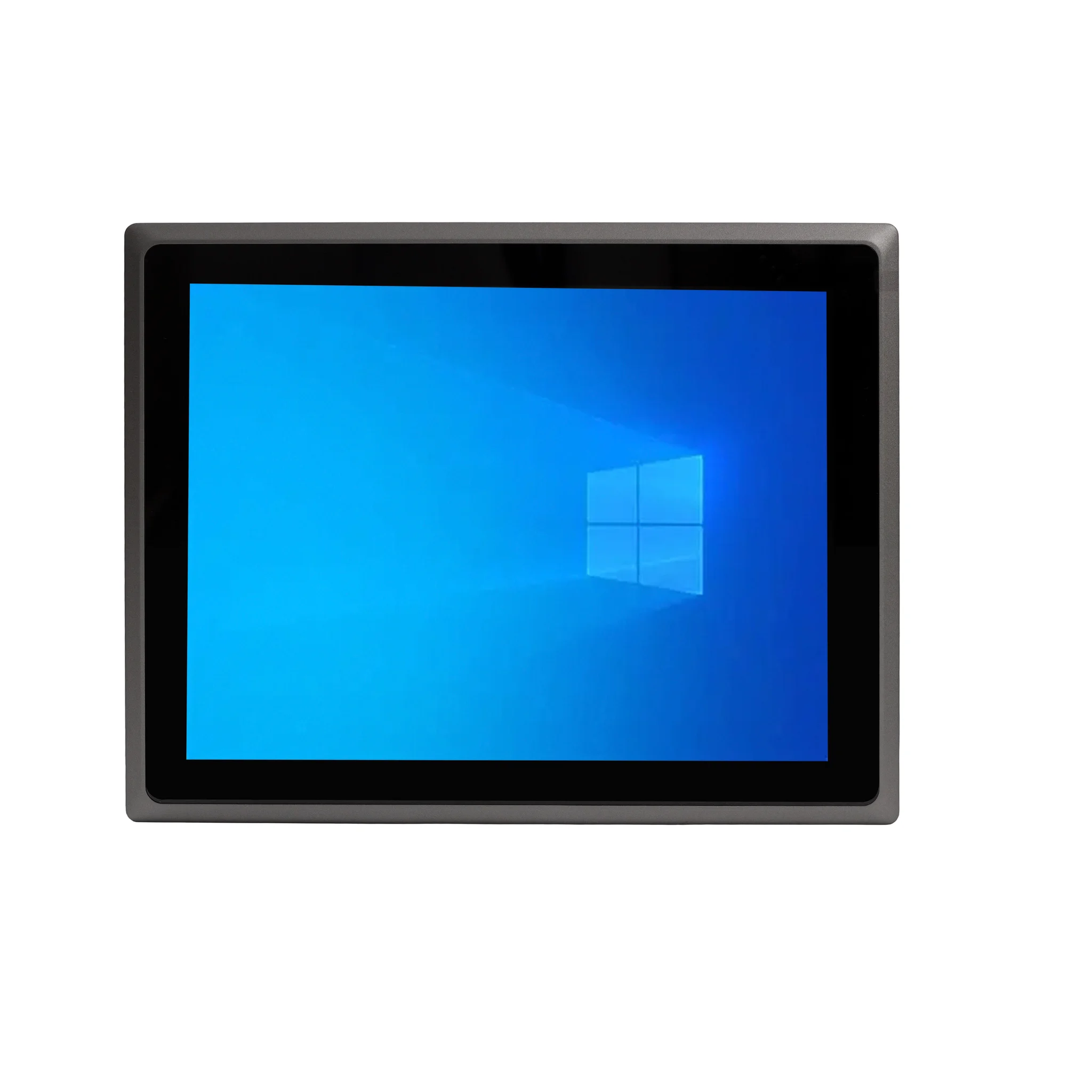
| Key Advantage | Ultra-compact, fanless, versatile mounting | Low cost, easy management, enhanced security | Integrated display, touchscreen option, clean setup |
| Connectivity | Standard PC I/O + optional serial/GPIO | Focus on network & display ports | All-in-one design with built-in peripherals |
Thinvent's Range of Industrial Care Computers
Thinvent manufactures a comprehensive lineup of industrial-grade computing solutions perfect for care computer applications. Our Aero Mini PC series, exemplified by the Intel N100 models, embodies the core principles of reliability with its completely fanless chassis, efficient quad-core performance, and support for multiple operating systems including Windows, Linux, and embedded platforms. For more demanding computational tasks, our product portfolio extends to higher-performance mini PCs and All-in-One terminals featuring the latest Intel Core processors. All Thinvent systems are built for global deployment, offering the durability and consistent performance required for critical industrial operations in Seoni and beyond.