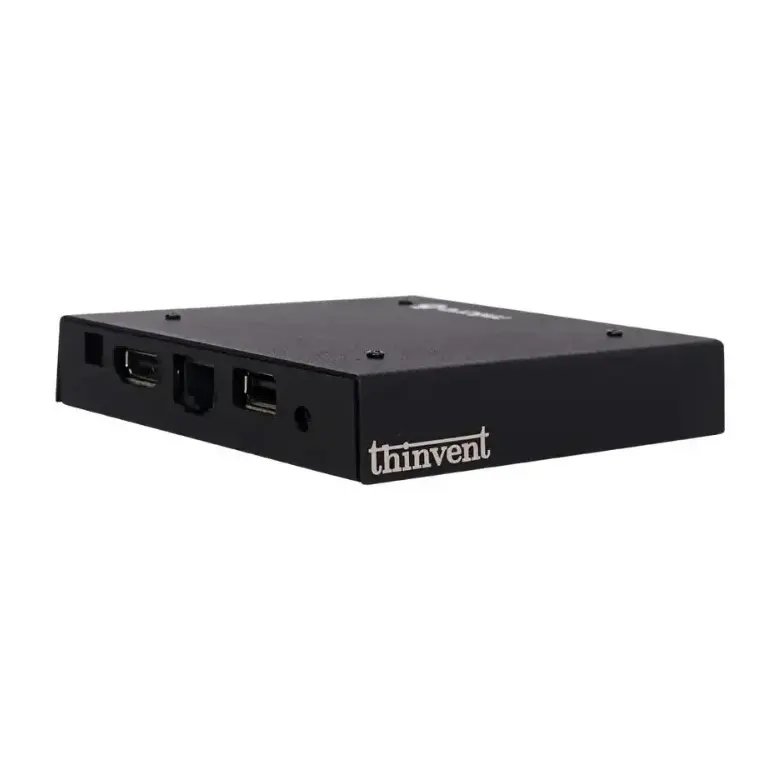
What Is a "Computer 251" Industrial Computer?
A "computer 251" style industrial computer is a rugged, fanless computing platform built to run continuously in factories, kiosks, control rooms and outdoor cabinets. Unlike an office desktop, it is designed around 24/7 operation, wide-temperature tolerance, dust and vibration resistance, and long-term component availability. The number in such naming usually refers to a chassis or model code rather than a specification, so the practical way to evaluate any industrial computer is by its processor, memory, storage, I/O and operating system support.
Key Specifications to Look For
The heart of a modern industrial computer is its processor platform. Intel's 12th generation Core i3-1215U is a popular choice: 6 cores (2 performance + 4 efficient), up to 4.4 GHz turbo frequency and 10 MB of cache, with a low thermal design power that suits fanless enclosures. This delivers responsive performance for HMI, SCADA, data logging and edge analytics without needing a fan that would draw in dust.
| Feature | Typical Industrial Computer Specification |
|---|---|
| Processor | Intel Core i3-1215U, 6 cores, up to 4.4 GHz, 10 MB cache |
| Memory | 16 GB DDR4 (expandable in many models) |
| Storage | 1 TB SSD, often M.2 or 2.5" SATA |
| Power | 12 V DC adapter input, wide-range options available |
| Serial I/O | Optional quad DB9 RS-232/RS-485 ports |
| Networking | Gigabit Ethernet, optional dual LAN |
| Operating System | Windows 11 Pro / IoT, Linux, DOS or no OS |
| Mounting | DIN rail, VESA or wall-mount brackets |
Use Cases and Applications
Industrial computers in this class are used where a normal PC would fail. Common deployments include production line HMI terminals, CNC and machine tool front ends, warehouse and logistics stations, digital signage and kiosks, building management systems, and edge gateways that collect data from PLCs and sensors. Models with quad DB9 serial ports are especially useful for legacy equipment that communicates over RS-232 or RS-485, allowing old machinery to be connected to modern software without replacing the machines themselves.
Choosing the Right Configuration
When selecting an industrial computer, match the operating system to the application: Windows 11 Pro for standard commercial software, Windows 11 IoT for locked-down appliances, Linux for custom or open-source stacks, and DOS or no OS for users who will install their own image. Storage and memory should be sized for the application's data retention needs, and I/O should be counted carefully — serial ports, USB, HDMI and Ethernet are often the deciding factors. Fanless designs are preferred in dusty or hot environments because they remove the most common point of failure.
Thinvent Industrial Computers Featuring This Technology
Thinvent builds a range of industrial computers, mini PCs, thin clients and all-in-one PCs around Intel platforms including the Core i3-1215U. The Thinvent IPC3 industrial computer pairs this 6-core processor with 16 GB DDR4 RAM and a 1 TB SSD, and is available with Windows 11 Pro, Windows 11 IoT Value, DOS, or Thinux™ embedded Linux, with or without quad DB9 serial ports. This flexibility lets system integrators standardise on one hardware platform across multiple projects while matching the software image to each deployment.