What Are Industrial Computers?
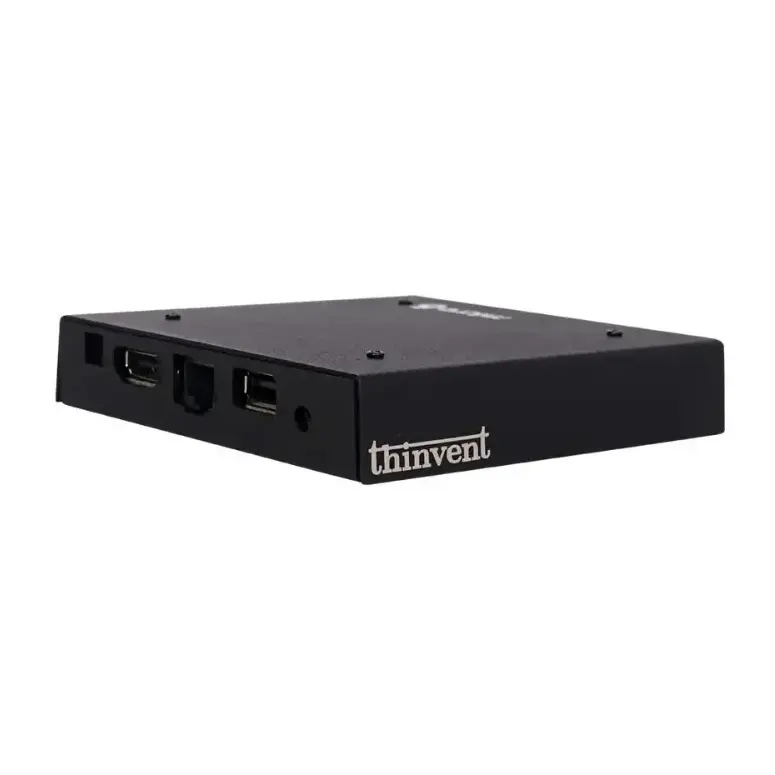
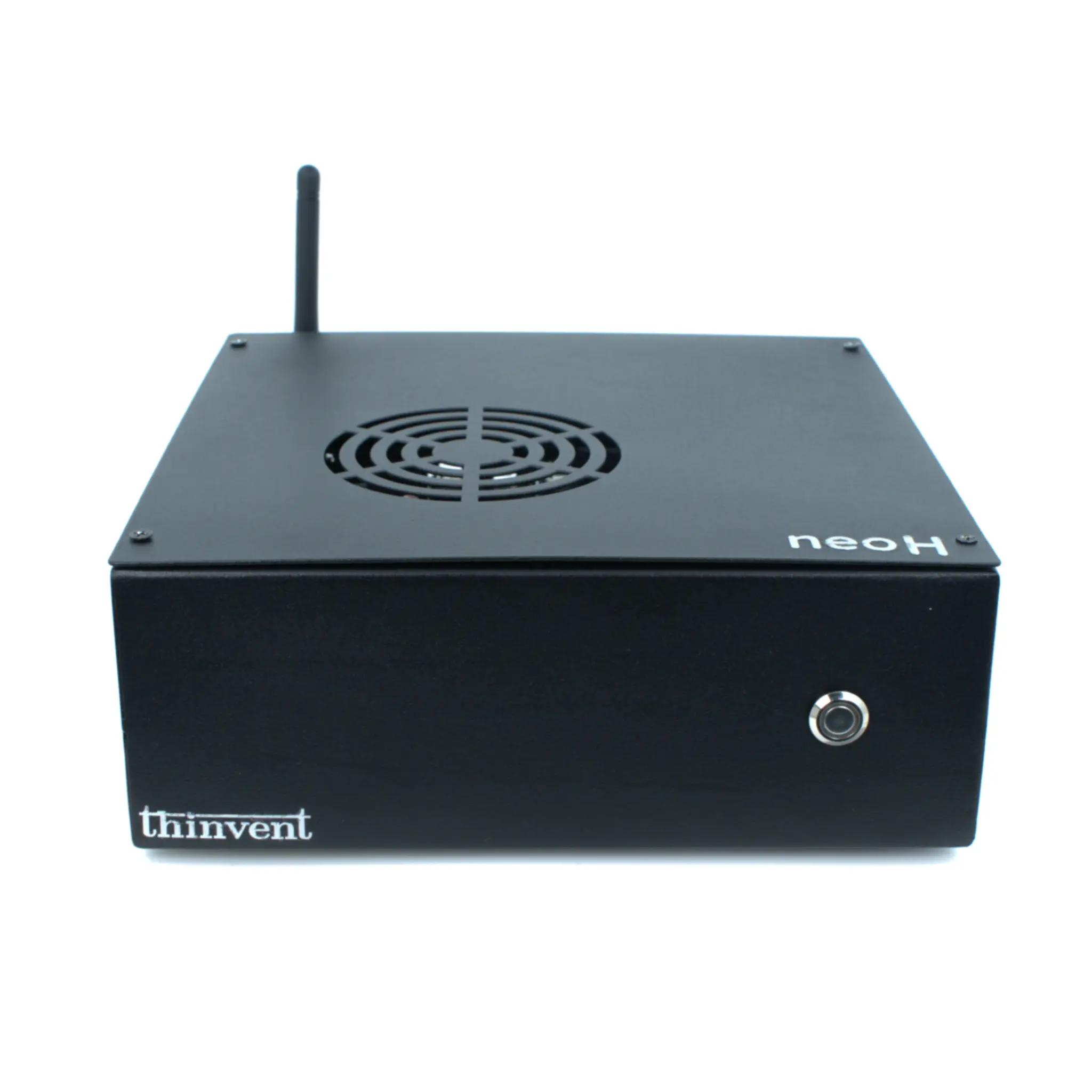
Industrial computers are specialized computing systems designed for reliable operation in demanding environments. Unlike standard consumer PCs, they are built with durability, longevity, and stability as core principles. They typically feature fanless cooling systems for silent, dust-resistant operation, wide operating temperature ranges, and robust enclosures to withstand shock, vibration, and harsh industrial conditions. These systems are engineered for 24/7 operation, ensuring mission-critical applications run without interruption.
Key Specifications and Technical Details
The core of an industrial computer is its ruggedized design. Key specifications include:
-
Form Factors: Available as compact Mini PCs, space-saving Thin Clients, integrated All-in-One panels, and modular Industrial PCs.
-
Processors: Utilize efficient Intel processors (like the N-Series or Core i-Series) or ARM-based chips, balancing performance with low power consumption and heat generation.
-
Memory & Storage: Configurations typically range from 4GB to 64GB of RAM and 128GB to 1TB+ of solid-state storage (SSD) for fast, reliable data access.
-
Connectivity: Equipped with multiple Gigabit Ethernet ports, USB 3.2, HDMI/DisplayPort outputs, and often serial ports (COM) for legacy industrial equipment.
-
Operating Systems: Support for industrial-grade OS options like Windows IoT, Linux distributions (Ubuntu, Thinux™), or can be supplied without an OS for custom software deployment.
Use Cases and Applications
Industrial computers are deployed across numerous sectors where standard computers would fail. Common applications include:
-
Factory Automation: Controlling PLCs, HMIs (Human-Machine Interfaces), and robotic arms on the manufacturing floor.
-
Digital Signage & Kiosks: Powering interactive displays in retail, transportation hubs, and public spaces, often in 24/7 operation.
-
Edge Computing & IoT Gateways: Collecting, processing, and transmitting data from sensors and devices at the network edge.
-
Transportation & Logistics: Used in fleet management, vehicle telematics, and warehouse automation systems.
-
Medical & Laboratory Equipment: Providing stable computing platforms for diagnostic machines and monitoring systems.
Comparison: Industrial vs. Consumer Computers
| Feature | Industrial Computer | Consumer Desktop PC |
|---|---|---|
| Operating Temperature | Wide range (e.g., -20°C to 60°C) | Narrow range (typically 5°C to 35°C) |
| Cooling System | Fanless (passive cooling) | Active fans (can clog with dust) |
| Build Quality | Metal chassis, shock/vibration resistant | Primarily plastic, not rated for vibration |
| Component Longevity | Industrial-grade, extended life cycles | Consumer-grade, shorter life cycles |
| Power Supply | Wide voltage input (e.g., 9-36V DC) | Standard 110-240V AC |
| Typical Use Case | 24/7 operation in harsh conditions | Intermittent use in office/home |
Thinvent's Range of Industrial Computing Solutions
Thinvent offers a comprehensive portfolio of industrial-grade computing hardware designed for reliability. Our product lines include the compact and versatile Aero Mini PC series, perfect for space-constrained installations, as well as robust Thin Clients for virtualized environments and powerful All-in-One panels for integrated display solutions. Each system is built with industrial components, supports multiple operating systems, and is tested for durability to ensure it delivers consistent performance where it matters most.