What Are Computer Embedded Devices?
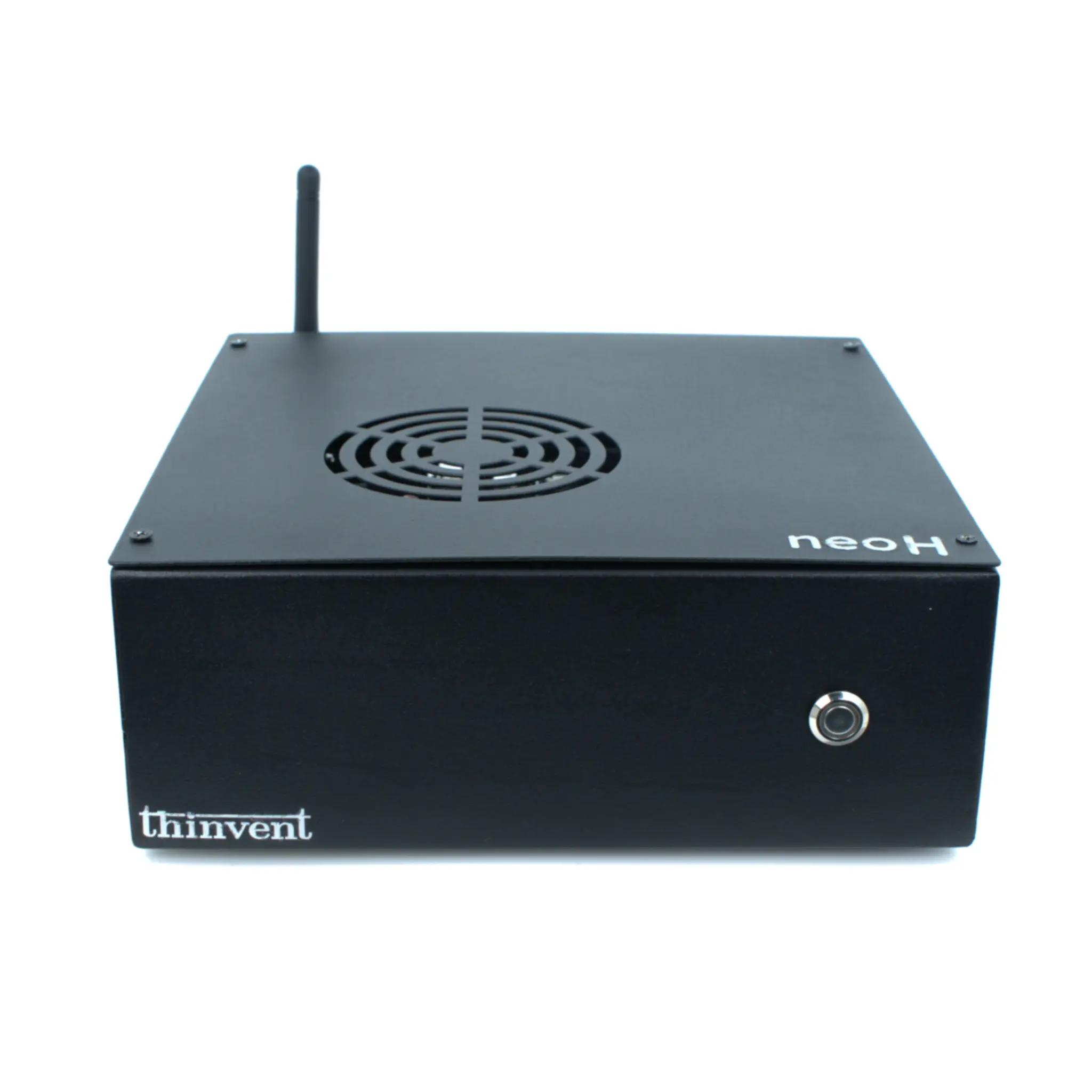
Computer embedded devices, or embedded systems, are specialized computing platforms designed to perform dedicated functions within larger mechanical or electrical systems. Unlike general-purpose computers, they are typically integrated into equipment and operate with minimal user intervention. These devices are characterized by their compact form factors, low power consumption, and robust construction, making them ideal for deployment in challenging environments where reliability is paramount.
Key Specifications and Technical Details
Modern embedded computers feature a range of processors, from efficient Intel N-series CPUs for basic control tasks to more powerful Intel Core i-series processors for demanding applications. They often utilize fanless cooling systems for silent, maintenance-free operation and enhanced reliability by eliminating moving parts. Key technical aspects include wide operating temperature ranges (often from -20°C to 60°C), support for industrial-grade I/O (multiple Ethernet, USB, serial ports), and compatibility with various operating systems like Windows IoT, Linux distributions, or real-time operating systems (RTOS). Storage and memory are typically solid-state (SSD and DDR RAM) to withstand vibration.
Common Use Cases and Applications
Embedded computers are the backbone of automation and digitalization across industries. Common applications include:
-
Industrial Automation: Programmable Logic Controller (PLC) systems, Human-Machine Interfaces (HMI), and machine vision.
-
Digital Signage & Kiosks: Powering interactive displays, wayfinding systems, and point-of-sale terminals.
-
Transportation & Logistics: In-vehicle computing for fleet management, baggage handling systems, and automated guided vehicles (AGVs).
-
Healthcare: Medical imaging devices, patient monitoring systems, and diagnostic equipment.
-
Retail & Hospitality: Self-checkout systems, inventory management, and hotel room automation.
Comparison of Common Embedded Form Factors
| Form Factor | Key Characteristics | Typical Applications |
|---|---|---|
| Industrial Panel PC | Integrated display and computer, ruggedized touchscreen. | Factory floor HMIs, control panels, kiosks. |
| Box PC / Mini PC | Compact, modular, versatile mounting (VESA, DIN-rail). | Space-constrained automation, digital signage, edge computing. |
| Thin Client | Low-power, centrally managed, often diskless. | Virtual Desktop Infrastructure (VDI), secure office environments. |
| Single-Board Computer (SBC) | Highly integrated, low-cost, developer-friendly. | Prototyping, educational kits, simple IoT gateways. |
Thinvent's Range of Embedded Computing Solutions
Thinvent offers a comprehensive portfolio of reliable embedded computer devices engineered for 24/7 operation. Our product lines include fanless Mini PCs like the Aero series, built with efficient Intel processors for tasks ranging from digital signage to light industrial control. For more demanding computational needs, our Industrial PCs feature higher-performance Intel Core processors, greater expansion capabilities, and enhanced durability. We also provide Thin Clients for secure, streamlined desktop virtualization and All-in-One Panel PCs with integrated displays for interactive applications. All Thinvent devices are designed with a focus on longevity, stable performance, and compatibility with industrial operating systems to serve as a dependable foundation for your specialized applications.