What Makes a Computer Suitable for CAD/CAM?
A high-performance CAD/CAM computer is engineered to handle the intense computational demands of 3D modeling, simulation, and toolpath generation. Unlike standard office PCs, these systems require powerful multi-core processors for complex calculations, dedicated graphics capabilities for smooth rendering, ample RAM for handling large assemblies, and fast, high-capacity storage for project files. The primary goal is to eliminate lag, crashes, and long processing times, thereby maximizing productivity for engineers, architects, and CNC programmers.
Key Specifications for CAD/CAM Workstations
To ensure smooth operation of software like AutoCAD, SolidWorks, Fusion 360, or Mastercam, focus on these critical components:
-
Processor (CPU): High clock speeds (ideally 4.0 GHz+) and a high core count (6+ cores, preferably 10 or more) are essential. Intel Core i5, i7, and i9 processors from the 12th generation onward offer excellent performance with their hybrid architecture of Performance and Efficient cores.
-
Memory (RAM): 16GB is the absolute minimum for basic 3D work. For professional use with complex assemblies or simulations, 32GB to 64GB is recommended to prevent slowdowns.
-
Storage: A fast NVMe SSD (512GB or larger) is non-negotiable for quick boot times, fast software loading, and rapid file access. A secondary HDD or SSD can be used for archival storage.
-
Graphics: While some CAD software can utilize integrated graphics, a dedicated workstation-grade GPU (from NVIDIA Quadro or AMD Radeon Pro lines) provides superior stability, driver certification, and performance for real-time rendering and complex visualizations.
-
Reliability: Industrial-grade components, efficient cooling (often fanless in harsh environments), and robust power supplies ensure 24/7 operation without failure, which is critical in manufacturing and design settings.
Applications and Use Cases
High-performance CAD/CAM computers are indispensable across numerous engineering and manufacturing disciplines:
-
Mechanical Engineering: Designing complex machinery, automotive parts, and consumer products.
-
Architecture & Construction: Creating detailed building models, structural analysis, and BIM (Building Information Modeling).
-
Aerospace & Defense: Modeling aircraft components, aerodynamic simulations, and precision tooling.
-
CNC Machining & Manufacturing: Generating and simulating G-code for mills, lathes, and routers directly on the shop floor.
-
Product Design & Prototyping: Iterating on 3D models and preparing them for 3D printing or other rapid prototyping methods.
Thinvent's High-Performance CAD/CAM Solutions
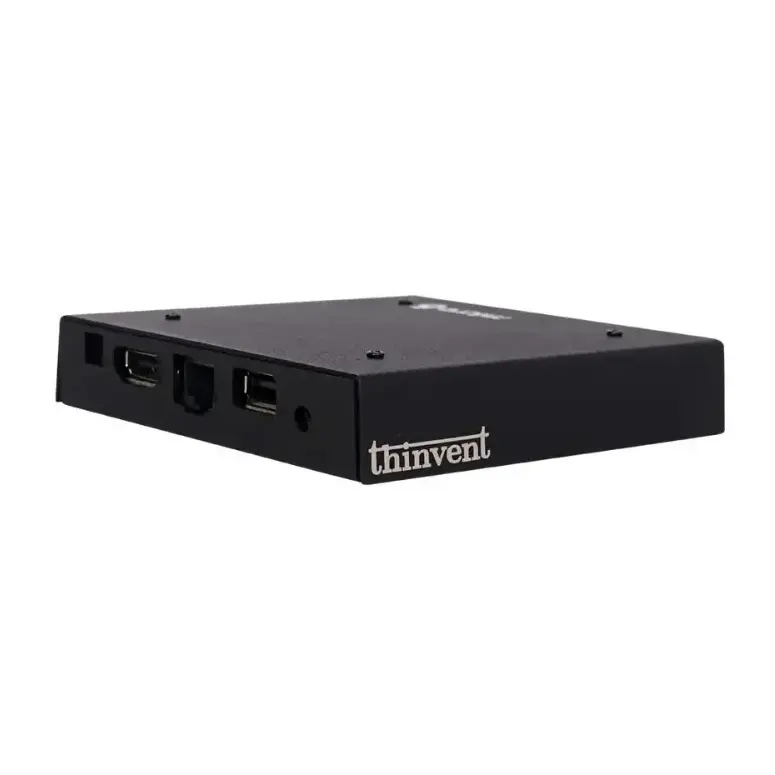
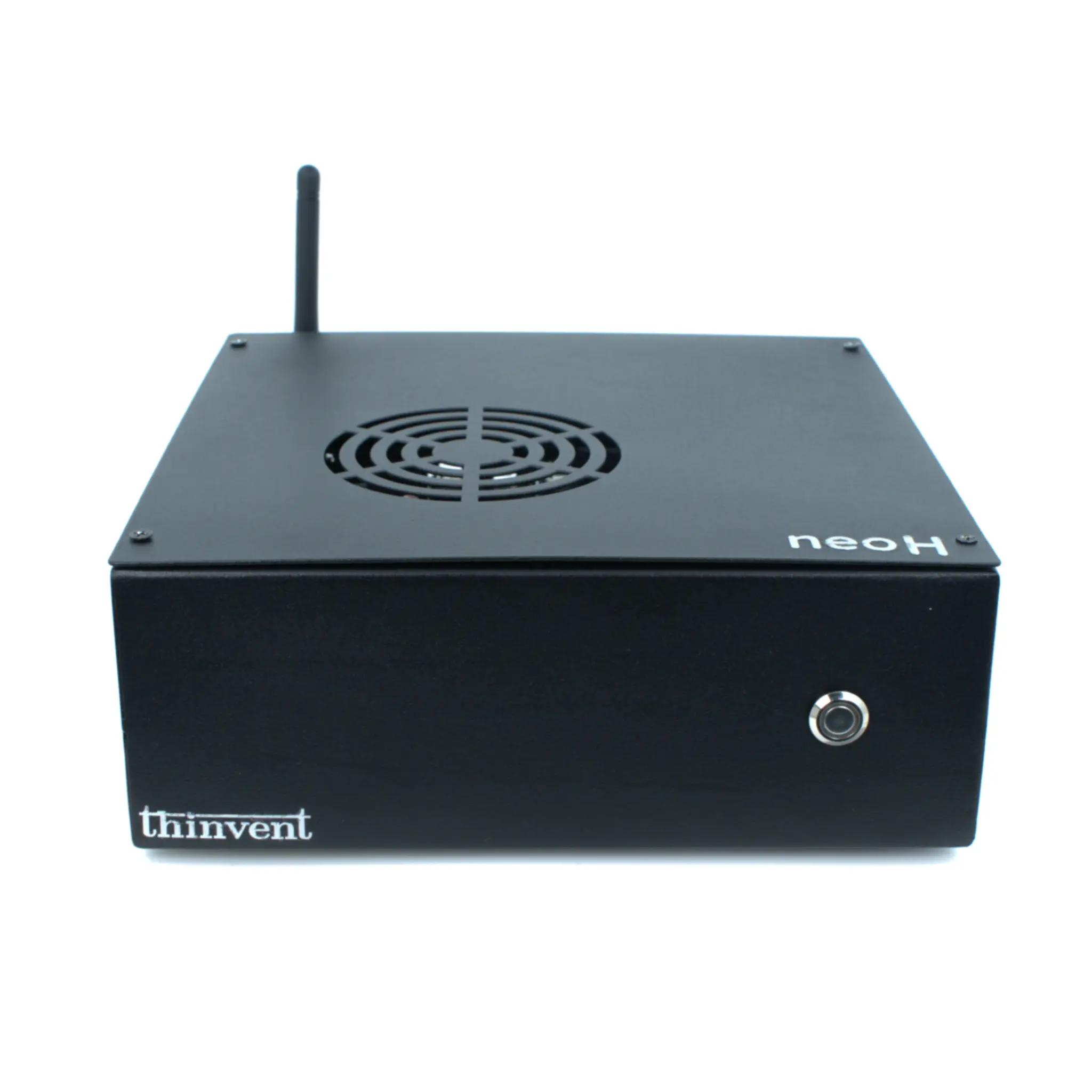
Thinvent offers a range of robust industrial computers and mini PCs perfectly suited for demanding CAD/CAM environments. Our systems prioritize reliability, powerful processing, and flexible configurations to match your specific workflow requirements.
For Maximum Performance: Our Industrial PC (IPC) series, featuring Intel Core i5 and i7 processors (12th/13th/14th Gen) with up to 12 cores, 64GB of RAM, and high-speed SSD storage, delivers the desktop-level power needed for the most complex simulations and assemblies. Their rugged, fanless designs make them ideal for direct integration into shop floors or labs.
For Space-Constrained Design Desks: The Aero Mini PC series packs high-core-count Intel processors (like the 10-core Core 5 120U) into a compact form factor. With up to 16GB RAM and 512GB SSDs, they offer a powerful, clutter-free workstation for 3D modeling and programming tasks.
For All-in-One Simplicity: The Uno All-in-One PC combines a vibrant 23.8" display with a powerful Intel Core i5-1335U processor and configurable up to 64GB of RAM. This integrated solution saves space while providing ample power for CAD work and dual-screen setups via additional video outputs.