What is a Computer for Home Use?
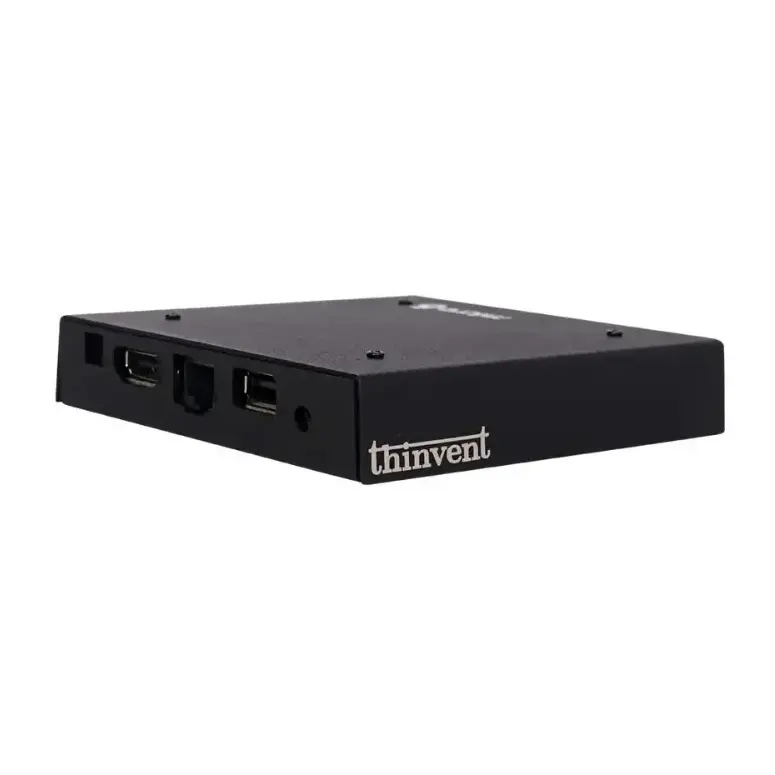
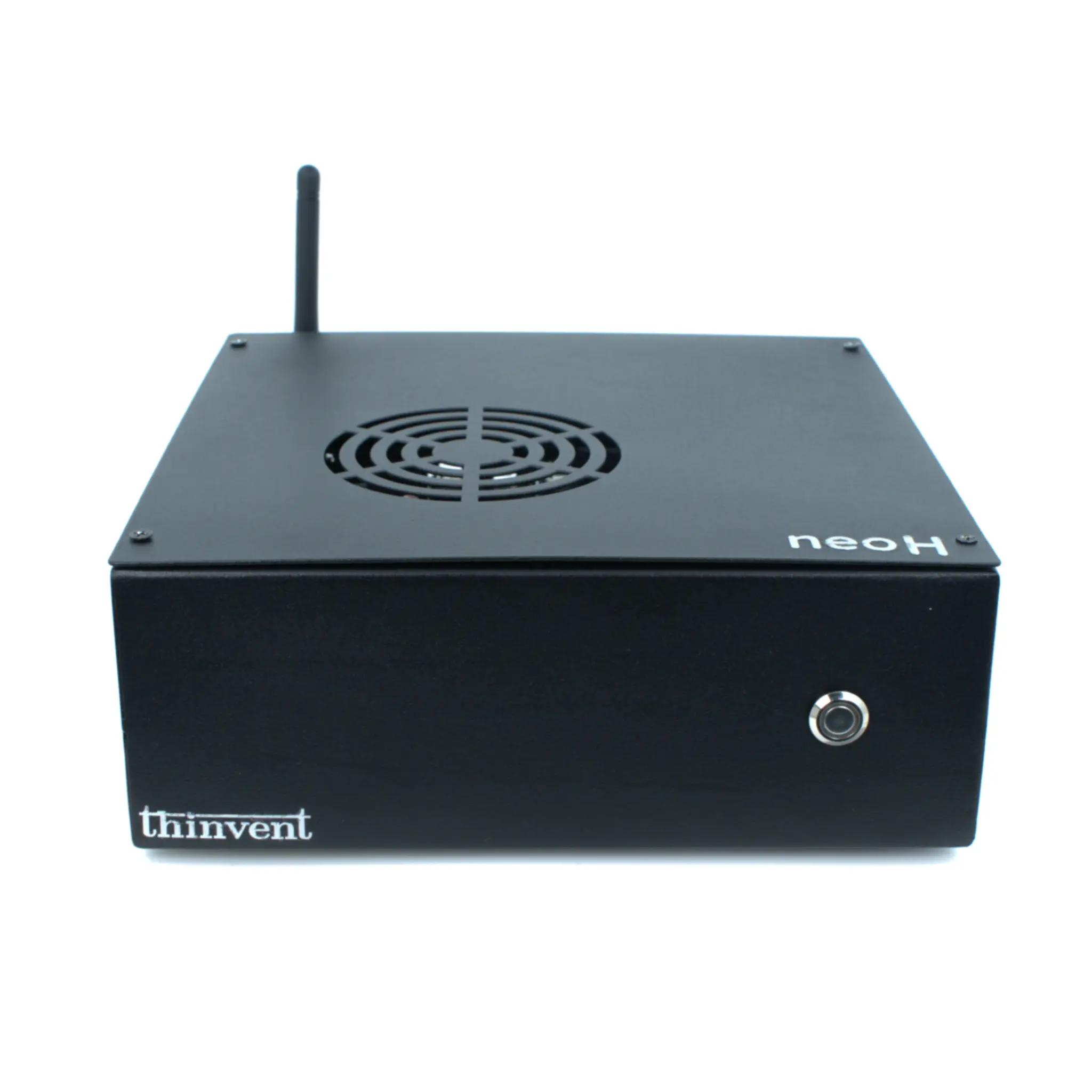
A computer for home use is a versatile personal computing device designed to handle everyday tasks in a residential setting. Unlike specialized industrial or gaming rigs, a home computer prioritizes a balance of performance, reliability, energy efficiency, and a compact, quiet form factor. Modern home computers are typically small form factor (SFF) or mini PCs, offering powerful processing in a space-saving design that fits seamlessly into living rooms, home offices, or entertainment centers.
Key Specifications for a Home Computer
For general home computing, key specifications focus on smooth multitasking, media consumption, and connectivity. A capable processor like an Intel N-series (e.g., N100) with 4 cores provides ample power for web browsing, office applications, and streaming. Memory (RAM) of 8GB to 16GB ensures responsive performance when running multiple applications. Storage typically starts at 128GB SSD for the operating system and essential programs, with 256GB or 512GB recommended for larger media libraries. Essential connectivity includes multiple USB ports (including USB 3.2 for fast data transfer), HDMI outputs for connecting monitors or TVs, and Gigabit Ethernet for stable networking. Many models also feature fanless cooling for silent operation.
Common Home Use Cases and Applications
Home computers serve a wide range of purposes. They are perfect as a family shared computer for homework, online banking, and video calls. As a home office workstation, they run productivity suites, email clients, and video conferencing software reliably. Their compact size makes them ideal media center PCs or HTPCs (Home Theater PCs), capable of streaming 4K content from services like Netflix or playing local media files. They can also function as light gaming machines for casual or browser-based games and serve as a central hub for smart home management or a secondary computer for children's educational software.
Choosing the Right Operating System
The choice of operating system (OS) depends on user preference and specific needs. Microsoft Windows 11 offers the broadest software compatibility and a familiar interface for most users. Ubuntu Linux is a popular, secure, and free open-source alternative, excellent for tech-savvy users or those prioritizing privacy. Some systems come Without OS or with FreeDOS, allowing users to install their preferred OS, which can be a cost-effective option.
Thinvent Home Computing Solutions
Thinvent offers a range of robust, fanless mini PCs perfectly suited for home environments. Our Aero Mini PC series, powered by efficient Intel processors like the N100, delivers reliable performance for everyday tasks in a silent, compact chassis. These systems come configured with ample RAM and fast SSD storage, and are available with your choice of operating system, including Windows 11 Pro, Ubuntu Linux, or a base configuration for custom OS installation. Built for 24/7 reliability and energy efficiency, Thinvent computers provide a durable, low-maintenance computing core for any modern home, from basic web browsing to managing a connected household.