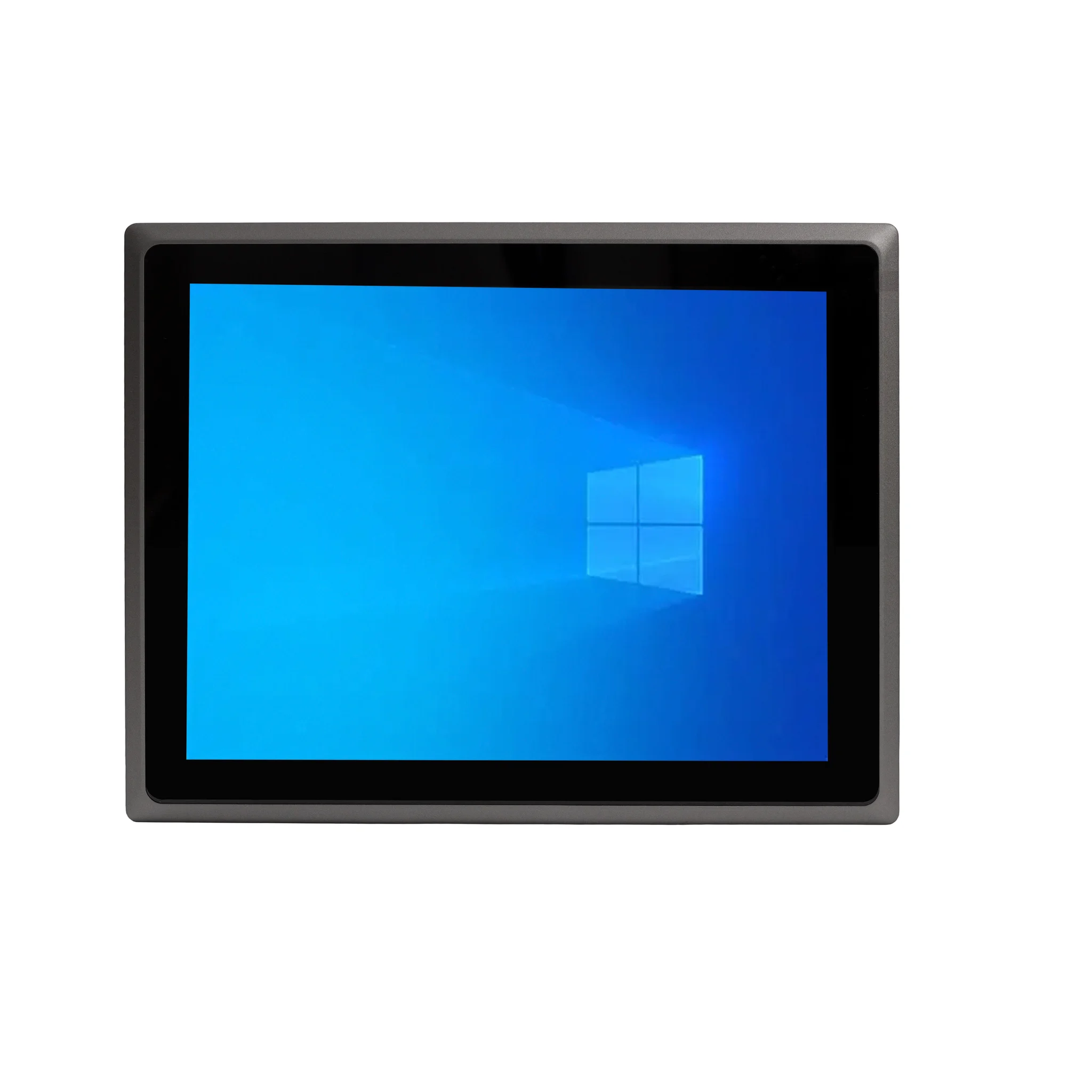
The HP desktop named in your query is a family of desktop PCs sold with several processors and configurations. The facts we could confirm describe one HP model: the HP 24-cr0271in All-in-One PC with an AMD Ryzen 5 7520U processor, 16 GB RAM, 512 GB SSD and Windows 11. Its maximum RAM is 16 GB and its maximum storage is 512 GB. The closest Thinvent alternative is the Thinvent Treo Mini PC with AMD Ryzen 5 7000 Series processors. It uses the same processor maker and family, and it supports up to 64 GB of RAM and 2 TB of storage.
HP Desktop vs Thinvent Treo Mini PC
| HP 24-cr0271in All-in-One PC | Thinvent Treo Mini PC, AMD Ryzen 5 7430U | Thinvent Treo Mini PC, AMD Ryzen 5 7530U | |
|---|---|---|---|
| Processor | AMD Ryzen 5 7520U | AMD Ryzen 5 7430U | AMD Ryzen 5 7530U |
| Cores/Threads | 4 cores / 8 threads | 6 cores | 6 cores |
| RAM | Up to 16 GB | Up to 64 GB | Up to 64 GB |
| Storage | Up to 512 GB | Up to 2 TB | Up to 2 TB |
| Form Factor | All-in-One, 23.8 inch | Mini PC | Mini PC |
| Operating System | Windows 11 | Windows 11 Pro (also Windows 11 IoT Value, Ubuntu Linux, Thinux Embedded Linux, Without OS, DOS) | Windows 11 Pro (also Windows 11 IoT Value, Ubuntu Linux, Thinux Embedded Linux, Without OS, DOS) |
| Warranty | 1 Year | Not confirmed | Not confirmed |
Key differences
-
The Thinvent Treo Mini PC supports up to 64 GB of RAM, four times the 16 GB maximum of the HP model.
-
The Thinvent Treo Mini PC supports up to 2 TB of SSD storage, against the 512 GB maximum of the HP model.
-
The Thinvent Treo Mini PC has six processor cores, against the four cores of the Ryzen 5 7520U.
-
The Thinvent Treo is a Mini PC with VESA mount support. The HP model is an All-in-One with an integrated 23.8-inch display, which the Treo does not have.
-
The Thinvent Treo Mini PC has a 1000 Mbps Ethernet port and a choice of Wi-Fi 5 dual-band or no Wi-Fi.
-
We could not confirm the HP 24-cr0271in's Ethernet port or its Wi-Fi options.
-
The HP model includes a display, which the Thinvent Treo does not.
Which one should you choose?
Choose the HP All-in-One if you want a desktop with a built-in 23.8-inch screen and Windows 11 in one unit. Choose the Thinvent Treo Mini PC if you need more memory, more storage, or a compact unit that mounts behind a monitor. It also gives you a choice of operating systems.