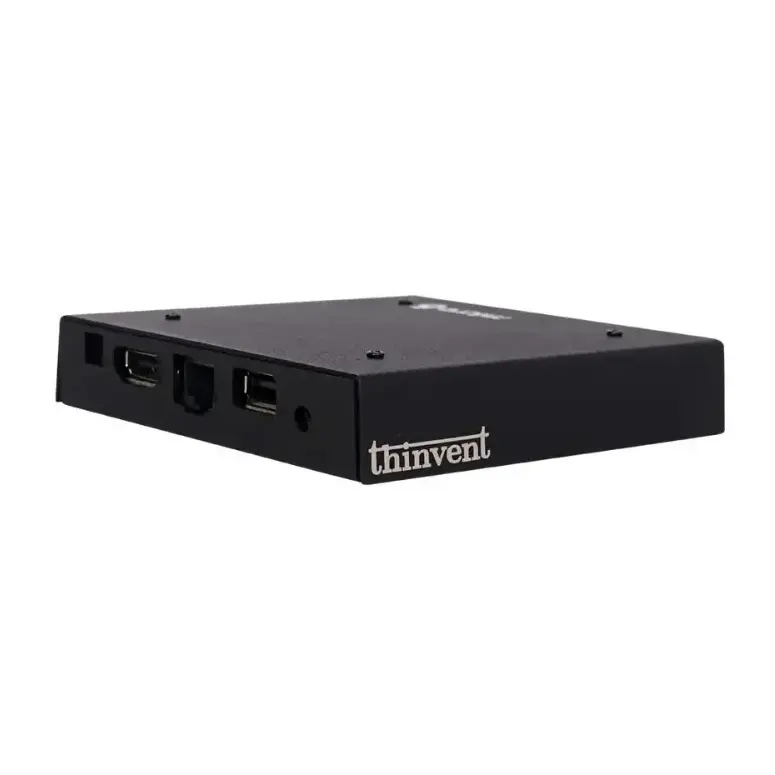
Understanding Computer Parts for Industrial Systems
A computer PC part refers to any individual hardware component that makes up an industrial computing system. Unlike consumer parts, industrial-grade components are engineered for reliability, longevity, and operation in demanding environments. Key parts include the Central Processing Unit (CPU), memory (RAM), storage (SSD), motherboard, power supply, and specialized cooling systems. Selecting the right combination of these parts is critical for building a system that meets specific performance, environmental, and operational life requirements.
Key Specifications and Technical Details
When selecting industrial computer parts, several core specifications define performance and suitability:
-
Processor (CPU): The brain of the system. Key factors include brand (Intel, ARM), series (Celeron, N-Series, Core i3/i5/i7), generation, core count, and clock speed. For example, a 12th Gen Intel N100 processor offers 4 cores and efficient performance for embedded applications.
-
Memory (RAM): Volatile storage for running applications. Industrial PCs typically use DDR4 or DDR5 memory in sizes from 4GB to 64GB. More RAM allows for smoother multitasking and handling of larger datasets.
-
Storage (SSD): Non-volatile storage for the operating system and data. Industrial SSDs are built for constant read/write cycles and often use SATA or NVMe interfaces, with capacities from 128GB to 2TB or more.
-
Form Factor & Cooling: Industrial parts are integrated into compact, robust enclosures like Mini PCs, Thin Clients, or All-in-Ones. Many utilize fanless, passive cooling designs with heat pipes or heatsinks to eliminate dust ingress and moving part failure, ensuring silent and maintenance-free operation.
Applications and Use Cases
The choice of computer parts directly impacts the system's application:
-
Digital Signage & Kiosks: Require reliable, always-on operation with sufficient graphics output (multiple HDMI ports) and compact form factors.
-
Factory Automation & IoT Gateways: Demand rugged, fanless designs with wide temperature tolerance and multiple connectivity options (Ethernet, USB).
-
Thin Client & VDI Solutions: Focus on power-efficient processors (like Intel N-Series) with adequate RAM and network connectivity for cloud-based workloads.
-
Edge Computing: Needs a balance of processing power (multi-core CPUs), memory, and storage to process data locally before sending it to the cloud.
Comparison of Common Industrial Processor Types
| Processor Series | Typical Cores | Ideal Use Case | Key Characteristics |
|---|---|---|---|
| Intel N-Series (e.g., N100) | 4 | Thin Clients, Basic Kiosks, IoT | Ultra-low power, fanless operation, cost-effective. |
| Intel Celeron | 2-4 | Digital Signage, Light Automation | Balanced performance and power efficiency for entry-level tasks. |
| Intel Core i3/i5 | 4-10 | Advanced Kiosks, Edge Computing, Automation | Higher performance for multitasking and more demanding applications. |
Thinvent Industrial Computers and Components
Thinvent specializes in pre-configured, reliable industrial computing systems that integrate these critical parts. Our product range includes compact Aero Mini PCs featuring efficient Intel processors like the N100, which are perfect for space-constrained, fanless applications. We offer configurations with various memory sizes (16GB DDR4), storage options (128GB SSD), and operating systems (Windows 11 IoT/Pro, Ubuntu Linux, or FreeDOS) to match your exact requirements. By sourcing and testing high-quality industrial-grade parts, Thinvent ensures each system delivers the durability and consistent performance needed for commercial and industrial deployments worldwide.