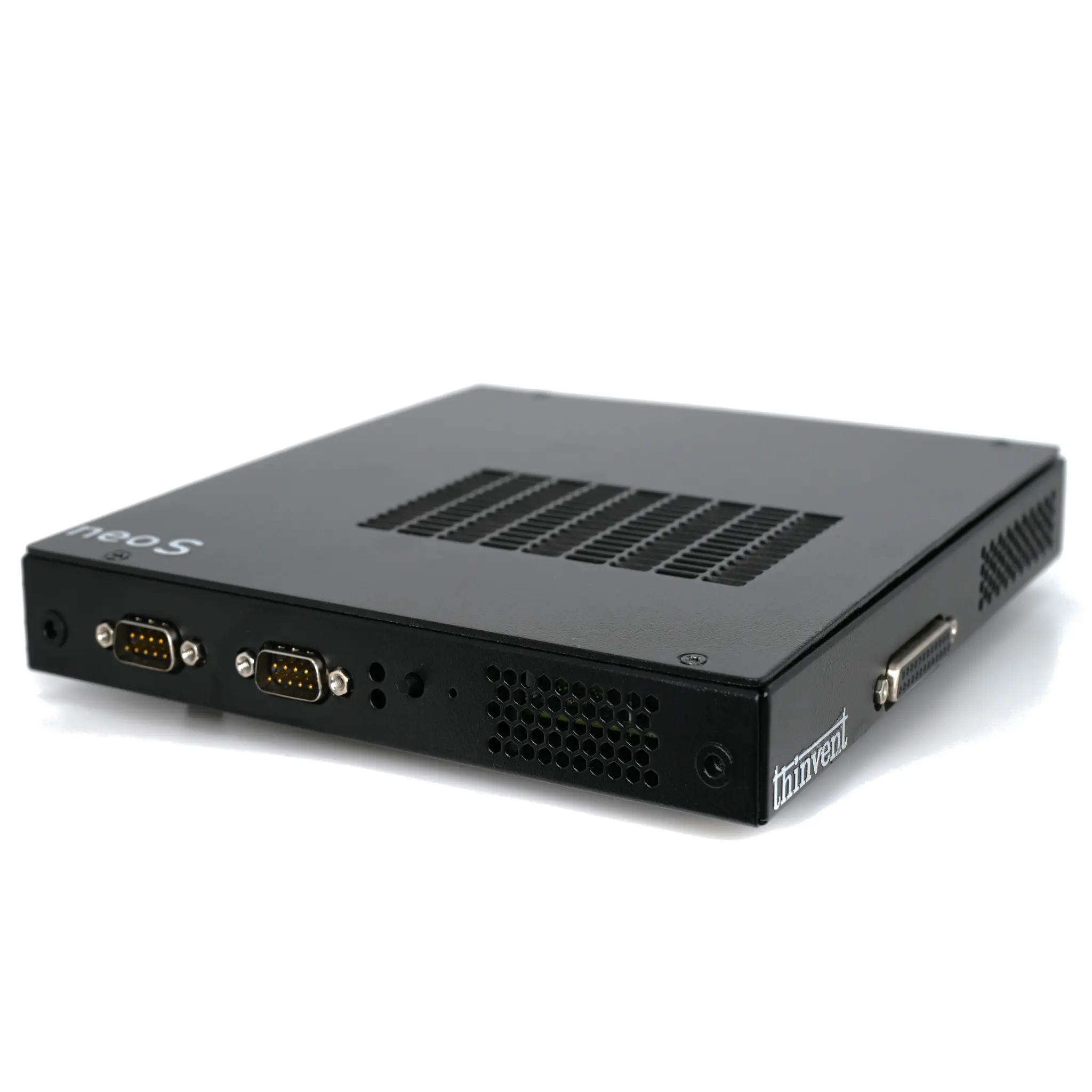
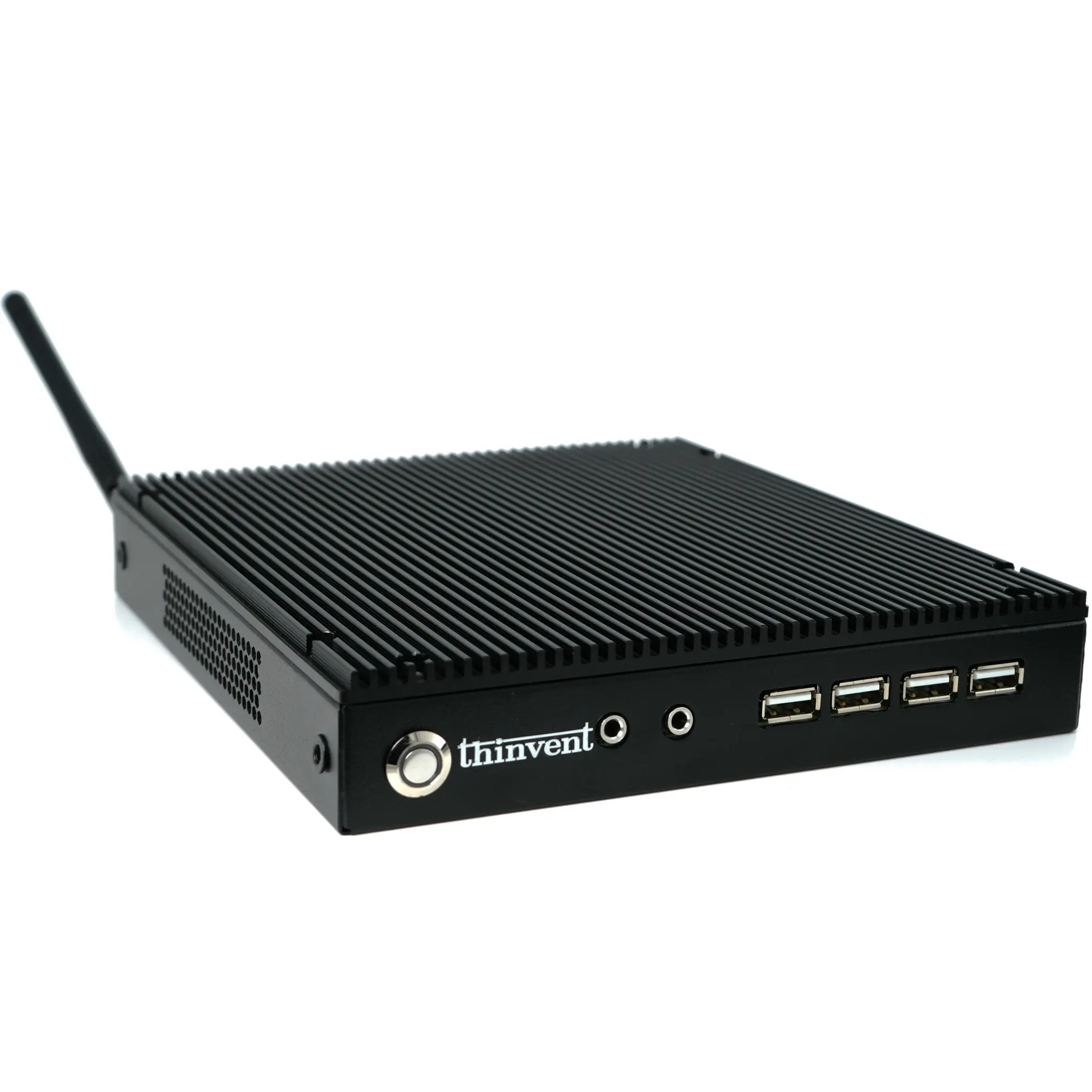
What Are Compact Mini PCs?
Compact Mini PCs are small-form-factor computers designed to deliver reliable computing power in a space-saving, energy-efficient package. They are ideal for environments where a traditional desktop tower is impractical, offering a full PC experience with minimal footprint. These systems typically feature modern processors, solid-state storage, and versatile connectivity, making them suitable for a wide range of professional and embedded applications.
Key Specifications and Technical Details
Modern compact Mini PCs, like those based on the Intel N100 processor, offer a balanced blend of performance and efficiency. Key specifications often include:
-
Processor: Energy-efficient Intel processors (e.g., N-series) with 4 cores, capable of handling everyday business and industrial tasks.
-
Memory: Configurations typically range from 8GB to 16GB of DDR4 RAM for smooth multitasking.
-
Storage: Fast SSD storage (e.g., 128GB or 256GB) ensures quick boot times and responsive application loading.
-
Form Factor: Ultra-compact designs, often fanless for silent, maintenance-free operation in dusty environments.
-
Connectivity: Standard features include Gigabit Ethernet, multiple USB ports (including USB 3.2), and HDMI outputs for dual-display setups.
-
Operating System: Support for various OS options, including Windows 11 Pro, Linux distributions like Ubuntu, and embedded operating systems for specialized use.
Use Cases and Applications
The versatility of compact Mini PCs makes them perfect for numerous scenarios:
-
Digital Signage & Kiosks: Powering interactive displays, menu boards, and information points in retail, hospitality, and public spaces.
-
Office Workstations: Providing a clutter-free desktop solution for general office productivity, web browsing, and communication software.
-
Light Industrial Automation: Acting as a control unit for manufacturing equipment, IoT gateways, or data acquisition systems due to their rugged, fanless designs.
-
Thin Client & VDI: Serving as an endpoint for virtual desktop infrastructure, centralizing management and security.
-
Home Entertainment: Functioning as a compact media center or home server.
Comparison of Common Mini PC Configurations
| Feature | Entry-Level (e.g., Intel N100) | Mid-Range (e.g., Intel i3) | Performance (e.g., Intel i5/i7) |
|---|---|---|---|
| Best For | Digital signage, basic office tasks, thin clients | General office work, multi-tasking, light design | Engineering software, data analysis, intensive multitasking |
| Typical Cores | 4 | 4-6 | 6-12+ |
| Power Consumption | Very Low | Low to Moderate | Moderate to High |
| Cooling | Often Fanless | Active or Fanless | Typically Active |
| Ideal Environment | Space-constrained, dusty, silent-required areas | Standard office | Workstations requiring high compute power |
Thinvent Compact Mini PC Solutions
Thinvent offers a robust range of compact Mini PCs engineered for reliability in commercial and industrial settings. Our Aero Mini PC series exemplifies this commitment, featuring efficient Intel N-series processors in a fanless, rugged chassis. These systems are built to operate 24/7 in challenging conditions, from retail floors to factory edges. With configurable memory, storage, and operating system options—including Windows 11 Pro, Ubuntu Linux, and our own Thinux™ Embedded Linux—Thinvent provides tailored computing solutions that balance performance, durability, and total cost of ownership for businesses worldwide.