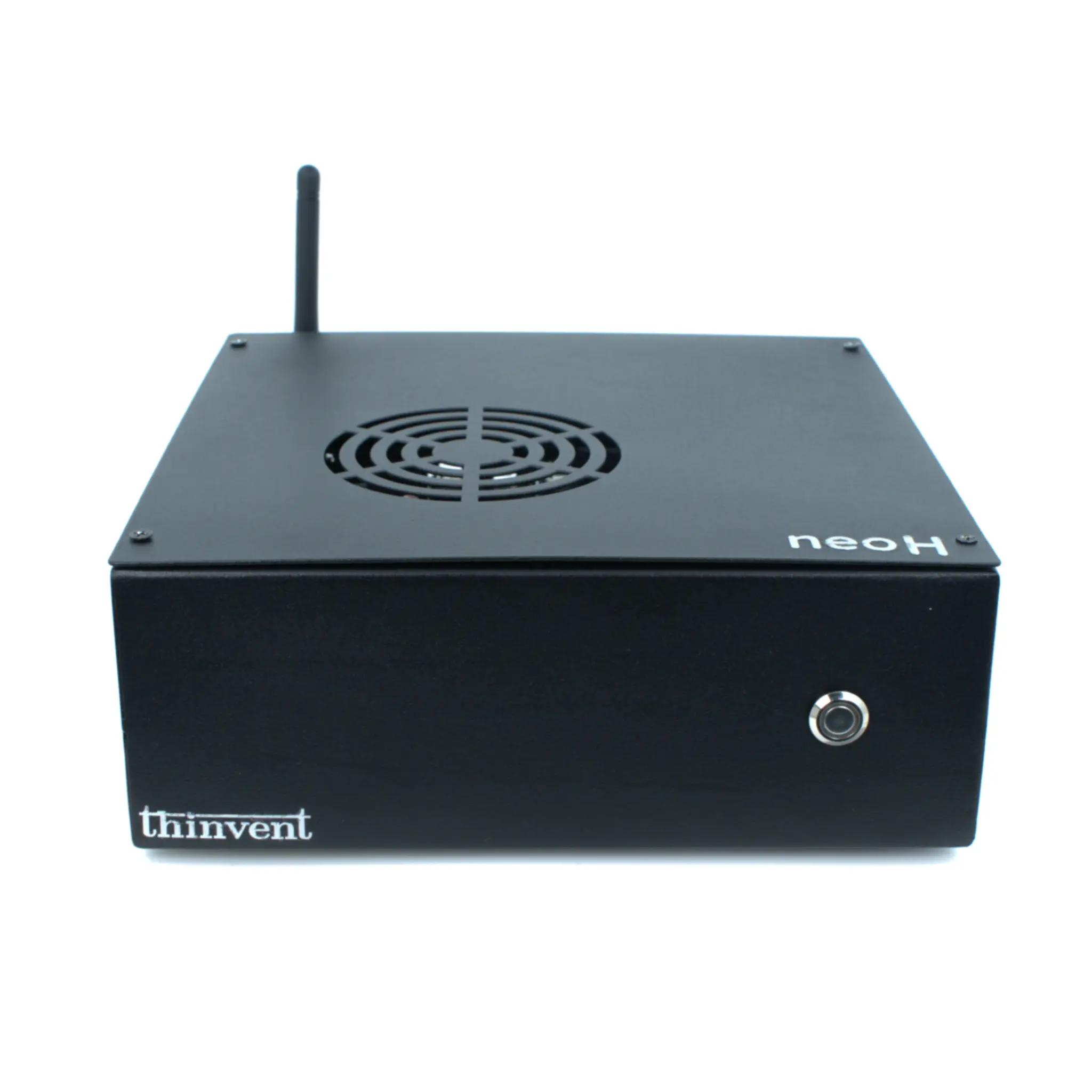
Industrial computer towers are specialized desktop PCs designed for reliability and durability in demanding, non-office environments. Unlike consumer towers, they are built with ruggedized components, fanless or enhanced cooling systems, and robust enclosures to withstand extreme temperatures, dust, vibration, and continuous 24/7 operation. These systems prioritize stability and long-term availability over raw consumer-grade performance, making them the backbone of critical industrial automation and control systems.
Key specifications for industrial towers include wide operating temperature ranges (often from -20°C to 70°C), shock and vibration resistance certifications, and extended product lifecycles. They typically feature industrial-grade motherboards, locked BOMs (Bill of Materials) for consistency, and support for legacy I/O ports alongside modern connectivity. Power supplies are designed for stable operation with fluctuating industrial power, and many models offer optional features like ignition power control for vehicular use or additional serial ports for PLC communication.
Primary Applications and Use Cases
These rugged computers are deployed across numerous sectors. In manufacturing, they serve as machine controllers, HMIs (Human-Machine Interfaces), and data acquisition stations on the factory floor. In transportation, they power digital signage, ticketing systems, and onboard computing in buses and trains. Other critical applications include outdoor kiosks, energy management in utilities, surveillance systems, and process control in oil & gas or water treatment plants, where environmental resilience is non-negotiable.
Thinvent's Rugged Industrial Computer Towers
Thinvent offers a range of industrial-grade computer towers engineered for challenging deployments. Our IPC series, such as the IPC5, features robust metal chassis, efficient thermal management, and support for a wide array of Intel processors from efficient N-series to high-performance Core i5 models. These systems are configurable with ample DDR4 RAM, SSD storage, and choice of operating systems including Windows IoT and Linux. Built for integration, they provide reliable computing power for automation, edge computing, and dedicated workstation roles where standard PCs would fail.