What is a Computing Processor?
A computing processor, or Central Processing Unit (CPU), is the primary electronic circuitry within a computer that executes instructions comprising a computer program. It performs the basic arithmetic, logic, controlling, and input/output (I/O) operations specified by the instructions. In industrial and embedded computing, the processor is the core component that determines the system's performance, power efficiency, thermal profile, and overall reliability for demanding applications.
Key Specifications and Technical Details
When selecting a processor for industrial applications, several key specifications are critical:
-
Architecture and Brand: Primarily Intel and ARM, with Intel dominating the x86 market for industrial PCs.
-
Series and Generation: This indicates the performance tier and technological advancement (e.g., Intel's N-Series for efficient computing, i-Series for higher performance, and the generation number like 12th or 13th).
-
Core Count: The number of independent processing units (e.g., 4, 6, 10 cores). More cores improve multitasking and parallel processing.
-
Clock Speed (Frequency): Measured in GHz, it indicates how many cycles a core can execute per second. Higher speeds often mean faster single-threaded performance.
-
Cache Memory: A small, fast memory pool (e.g., 6 MB) located on the processor die for rapid access to frequently used data.
-
Thermal Design Power (TDP): Crucial for fanless designs, this indicates the heat generated, which must be managed by the system's cooling solution.
Use Cases and Applications
The right computing processor enables a wide range of industrial and commercial applications:
-
Digital Signage & Kiosks: Efficient processors like the Intel N-Series provide smooth media playback in compact, fanless designs.
-
Industrial Automation & Control: Reliable processors power PLCs, HMIs, and machine vision systems on the factory floor.
-
Thin Clients & VDI: Low-power CPUs are ideal for accessing virtual desktops in office and call center environments.
-
Edge Computing & IoT Gateways: Processors balance performance and efficiency to process data locally at the network edge.
-
Transportation & In-Vehicle Computing: Ruggedized systems with robust processors manage infotainment, telematics, and fleet management.
Processor Series Comparison
| Series (Intel) | Typical Use Case | Core Count Range | Key Characteristics |
|---|---|---|---|
| N-Series (e.g., N100) | Value Efficiency, Fanless Systems | 4-8 | Ultra-low power, excellent performance-per-watt, ideal for basic computing and media. |
| Celeron | Entry-Level Industrial | 2-4 | Cost-effective, low power, suitable for simple control and display tasks. |
| Core i3 | Mainstream Performance | 4-10 | Balanced performance for multitasking, digital signage, and light automation. |
| Core i5/i7 | High Performance | 6-14 | Powerful cores for demanding applications like machine vision, data analysis, and complex automation. |
Thinvent Products Featuring Advanced Computing Processors
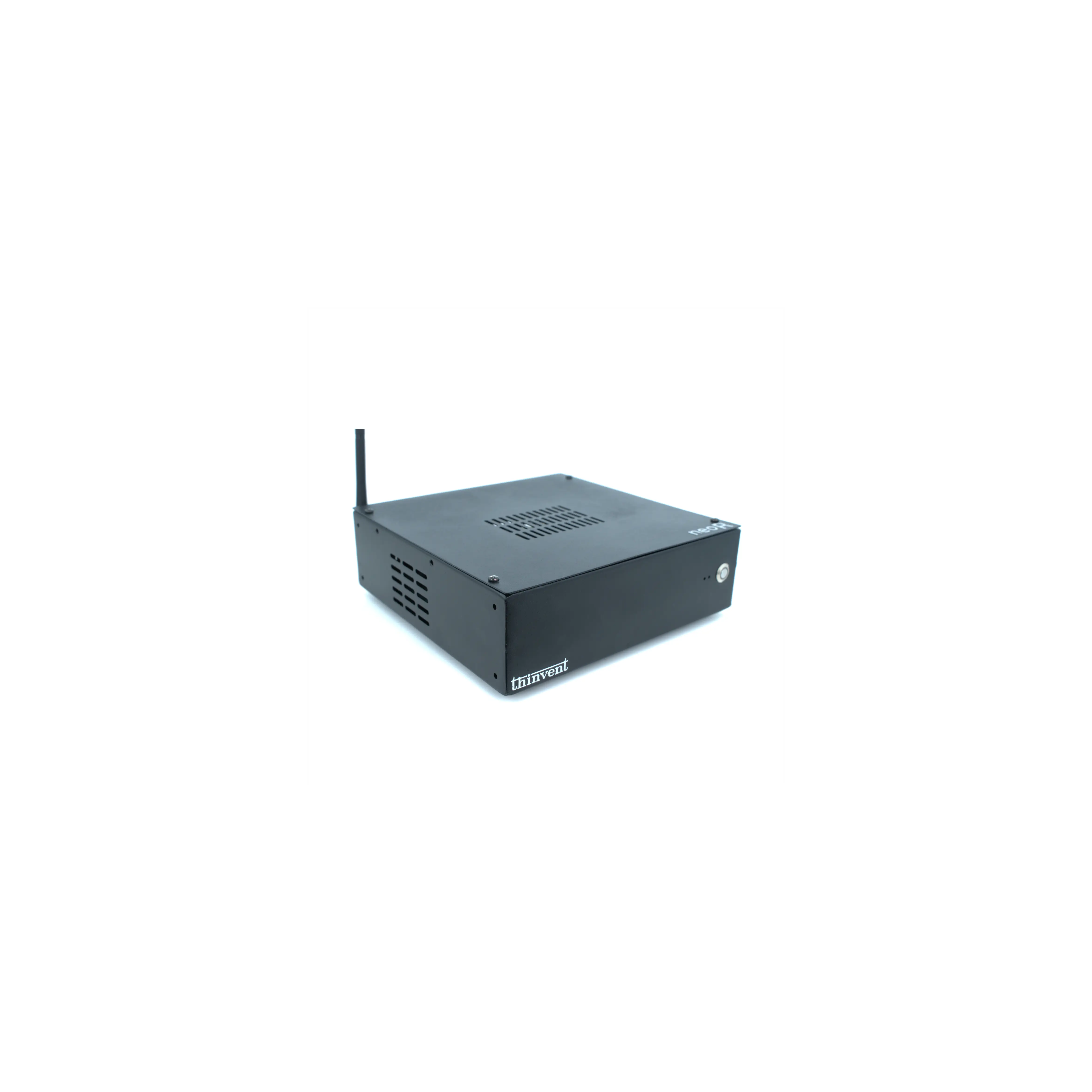
Thinvent integrates a wide spectrum of computing processors into robust industrial computer designs. Our product lines, including the Aero Mini PC, Neos Thin Client, and Rugged Industrial PCs, are built around processors selected for specific performance and environmental profiles. For example, our popular Aero Mini PC series utilizes the efficient Intel Processor N100, offering a perfect balance of capability and power efficiency for space-constrained, fanless applications. We offer configurations with various Intel processor series—from the economical N-Series to the high-performance Core i5 and i7—ensuring we have a solution tailored for tasks ranging from simple digital signage to complex edge analytics and industrial control. Each system is engineered for 24/7 reliability, supporting a global customer base across diverse industries.