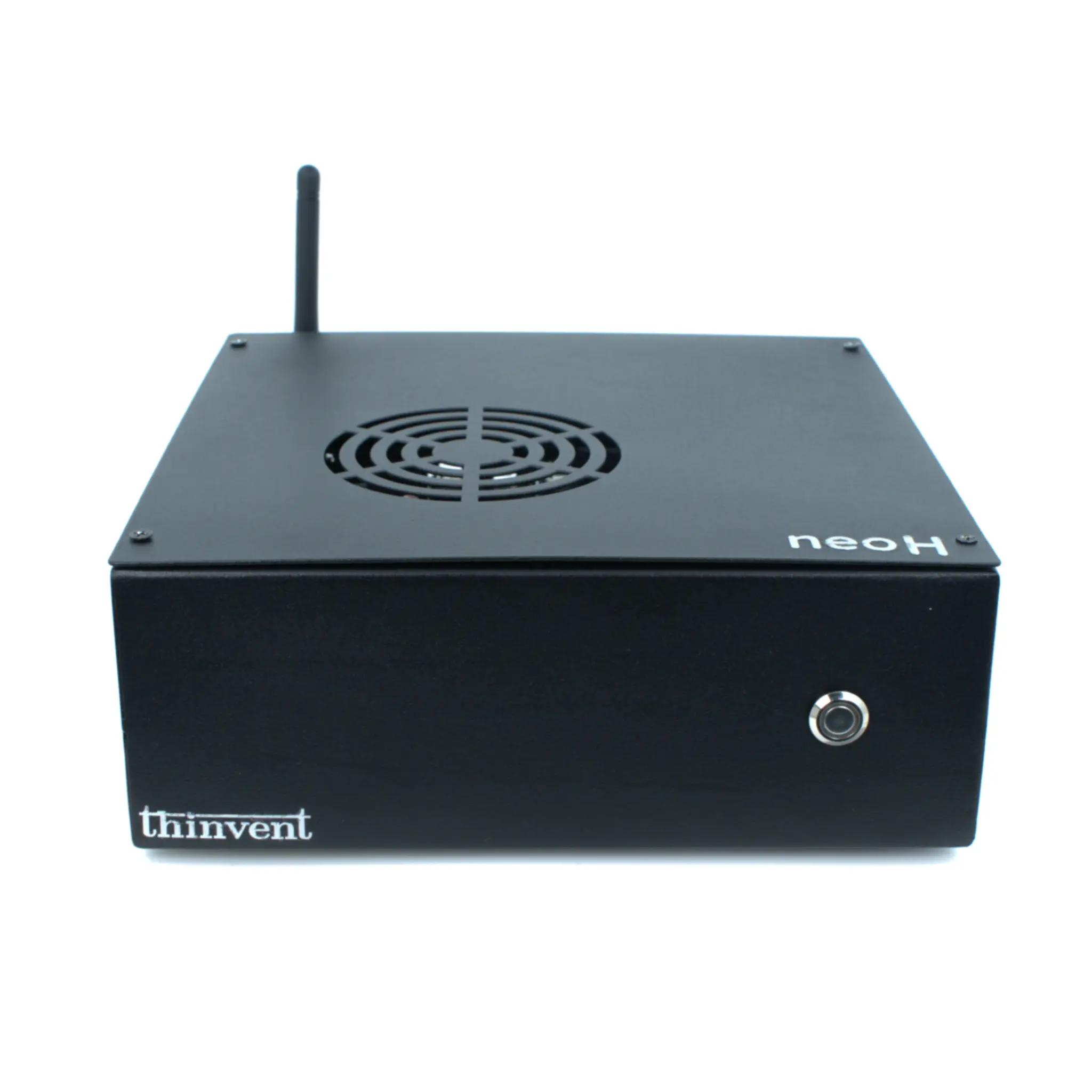
What Are Industrial Mini PCs?
Industrial Mini PCs are compact, robust computing systems designed for deployment in demanding environments where standard commercial PCs would fail. They are engineered for reliability, longevity, and stable operation in conditions involving extreme temperatures, dust, vibration, and continuous 24/7 operation. Unlike consumer-grade mini PCs, industrial models prioritize durability, extensive connectivity, and fanless cooling for silent, maintenance-free performance.
Key Specifications and Technical Details
These systems are defined by their rugged construction and specialized components. Key specifications typically include:
-
Form Factor: Ultra-compact designs, often fanless, with VESA mount or DIN-rail mounting options.
-
Processors: Utilize low-power, high-efficiency CPUs from Intel's Celeron, N-series, or Core i-series, balancing performance with minimal heat generation.
-
Memory & Storage: Configurations with soldered or socketed DDR4/DDR5 RAM and M.2 or 2.5" SATA SSDs for reliable data storage.
-
Operating Temperature: A wide range, commonly from -20°C to 70°C, ensuring functionality in harsh climates.
-
Connectivity: Rich I/O with multiple Gigabit Ethernet ports, USB 3.2/4.0, serial ports (COM), and dual/quad display outputs (HDMI, DisplayPort).
-
Power Supply: Wide-range DC input (e.g., 9-36V DC) for compatibility with industrial power systems and vehicles.
Common Use Cases and Applications
Industrial Mini PCs are versatile solutions for automation and digitalization across sectors:
-
Factory Automation: Acting as PLCs, HMIs, or edge gateways for machine control and data acquisition on the factory floor.
-
Digital Signage & Kiosks: Driving displays in retail, hospitality, and public transportation due to their small size and reliability.
-
Thin Clients & VDI: Providing secure, centralized desktop access in offices, call centers, and healthcare.
-
Transportation & Logistics: Used in fleet management, telematics, and onboard computing in vehicles, trains, and aircraft.
-
IoT Gateways: Aggregating and processing data from sensors and devices at the network edge.
Comparison: Industrial vs. Commercial Mini PCs
| Feature | Industrial Mini PC | Commercial/Consumer Mini PC |
|---|---|---|
| Build Quality | Rugged, metal chassis, often fanless | Plastic or light metal, often with cooling fans |
| Operating Temp | Wide range (e.g., -20°C to 70°C) | Narrow range (e.g., 0°C to 40°C) |
| Power Input | Wide-range DC (9-36V) | Standard AC adapter |
| Lifespan & Support | Long-term availability (5-7+ years) | Short product cycles (1-2 years) |
| I/O Ports | Industrial (COM, GPIO) & consumer ports | Standard consumer ports (USB, HDMI) |
| Vibration/Shock | Certified to withstand high levels | Not designed for significant vibration |
| Primary Use | 24/7 mission-critical applications | Office, home entertainment, general computing |
Thinvent's Range of Industrial Mini PCs
Thinvent specializes in high-performance, fanless industrial mini computers built for challenging deployments. Our product portfolio includes compact systems powered by the latest Intel processors, from efficient N-series chips for basic tasks to powerful Core i5 and i7 models for demanding edge computing. Every Thinvent mini PC is designed with robust metal housing, wide-temperature operation, and rich connectivity options, including dual LAN and multiple display outputs. They are ideal solutions for industrial automation, digital signage, thin client setups, and IoT gateway applications, offering the reliability and durability required for continuous operation worldwide.