A desktop computer's configuration is the sum of its core hardware choices — processor, memory, storage, graphics, motherboard, power and operating system — plus the physical form factor that houses them. In practice, most buyers configure a desktop by deciding on a few key components that determine performance, cost and longevity: the CPU, the amount of RAM, the type and capacity of storage, and the operating system. For industrial and commercial deployments, connectivity (serial ports, Ethernet, USB) and thermal design matter just as much as raw speed.
The Core Components of a Desktop Configuration
Processor (CPU): The CPU sets the performance ceiling. Modern Intel options range from efficient Celeron and N-series chips for light tasks, up to Core i3, i5 and i7 models for heavier workloads. The i3-1215U, for example, is a 12th-generation chip with 6 cores (2 performance + 4 efficient), a boost clock up to 4.4 GHz and 10 MB cache — a strong balance of responsiveness and low power draw for always-on systems.
Memory (RAM): RAM determines how many applications can run smoothly at once. 4–8 GB suits basic kiosk, POS and thin-client duties; 16 GB is a comfortable mainstream baseline; 32–64 GB is reserved for virtualisation, databases and multi-application industrial workloads.
Storage: SSDs are now standard. 128–256 GB covers OS and applications; 512 GB–1 TB suits local data, logs and imaging. SSD storage also improves shock resistance and boot speed compared with mechanical drives.
Operating System: Windows 11 Pro is common for business and industrial use, while Linux (Ubuntu, embedded distributions) and DOS/no-OS options suit OEMs who deploy their own software stack.
Connectivity and I/O: Ethernet (1000 Mbps), HDMI outputs, USB 3.2 Gen 2 and USB-C, plus legacy serial ports (DB9) for industrial equipment, are typical configuration choices.
Typical Desktop Configuration Tiers
| Tier | Processor | RAM | Storage | OS | Typical Use |
|---|---|---|---|---|---|
| Entry / Thin Client | Celeron, N-series | 4–8 GB | 128–256 GB | Linux, Windows 11 | Kiosks, POS, VDI, browsing |
| Mainstream Business | Core i3 (e.g. 1215U) | 16 GB | 512 GB–1 TB | Windows 11 Pro | Office, industrial control, edge |
| Performance | Core i5, 13th–14th gen | 32–64 GB | 1 TB+ | Windows 11 Pro, Linux | Virtualisation, analytics, CAD |
How to Choose a Configuration
Start with the software: check its recommended CPU, RAM and OS requirements, then add headroom. Consider the environment — a factory floor, warehouse or outdoor cabinet demands fanless cooling, wide-temperature tolerance and dust resistance, while an office desktop can use conventional airflow. Finally, plan for connectivity: count the serial, Ethernet, HDMI and USB devices you must attach, and confirm the chassis provides those ports natively rather than through adapters.
Thinvent Products Featuring These Configurations
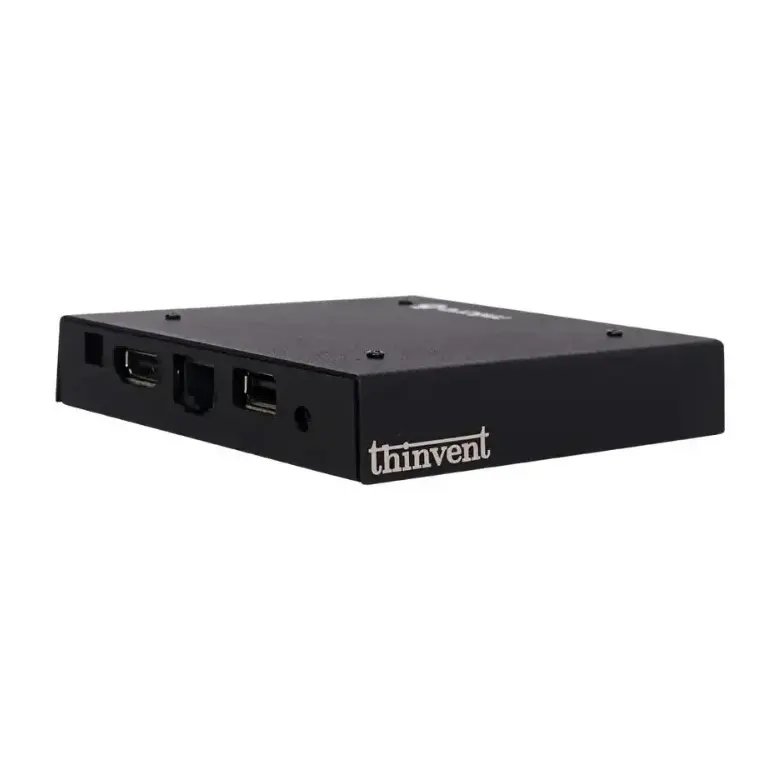
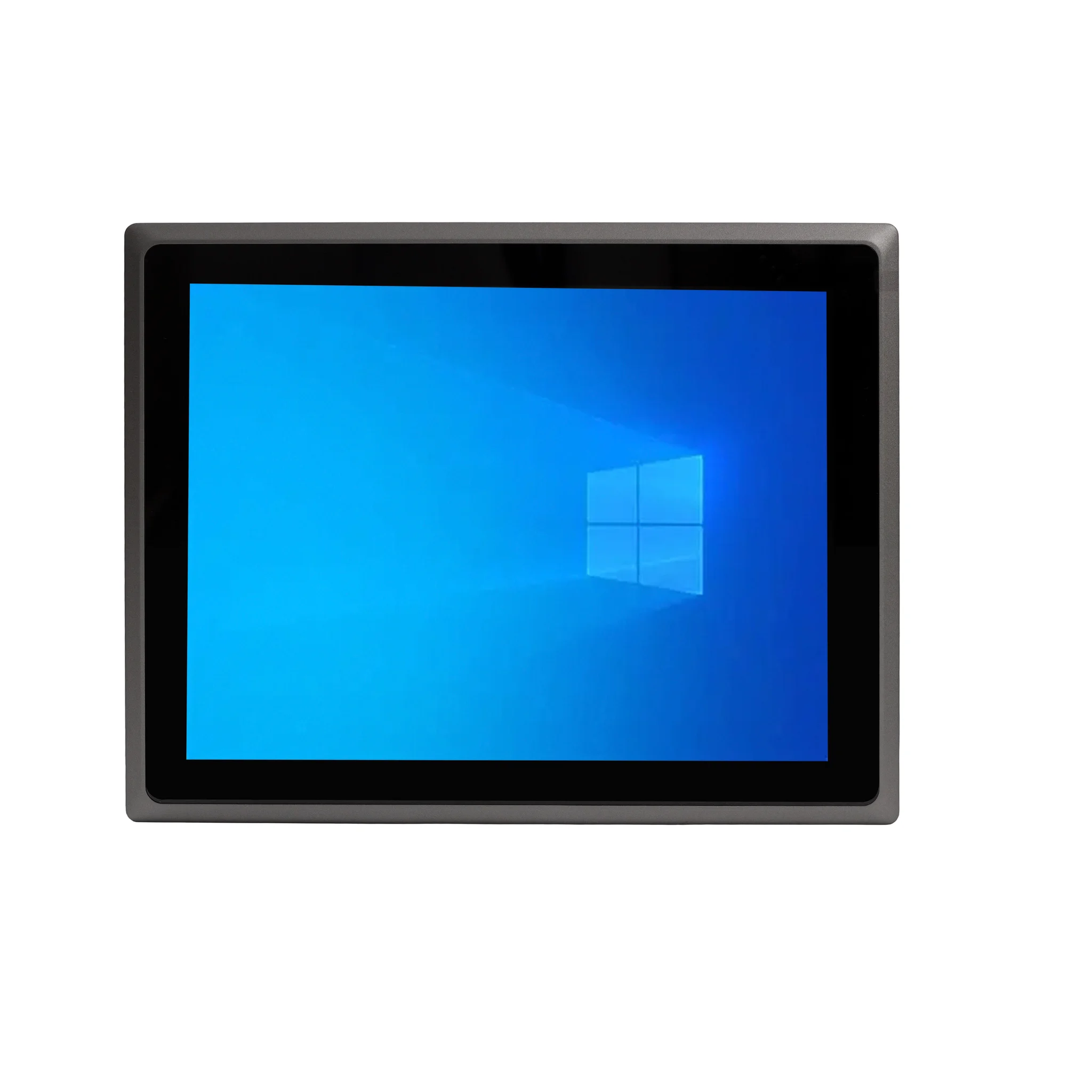
Thinvent manufactures industrial computers, mini PCs, thin clients and all-in-one PCs that let you specify exactly this kind of configuration. The IPC3 industrial PC, for instance, pairs an Intel Core i3-1215U (6 cores, up to 4.4 GHz, 10 MB cache) with 16 GB DDR4 RAM and 1 TB SSD, and is available with Windows 11 Pro, Windows 11 IoT, DOS, Thinux embedded Linux, or no OS — plus optional quad DB9 serial ports for industrial equipment. Across the range, Thinvent systems are built for fanless, reliable operation in demanding commercial and industrial environments.