What is a CPU and Why is it Important?
The Central Processing Unit (CPU) is the primary component of a computer responsible for executing instructions from software. It acts as the brain of the system, handling calculations, logic, and input/output operations. In industrial computing, the choice of CPU directly impacts system reliability, thermal performance, power efficiency, and overall capability for demanding applications. Modern industrial CPUs, like Intel's latest generations, are designed for fanless operation, extended temperature ranges, and long-term availability, making them ideal for embedded and edge computing solutions.
Key Specifications for Industrial CPUs
When selecting an industrial CPU, several technical specifications are critical:
-
Processor Brand and Series: Intel processors are dominant in industrial computing, with series like the energy-efficient Intel Processor N-series (e.g., N100) and the performance-oriented Core i-series (e.g., i3, i5).
-
Generation: Newer generations (e.g., 12th, 13th, 14th Gen) offer improved performance per watt, better integrated graphics, and enhanced security features.
-
Core Count: Ranging from 4 cores for basic tasks to 12+ cores for intensive workloads like AI inference or multi-display digital signage.
-
Thermal Design Power (TDP): Lower TDP CPUs (e.g., 6W-15W) enable fanless, silent designs crucial for dusty or vibration-prone environments.
-
Memory and Storage Support: Support for DDR4/DDR5 RAM and NVMe SSDs ensures fast data processing and system responsiveness.
Applications and Use Cases
Industrial-grade CPUs power a vast array of applications where reliability is non-negotiable:
-
Digital Signage & Kiosks: Driving multiple high-resolution displays in retail, hospitality, and public transport.
-
Factory Automation: Acting as controllers for PLCs, HMIs, and machine vision systems on the factory floor.
-
Thin Clients & VDI: Providing secure, centralized desktop access for enterprise and healthcare environments.
-
Edge Computing & IoT Gateways: Processing data locally from sensors and cameras in smart cities and logistics.
-
Embedded Systems: Used in transportation, medical devices, and defense where long-term stability is required.
Comparison of Common Industrial CPU Types
| Feature | Intel Processor N-Series (e.g., N100) | Intel Core i-Series (e.g., i3/i5) |
|---|---|---|
| Primary Use | Basic computing, thin clients, digital signage | Performance workstations, advanced automation, AI edge |
| Typical Core Count | 4-8 cores | 6-14+ cores |
| Power Efficiency | Very High (Ultra-low TDP) | High to Moderate |
| Graphics | Integrated Intel UHD Graphics | Integrated Intel Iris® Xe Graphics (more powerful) |
| Ideal For | Fanless, compact designs, 24/7 operation | Tasks requiring higher CPU/GPU performance |
Thinvent Products Featuring Industrial CPUs
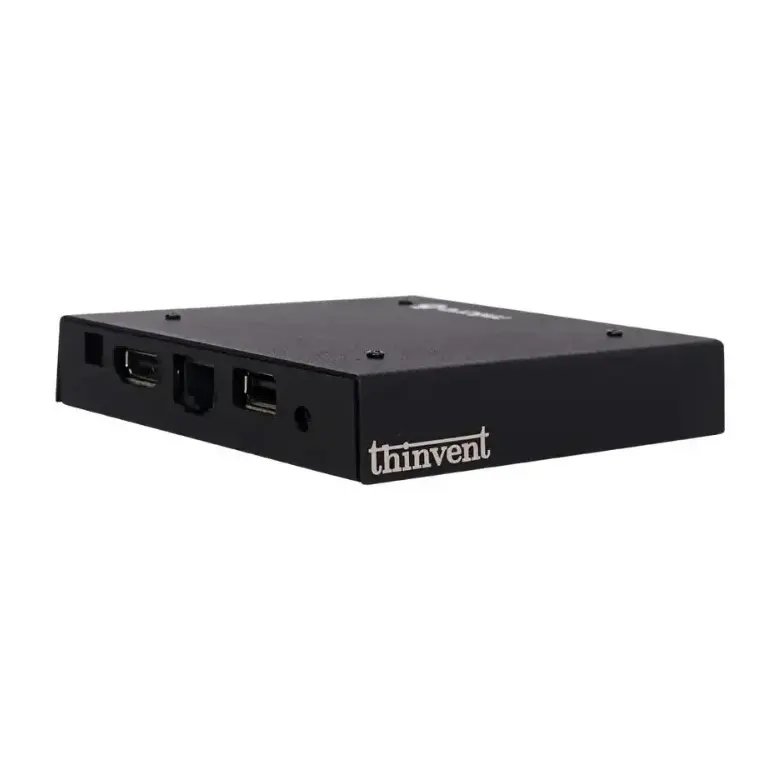
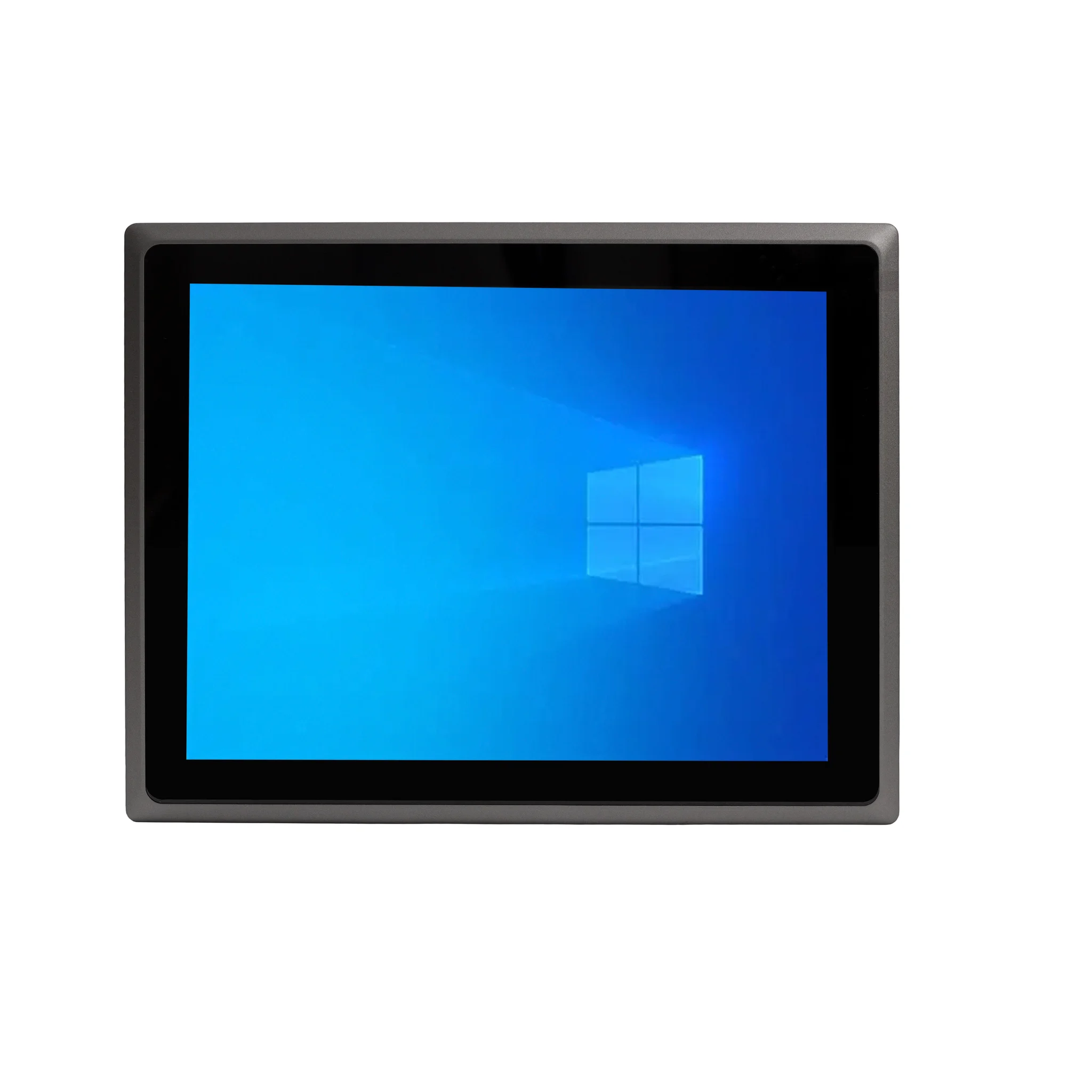
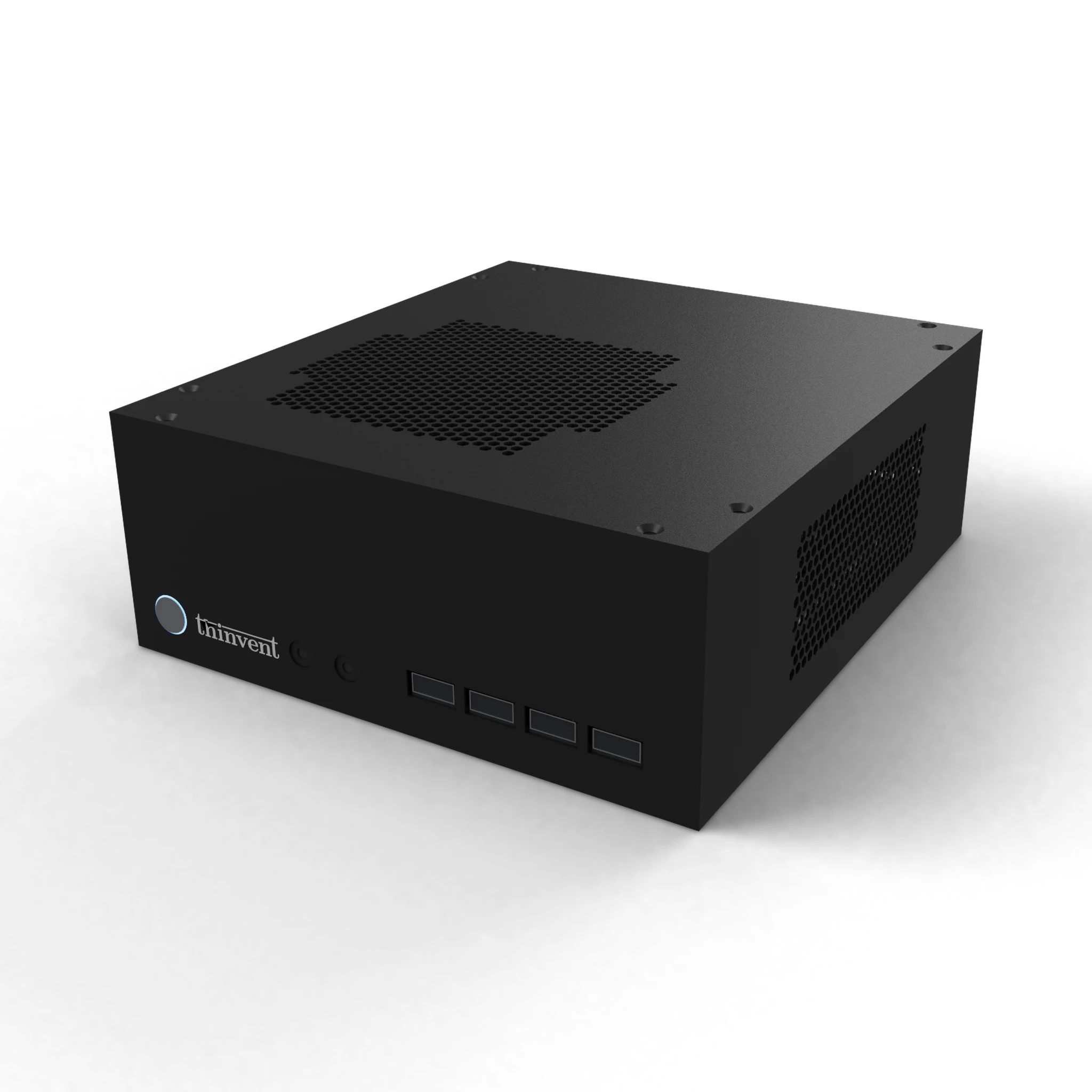
Thinvent's product portfolio is built around robust, industrial-grade CPUs to meet diverse global demands. Our Aero Mini PC series, for example, utilizes the efficient Intel Processor N100, offering a balance of performance and ultra-low power consumption in a fanless chassis. For more demanding applications, our industrial PCs and workstations are equipped with the latest Intel Core i3, i5, and i7 processors from the 12th and 13th generations. All Thinvent systems are engineered for durability, featuring wide temperature tolerance, shock and vibration resistance, and long-term component availability, ensuring your investment is protected for years of reliable service in any environment.