What Does "CPU Better" Mean for Industrial Computing?
The query "CPU Better" typically refers to seeking industrial computers equipped with more powerful, efficient, or newer generation processors. A "better" CPU directly translates to improved computational performance, energy efficiency, thermal management, and support for modern applications. For industrial environments, this means systems that can handle demanding tasks like real-time data processing, machine vision, and complex automation without compromising reliability.
Key Specifications for a Superior Industrial CPU
When evaluating a better CPU, several technical specifications are critical. These include the processor's core count, clock speed (both base and turbo frequencies), cache size, manufacturing process (e.g., Intel 7), and thermal design power (TDP). Higher core counts (e.g., 6, 10, or 12 cores) enable better multitasking and parallel processing. Newer processor generations, such as Intel's 12th, 13th, or 14th Gen, offer significant architectural improvements over older ones, resulting in better performance per watt, integrated graphics capabilities, and support for faster memory and I/O standards like PCIe 5.0.
Applications for High-Performance Industrial CPUs
Industrial computers with superior CPUs are essential for applications where processing power is a bottleneck. This includes:
-
Digital Signage & Kiosks: Driving multiple high-resolution displays with dynamic content.
-
Factory Automation & Control: Executing complex PLC logic and real-time monitoring.
-
Machine Vision & AI: Running inference models for quality inspection and robotic guidance.
-
Edge Computing Gateways: Aggregating and processing data from numerous IoT sensors before sending it to the cloud.
-
Medical Imaging & Diagnostics: Processing large datasets from imaging equipment quickly and accurately.
Comparing Processor Tiers for Industrial Use
The right CPU depends on the specific workload. Below is a comparison of common Intel processor series found in industrial PCs:
| Processor Series | Typical Cores | Ideal Use Case | Key Strengths |
|---|---|---|---|
| Intel® Processor N Series (e.g., N100) | 4 | Lightweight HMI, Thin Clients, Basic Gateways | Ultra-low power, fanless design, cost-effective. |
| Intel® Core™ i3 | 2-10 | General-purpose Industrial PCs, Digital Signage | Balanced performance for everyday computing tasks. |
| Intel® Core™ i5 | 6-14 | Advanced Automation, Multi-display Kiosks, Edge Servers | Strong multi-core performance for demanding applications. |
| Intel® Core™ i7/i9 | 10-24 | High-performance Workstations, AI Inference, Simulation | Maximum computational power for the most intensive tasks. |
Thinvent's Range of High-Performance Industrial Computers
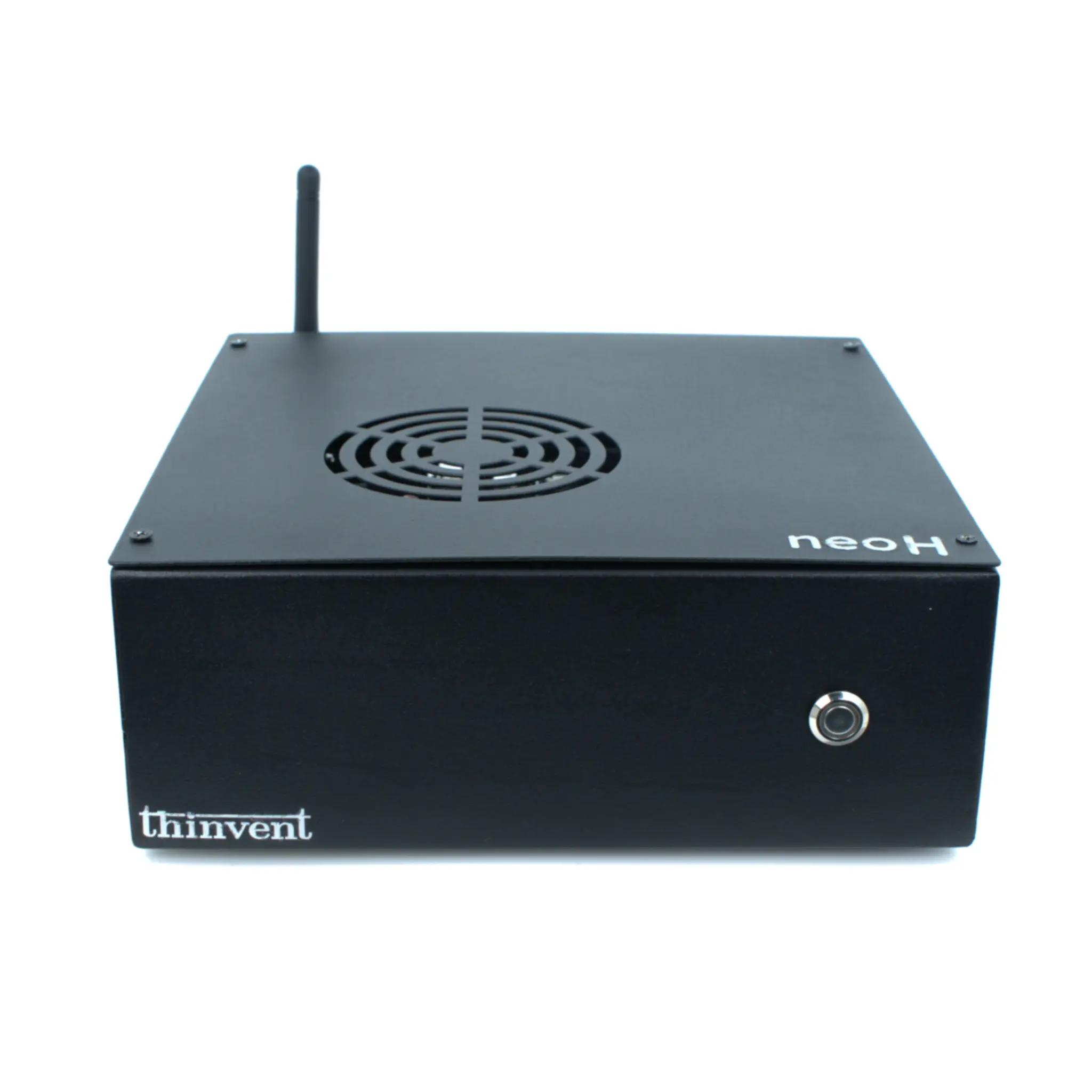
Thinvent offers a comprehensive portfolio of industrial computing solutions powered by advanced CPUs to meet diverse global demands. Our product lines include compact Mini PCs and robust Industrial PCs featuring the latest Intel processors from the efficient N-series up to powerful Core i5 and i7 models. These systems are engineered for reliability with fanless cooling, wide operating temperature ranges, and rich I/O connectivity, making them suitable for harsh environments. Whether you need a low-power node for a simple control task or a high-performance workstation for data analysis, Thinvent provides scalable, durable computing hardware built for 24/7 operation.