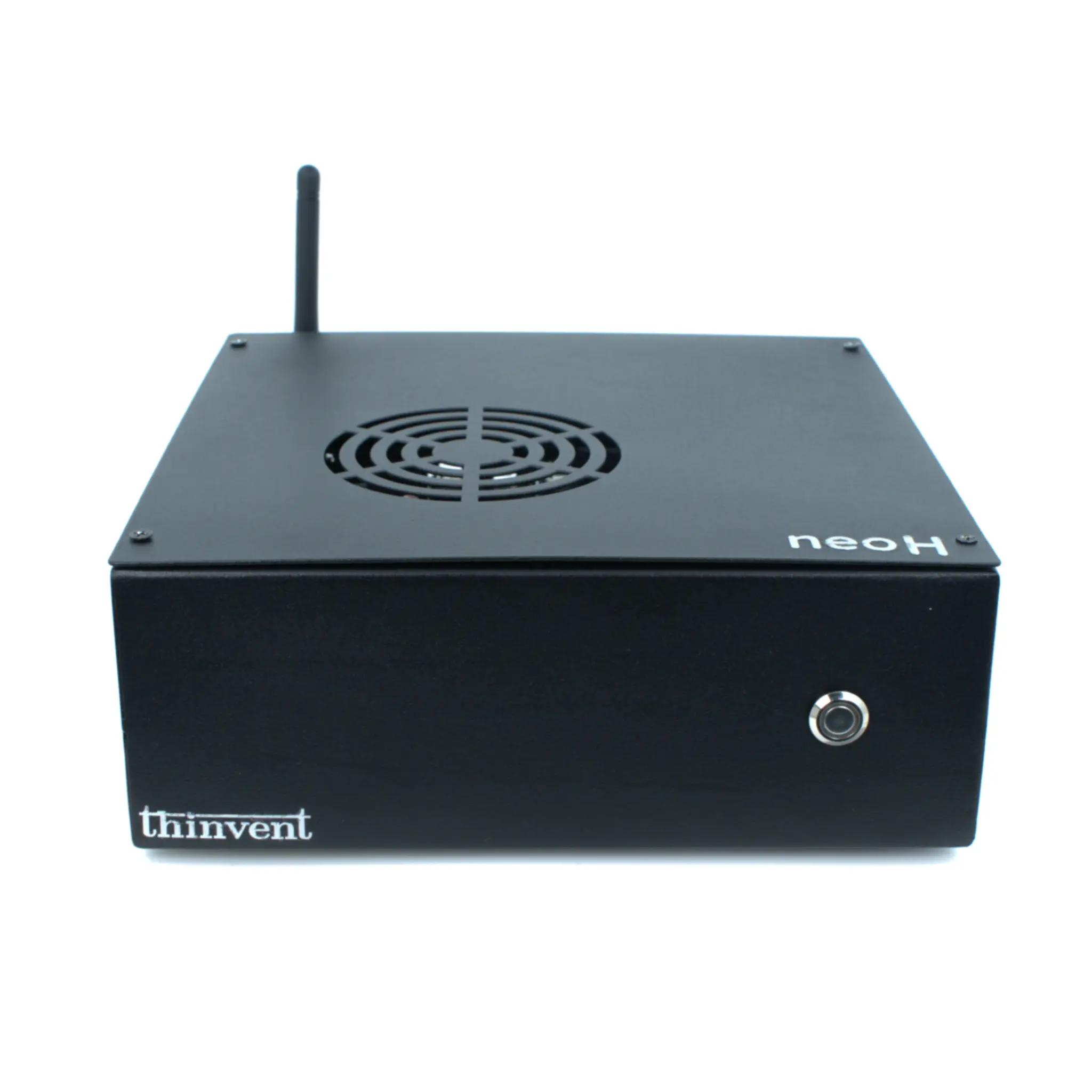
What is a CPU Desktop Computer?
A CPU desktop computer, often referred to as a desktop PC or workstation, is a personal computer designed for regular use at a single location. Unlike laptops, they typically consist of separate components like a system unit (housing the CPU, memory, and storage), a monitor, and input devices. In an industrial context, these systems are engineered for reliability, durability, and consistent performance in demanding environments, often featuring fanless cooling, wide operating temperature ranges, and robust connectivity.
Key Specifications and Technical Details
Modern industrial desktop computers are defined by their core components. The Central Processing Unit (CPU) is the primary determinant of performance, with options ranging from efficient Intel N-series processors for basic tasks to powerful Intel Core i5 and i7 chips for intensive applications. Key specifications to consider include:
-
Processor Cores & Threads: Determines multitasking capability and parallel processing power.
-
Clock Speed (GHz): Affects the speed of individual task execution.
-
Memory (RAM): Essential for running multiple applications smoothly; industrial PCs often support 8GB to 64GB.
-
Storage: Solid State Drives (SSDs) offer fast boot times and data access, with capacities from 128GB to 1TB+.
-
Form Factor: Includes traditional towers, compact Mini PCs, space-saving All-in-Ones, and specialized Industrial PCs.
-
Operating System: Options include Windows 11 Pro/IoT, Linux distributions like Ubuntu, or a bare-bones system (FreeDOS/No OS) for custom software deployment.
Common Use Cases and Applications
Industrial CPU desktops are versatile and deployed across numerous sectors due to their stability and customization options.
-
Digital Signage & Kiosks: Powering interactive displays in retail, hospitality, and public spaces.
-
Factory Automation: Acting as control units for PLCs, HMIs, and monitoring assembly lines.
-
Thin Client & VDI: Serving as endpoints for virtual desktop infrastructure in offices and call centers.
-
Edge Computing: Processing data locally in IoT networks for smart cities, agriculture, and logistics.
-
Healthcare & Laboratory: Running diagnostic equipment and patient management systems where reliability is critical.
Comparison of Common Desktop Form Factors
| Form Factor | Typical CPU Power | Key Advantages | Ideal For |
|---|---|---|---|
| Mini PC | Low to Mid (e.g., Intel N100, i3) | Ultra-compact, fanless, low power consumption, easy to mount. | Digital signage, space-constrained offices, thin clients, light edge computing. |
| Industrial PC | Mid to High (e.g., Intel i5, i7) | Ruggedized, wide temperature tolerance, multiple expansion slots (PCIe). | Factory floors, harsh environments, machine vision, data acquisition. |
| All-in-One | Low to Mid (e.g., Intel N-series, Celeron) | Integrated display reduces clutter, clean installation. | Reception desks, point-of-sale, clinic workstations, control rooms. |
| Traditional Desktop | Full Range | Maximum customization, upgradeability, and high-performance components. | Engineering workstations, server applications, development, and testing. |
Thinvent's Range of CPU Desktop Solutions
Thinvent offers a comprehensive portfolio of industrial-grade desktop computers built for 24/7 operation. Our product lines include the compact and fanless Aero Mini PC series, perfect for embedded and edge applications, as well as more powerful systems designed for complex computational tasks. Every Thinvent desktop is tested for durability and comes with flexible configuration options for memory, storage, and operating systems to match your specific project requirements, ensuring optimal performance and long-term value for global industrial deployments.