What Are High-End CPU Industrial Computers?
High-end CPU industrial computers are specialized computing systems designed for demanding applications that require maximum processing power, reliability, and durability. Unlike standard consumer PCs, these systems are built with industrial-grade components, often featuring fanless cooling for silent and maintenance-free operation in harsh environments. They are engineered to handle intensive workloads such as real-time data processing, complex simulations, AI inference, and high-resolution video analytics.
Key Specifications and Technical Details
The performance of a high-end industrial computer is primarily defined by its central processing unit (CPU). Key specifications to consider include:
-
Processor Series and Generation: Modern high-end systems typically feature Intel Core i5, i7, or i9 processors from the latest generations (e.g., 13th or 14th Gen). These offer superior performance over entry-level Celeron or Pentium series chips.
-
Core and Thread Count: High-performance CPUs have a higher number of physical cores (e.g., 10, 12, 14, or more) and threads, enabling efficient parallel processing for multitasking and complex computations.
-
Clock Speed and Turbo Boost: Base clock speeds of 2.5 GHz and above, with turbo boost capabilities reaching 4.5 GHz or higher, ensure fast single-threaded performance.
-
Thermal Design Power (TDP): High-performance CPUs have higher TDPs (e.g., 45W to 65W), requiring robust thermal solutions, which industrial PCs provide through advanced heat dissipation designs.
-
Supporting Hardware: These CPUs are paired with ample, fast DDR4 or DDR5 RAM (32GB, 64GB, or more), high-speed NVMe SSD storage (512GB, 1TB, or larger), and multiple high-bandwidth connectivity ports (USB 3.2 Gen 2, Thunderbolt, 2.5GbE LAN).
Applications and Use Cases
High-end CPU industrial computers are critical for applications where processing speed and computational power are non-negotiable.
-
Industrial Automation & Control: Running complex PLCs, SCADA systems, and robotic control software.
-
Machine Vision & AI: Powering real-time image processing, defect detection, and deep learning inference at the edge.
-
Digital Signage & Broadcasting: Driving multiple 4K/8K displays or processing high-resolution video streams.
-
Research & Simulation: Performing scientific computing, financial modeling, and engineering simulations.
-
Network Security Appliances: Acting as high-throughput firewalls, VPN gateways, and network monitoring systems.
Comparison of CPU Tiers for Industrial Applications
| Feature | Entry-Level (e.g., Intel N-Series) | Mid-Range (e.g., Intel Core i3/i5) | High-End (e.g., Intel Core i7/i9) |
|---|---|---|---|
| Typical Cores/Threads | 4 Cores / 4 Threads | 6-10 Cores / 8-12 Threads | 10-24+ Cores / 16-32+ Threads |
| Base Clock Speed | ~1.8 GHz | ~2.5 GHz | ~3.0 GHz+ |
| Turbo Frequency | Up to ~3.4 GHz | Up to ~4.5 GHz | Up to ~5.5 GHz+ |
| Cache | 6 MB | 12-20 MB | 24-36 MB+ |
| Ideal For | Digital signage, thin clients, basic IoT gateways | Edge computing, multi-display setups, moderate automation | AI/ML, intensive data analytics, simulation, high-end control |
Thinvent's High-Performance Computing Solutions
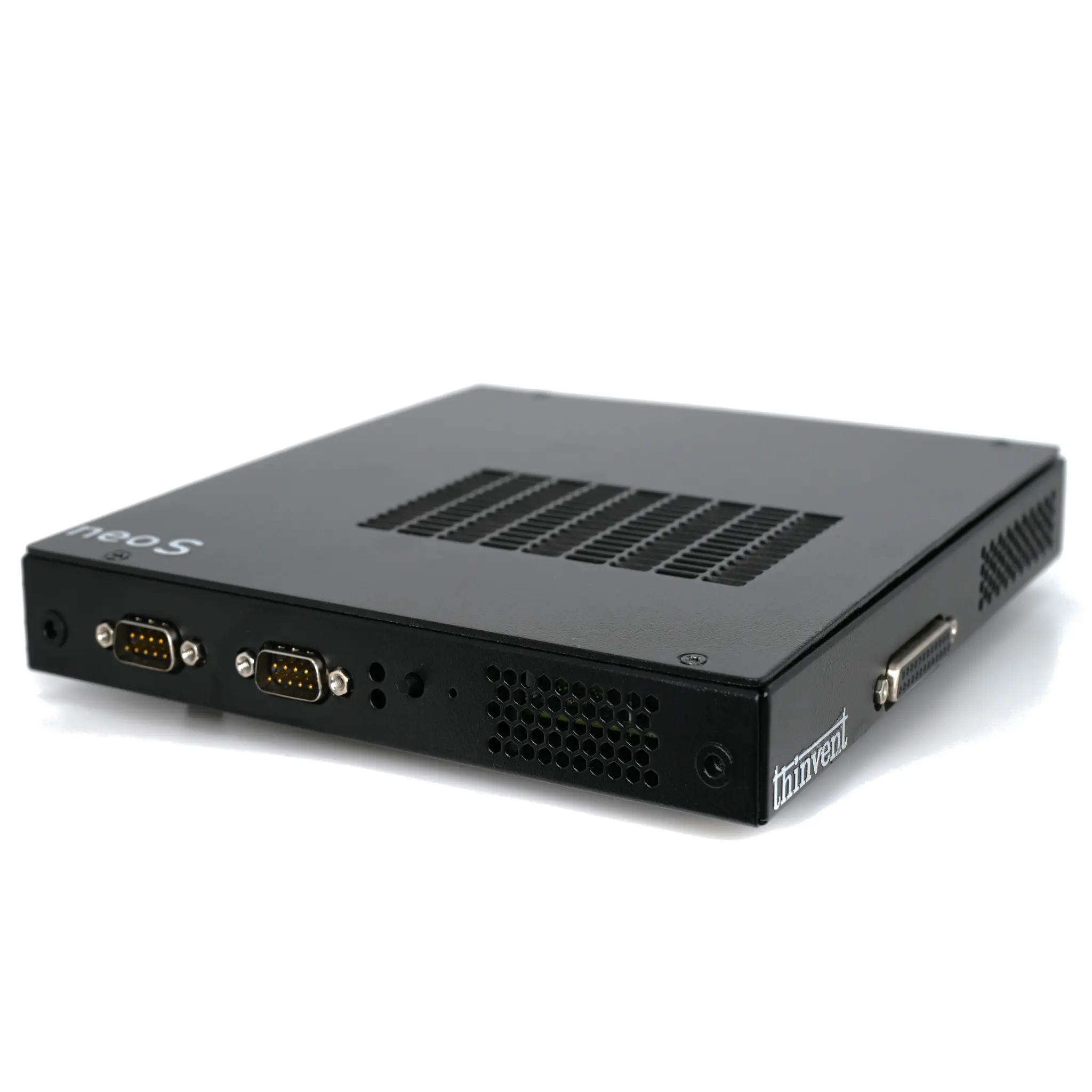
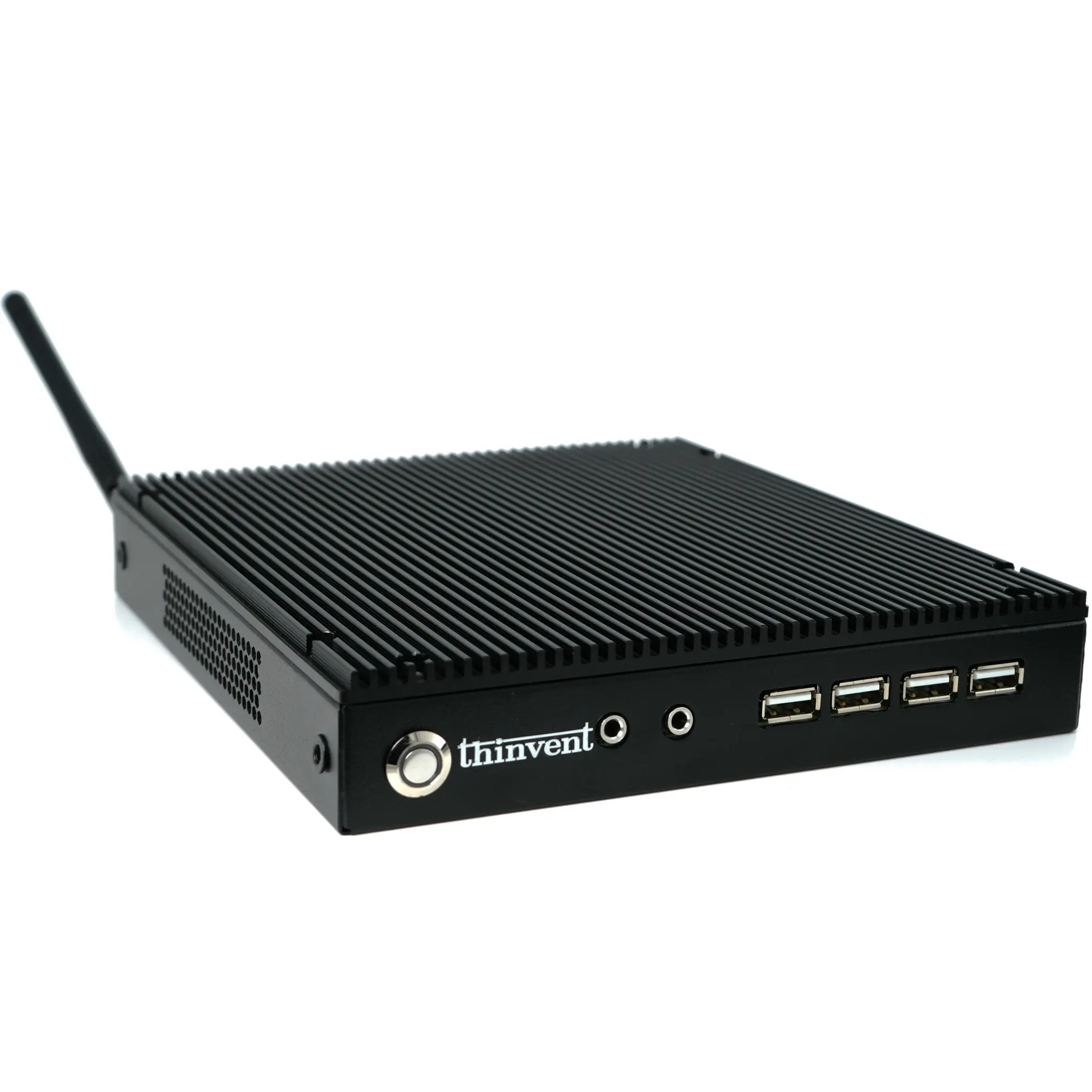
Thinvent offers a robust portfolio of industrial computers equipped with the latest high-performance Intel processors to meet the most demanding operational challenges. Our product lines, including compact Mini PCs, versatile Industrial PCs, and space-saving All-in-Ones, are available with powerful Intel Core i5, i7, and i9 CPUs from the 12th, 13th, and 14th generations. Engineered for 24/7 reliability with fanless designs where applicable, these systems provide the computational muscle needed for advanced industrial automation, machine vision, and data-intensive edge computing tasks. Explore our range to find a solution that delivers the perfect balance of peak performance, rugged durability, and long-term stability for your critical applications.