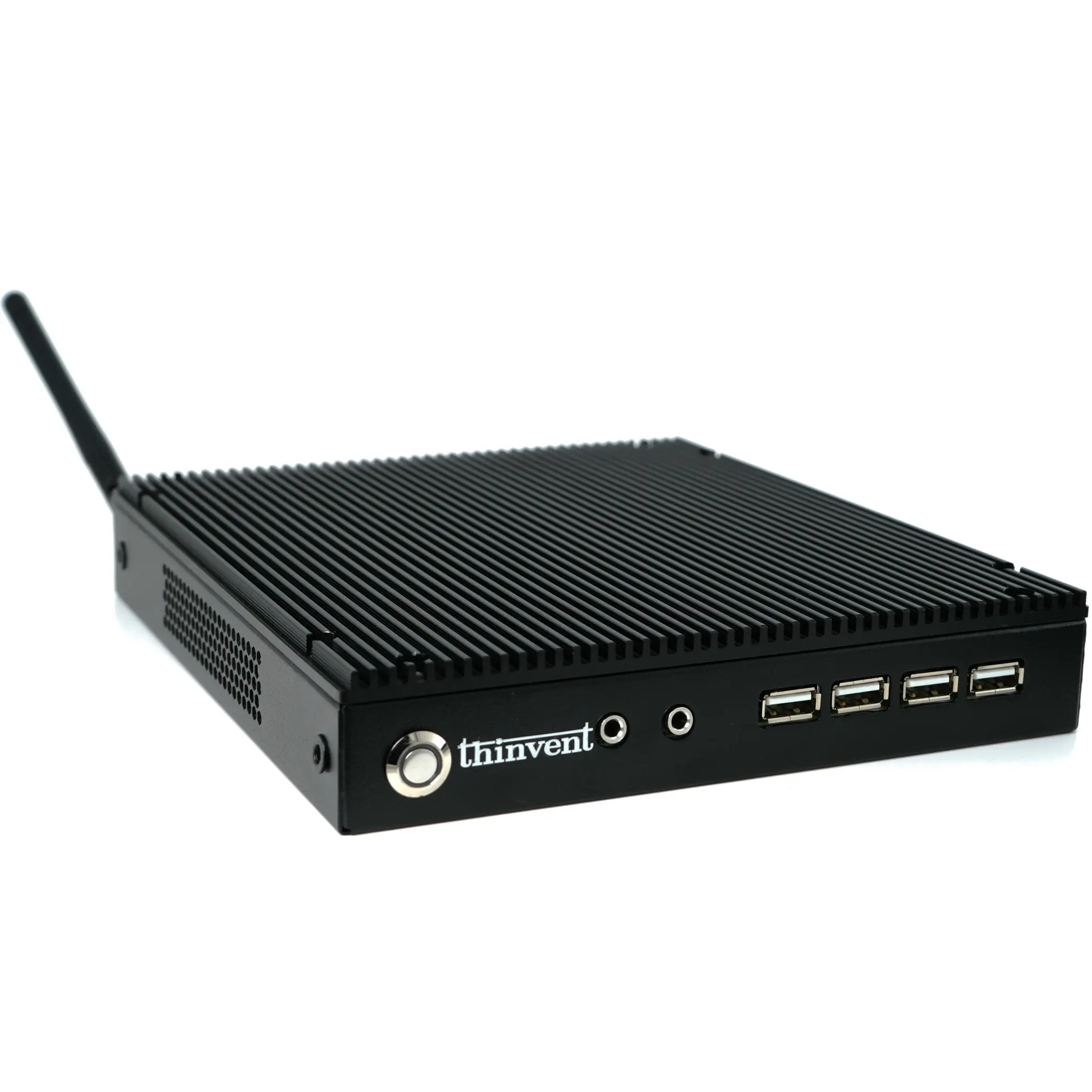
The price of a CPU in a computer is not a single figure but a key variable that significantly influences the total system cost and performance. It is determined by a combination of factors including the processor's brand, architecture, core count, clock speed, and intended application. For industrial and embedded computing, the choice of CPU directly impacts reliability, power efficiency, and suitability for specific workloads, from basic digital signage to complex machine vision.
Key specifications that affect CPU pricing and performance include:
-
Processor Brand & Architecture: Intel processors (like Core i-series and N-series) typically command a higher price than ARM-based solutions, offering higher performance for demanding applications. ARM CPUs are cost-effective and power-efficient for lightweight, dedicated tasks.
-
Core Count & Threads: More cores allow for better multitasking and parallel processing. Entry-level systems may use 4-core CPUs (e.g., Intel N100, ARM Cortex), while high-performance workstations utilize 6, 10, or 12-core processors (e.g., Intel Core i3/i5).
-
Clock Speed & Cache: Measured in GHz, higher clock speeds enable faster task execution. A larger CPU cache (e.g., 6MB vs. 12MB) improves efficiency by storing frequently accessed data closer to the cores.
-
Generation: Newer processor generations (e.g., Intel 12th, 14th Gen) offer improved performance and efficiency over older ones at similar price points.
Use Cases and Applications Selecting the right CPU involves matching its capabilities to the intended use case, which optimizes value and total cost of ownership.
-
Basic Thin Clients & Digital Signage: ARM processors or Intel N-series (e.g., N100) are ideal. They are low-power, fanless, and cost-effective for running a single application or displaying content.
-
General-Purpose Industrial PCs: Mid-range Intel Core i3 or i5 processors (e.g., i3-1215U, i5-1250P) provide a balance of performance and price for factory HMIs, kiosks, and light data processing.
-
High-Performance Workstations: For demanding applications like edge AI, machine vision, or complex automation, higher-tier CPUs like the Intel Core i5-1250P (12 cores) or 14th Gen processors are necessary, representing a higher investment for superior computational power.
| Use Case | Recommended CPU Tier | Example Specs | Key Benefit |
|---|---|---|---|
| Lightweight Terminal | Entry-Level (ARM / Intel N-Series) | 4 Cores, ~2-3.4 GHz, 4-8GB RAM | Low Cost & Power Efficiency |
| General Industrial Computing | Mid-Range (Intel Core i3/i5) | 6-12 Cores, ~4.4 GHz, 8-16GB RAM | Balanced Performance for Multitasking |
| Advanced Edge Computing | High-Performance (Intel Core i5/i7) | 10+ Cores, ~5.0 GHz, 16GB+ RAM | Maximum Speed for Demanding Workloads |
Thinvent Products Featuring a Range of CPUs Thinvent offers a comprehensive portfolio of industrial computers, mini PCs, and thin clients to match any performance requirement and budget. Our product lines are designed with specific CPU tiers to deliver optimal value:
-
For Entry-Level Efficiency: The Thinvent Micro series utilizes power-efficient ARM Cortex processors, perfect for thin client and digital signage deployments where low cost and minimal heat are priorities.
-
For Balanced Performance: The Thinvent Treo and Aero Mini PC series feature Intel processors like the N100 and Core i3-1215U, offering excellent performance for office applications, kiosks, and light industrial duties.
-
For Demanding Workloads: The Thinvent Industrial PC (IPC) series is built with high-performance Intel Core processors, including the i5-1250P and 14th Gen CPUs. These systems are engineered for reliability in harsh environments and can handle data-intensive tasks like automation control and edge analytics.