Understanding Industrial PC Processors
The query "Cpu Precio" translates to "CPU Price," indicating a user is seeking information on the cost of processors for industrial computing systems. However, price is highly variable and depends on the specific processor model, its performance tier, and the complete system configuration. For industrial applications, the value proposition extends beyond just the CPU's cost to include long-term reliability, thermal performance, and total cost of ownership. This guide focuses on the key processor specifications that determine performance and suitability for industrial tasks.
Key Processor Specifications and Performance Tiers
Industrial PC processors are categorized by brand, series, generation, and core count, which directly influence their capability and price point. Entry-level processors, like Intel's Celeron or N-series (e.g., N95, N100), are cost-effective and ideal for lightweight tasks such as digital signage, basic HMIs, or thin clients. Mid-range options, including Intel Core i3 and i5 processors from recent generations (12th, 13th, 14th), offer a significant performance boost for data processing, edge computing, and multi-monitor setups. High-performance workstations utilize processors like the Intel Core i5-1250P with higher core counts (e.g., 10, 12 cores) for demanding applications in machine vision, automation, and AI inference.
| Processor Tier | Typical Series | Ideal Core Count | Common Use Cases |
|---|---|---|---|
| Entry-Level / Value | Intel Celeron, Intel N-series | 4 Cores | Digital Signage, Kiosks, Thin Clients |
| Mid-Range / Balanced | Intel Core i3, i5 | 4-6 Cores | Edge Gateways, Industrial HMIs, Light CAD |
| High-Performance | Intel Core i5, i7 | 10-12 Cores | Machine Vision, Automation Control, AI at the Edge |
Applications and Selection Criteria
Selecting the right CPU involves matching its capabilities to the application's demands. For 24/7 operation in harsh environments, fanless cooling is critical, and processors with low Thermal Design Power (TDP) are preferred. Connectivity needs, such as multiple Ethernet ports or USB 3.2 Gen 2 interfaces, should also be considered alongside the CPU. Memory (RAM) and storage (SSD) are complementary components; a powerful CPU should be paired with sufficient RAM (16GB or more) and fast storage (NVMe SSDs) to avoid bottlenecks.
Thinvent Industrial PCs Featuring Advanced Processors
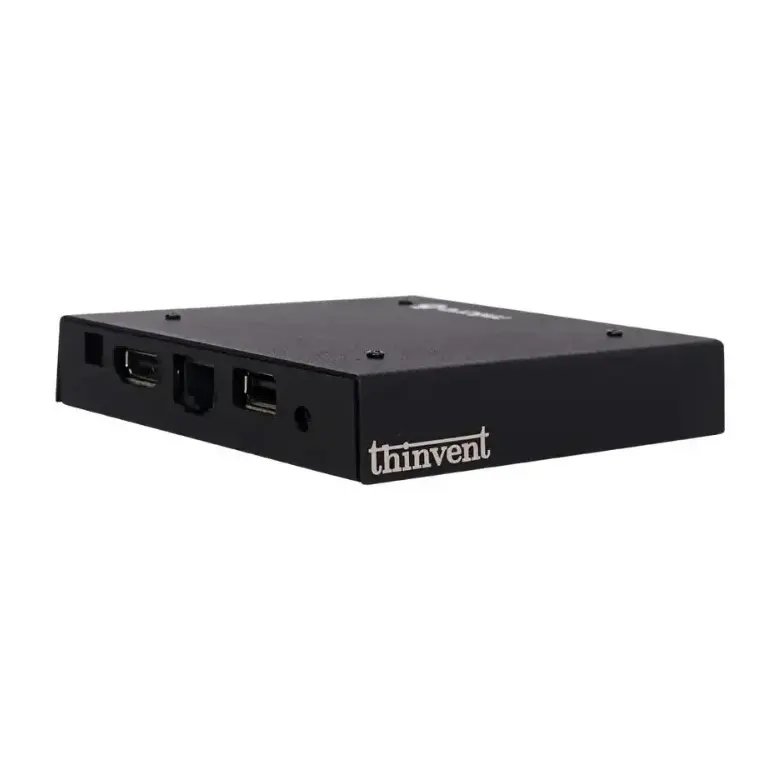
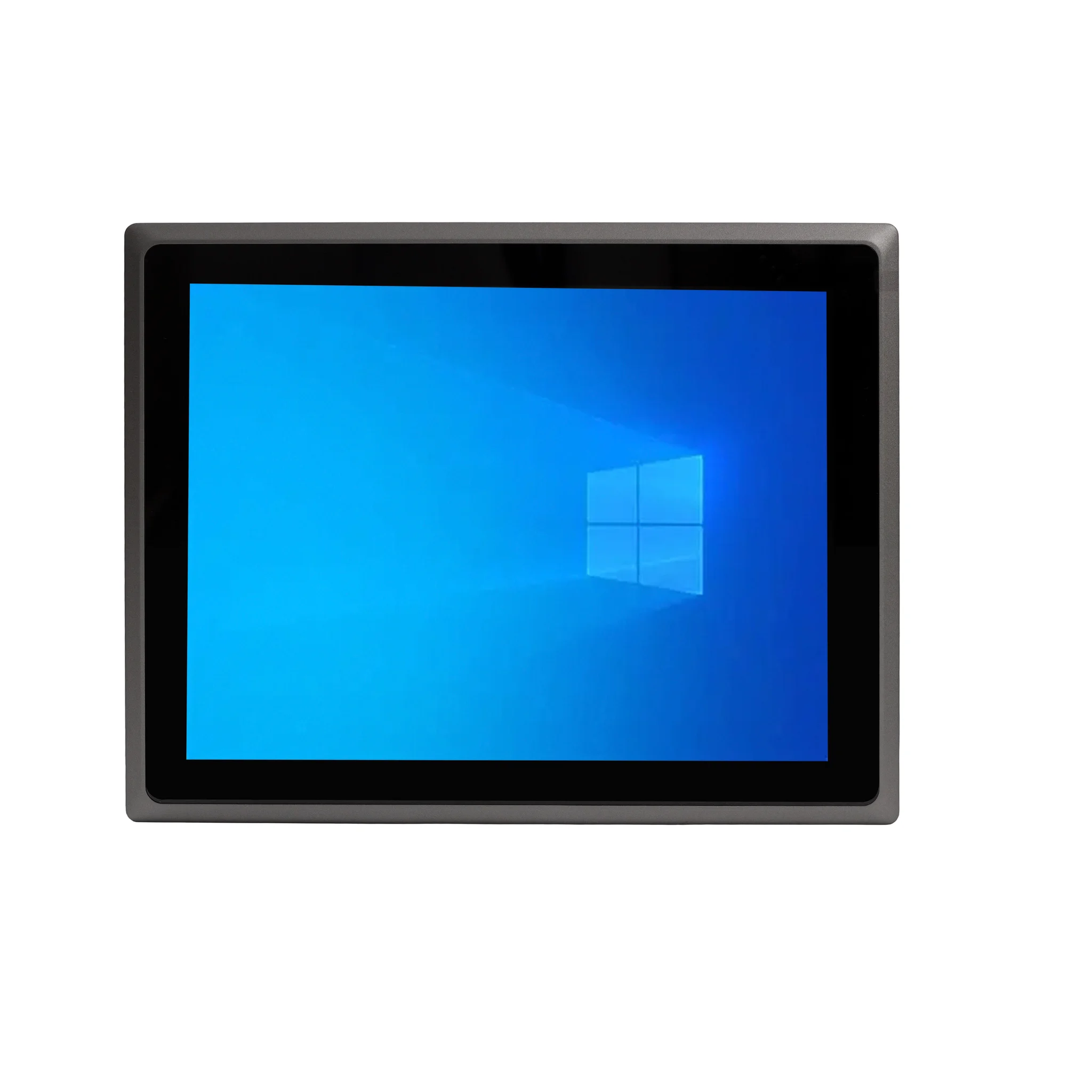
Thinvent's product portfolio is engineered around these processor principles, offering reliable, fanless systems for global industrial deployment. Our Aero Mini PC series utilizes efficient Intel N-series processors like the N100, perfect for space-constrained, always-on applications. For more computational power, our Industrial Panel PCs and Box PCs are available with the latest Intel Core i3, i5, and i7 processors from the 12th to 14th generations. These systems are built with industrial-grade components, wide-temperature operation, and multiple I/O options, ensuring they deliver consistent performance where it matters most. Explore our range to find the optimal balance of processing power, reliability, and value for your specific industrial challenge.