What Are Intel Core i9 Processors?
Intel Core i9 processors represent the pinnacle of consumer and professional-grade computing performance within Intel's Core series. Designed for demanding workloads, these CPUs feature a high core and thread count, elevated clock speeds, and substantial cache memory. They are engineered to handle intensive tasks such as 3D rendering, scientific simulations, high-end gaming, and complex data analysis with exceptional speed and multitasking capability. For industrial applications, this translates to unparalleled processing power for edge computing, AI inference, and real-time data processing in harsh environments.
Key Specifications and Technical Details
Modern Intel Core i9 processors, particularly from the 13th and 14th generations (Raptor Lake), offer a hybrid architecture combining Performance-cores (P-cores) and Efficient-cores (E-cores). A typical high-end i9 may feature up to 24 cores (8 P-cores + 16 E-cores) and 32 threads, with maximum turbo frequencies exceeding 5.8 GHz. They are equipped with large L3 caches (often 36MB or more) and support for high-speed DDR5 memory and PCIe 5.0 interfaces. This architecture provides the raw computational throughput and I/O bandwidth required for the most challenging industrial computing scenarios.
Ideal Use Cases and Applications
Industrial PCs powered by i9 processors are deployed in mission-critical environments where processing latency and data throughput are paramount. Common applications include:
-
Industrial Automation & Control: Running complex PLCs and SCADA systems for large-scale manufacturing.
-
Machine Vision & AI: Powering real-time image processing and deep learning algorithms for quality inspection and robotic guidance.
-
Digital Signage & Broadcasting: Driving multiple 4K/8K displays in public venues or handling live video encoding.
-
Research & Simulation: Performing computational fluid dynamics (CFD), finite element analysis (FEA), and other engineering simulations at the edge.
-
High-Frequency Trading: Executing algorithmic trading strategies where microsecond latency is critical.
Comparison: i9 vs. Other Processor Tiers
For industrial applications, choosing the right processor tier balances performance, power consumption, and thermal design. The following table highlights key differences:
| Feature | Intel Core i9 (High-Performance) | Intel Core i5/i7 (Mainstream) | Intel Celeron/N-Series (Value/Efficiency) |
|---|---|---|---|
| Core/Thread Count | Very High (e.g., 24C/32T) | Moderate to High (e.g., 10C/16T) | Low (e.g., 4C/4T) |
| Clock Speed | Highest Turbo Frequencies | High Turbo Frequencies | Moderate Base Frequencies |
| Cache Memory | Largest (e.g., 36MB+) | Moderate (e.g., 20MB) | Smaller (e.g., 6MB) |
| Power Envelope (TDP) | Higher (45W - 65W+) | Moderate (15W - 65W) | Low (6W - 15W) |
| Ideal For | Heavy multitasking, AI, simulation | General automation, kiosks, mid-range workstations | Digital signage, thin clients, basic IoT gateways |
Thinvent's High-Performance Industrial Solutions
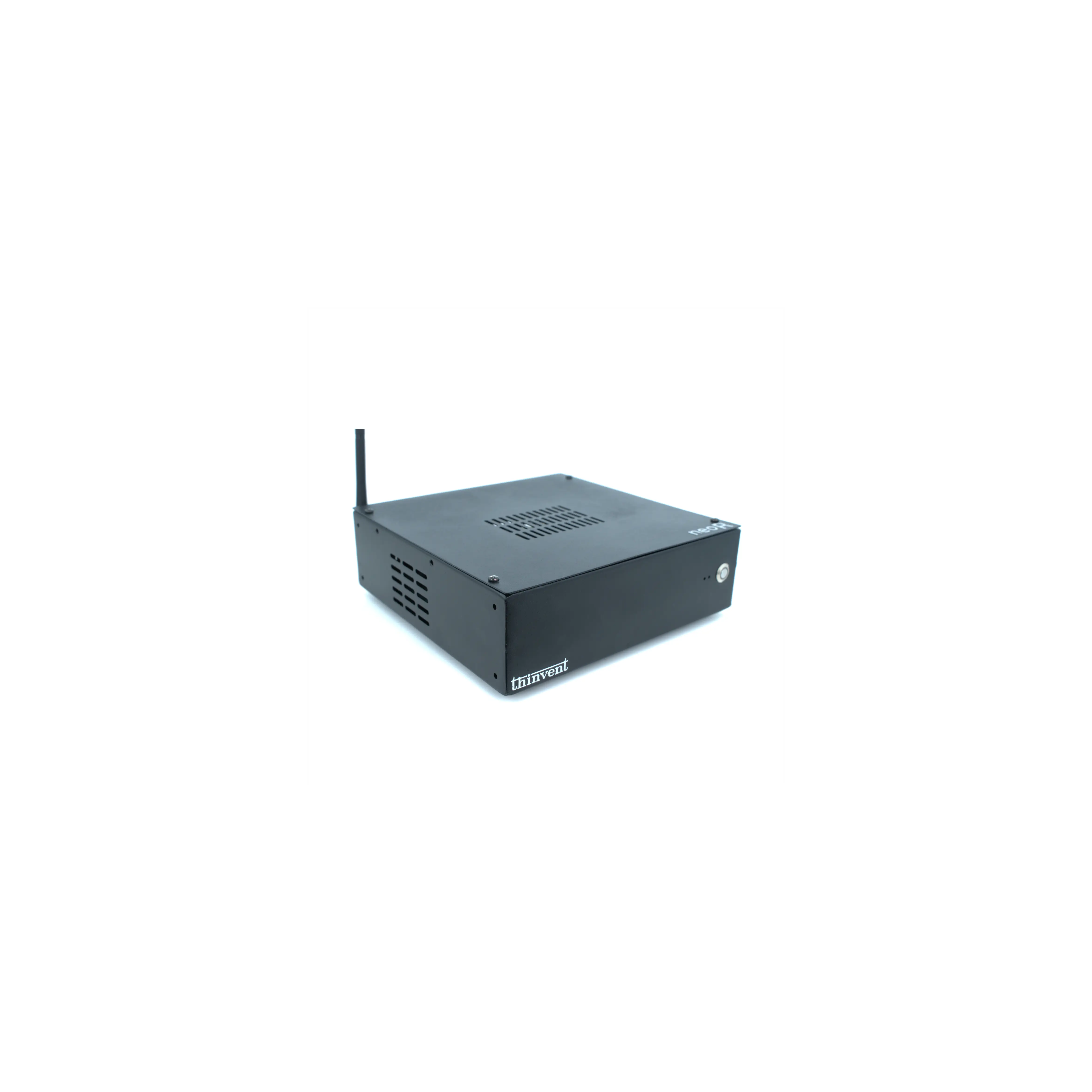
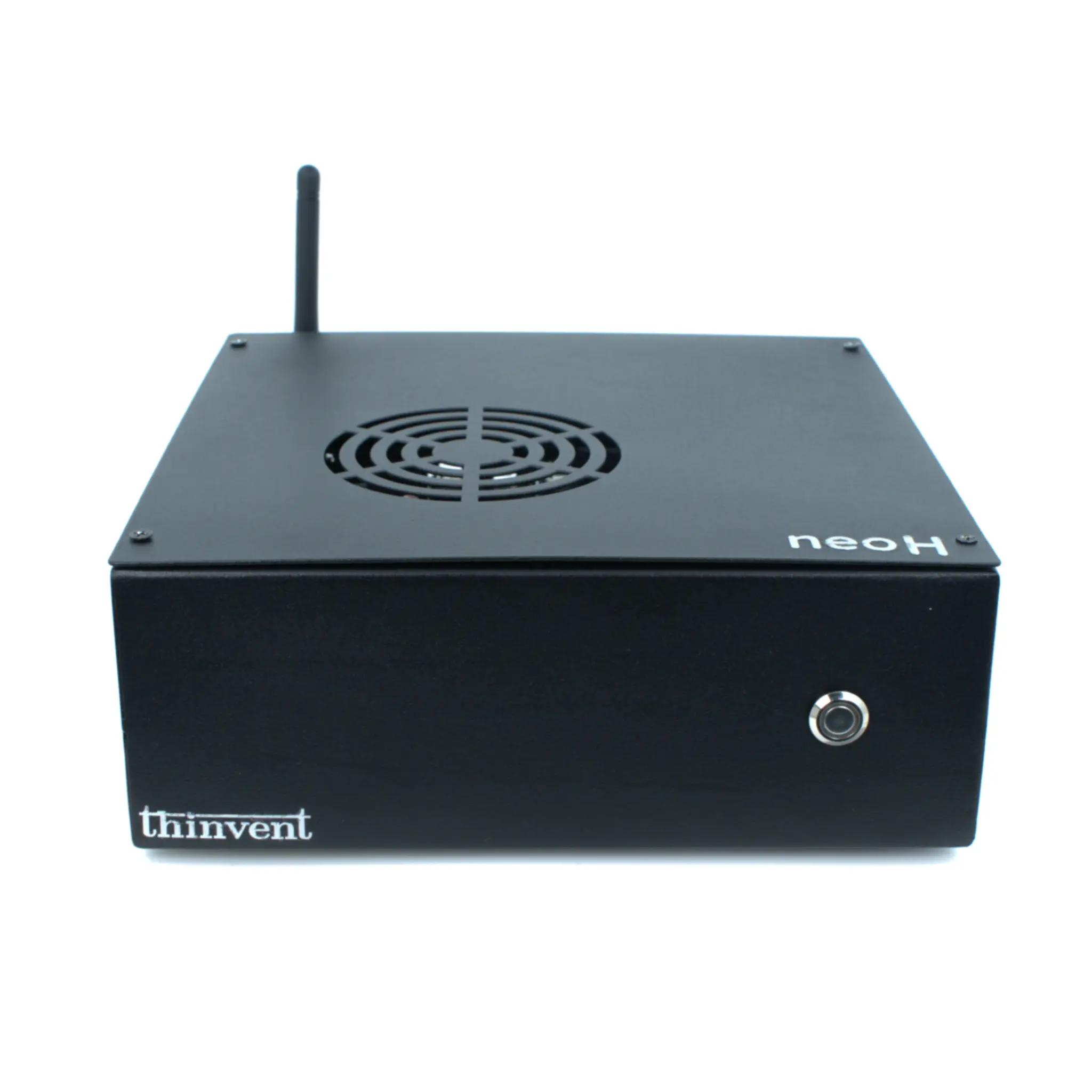
While the showcased products utilize efficient N-Series processors for entry-level tasks, Thinvent's broader portfolio includes robust industrial computing solutions designed to accommodate high-performance components like Intel Core i9 processors. Our industrial-grade chassis are built with superior thermal management, often utilizing advanced fanless cooling designs to ensure silent, reliable operation in dusty or volatile environments. These systems support high-wattage CPUs, ample DDR5 memory, and multiple high-speed storage and expansion slots. For applications requiring maximum computational power—such as edge AI servers, advanced robotics controllers, or medical imaging stations—Thinvent can configure custom industrial PCs tailored with the latest Intel Core i9 technology to meet your specific performance and reliability requirements.