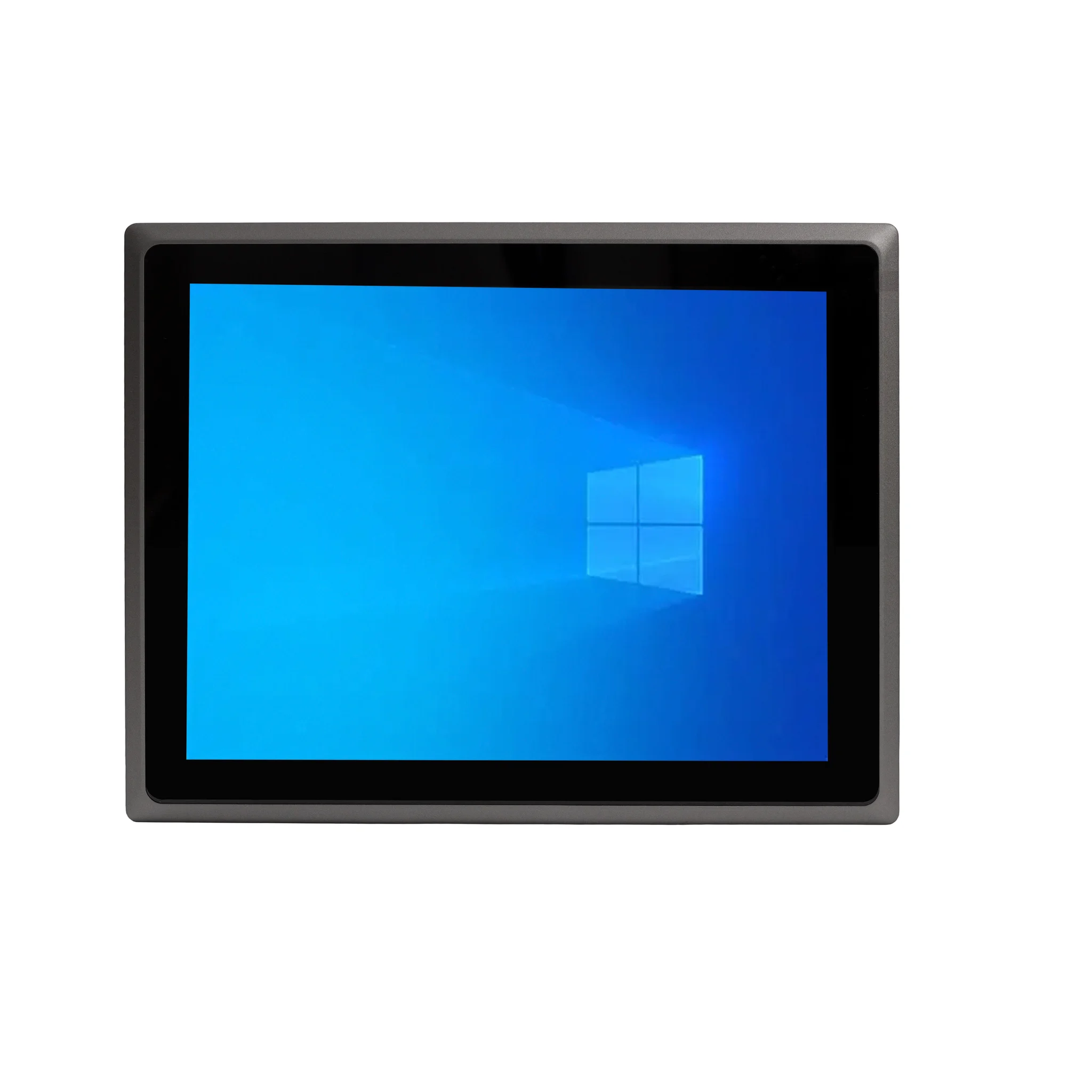
A Crew Management System (CMS) is a specialized software platform used to plan, manage, and optimize the scheduling, duty hours, and logistics of personnel, such as in transportation, shipping, or large-scale industrial operations. FOIS (Freight Operations Information System) is a specific implementation used in railway logistics to manage crew and freight movement. For these critical systems, the underlying computing hardware must deliver consistent reliability, secure connectivity, and stable performance for 24/7 operational environments.
Key Hardware Requirements for CMS/FOIS
Industrial computers for Crew Management Systems prioritize operational stability over raw performance. Key specifications include:
-
Reliable Processing: Modern, efficient Intel processors (like the N-Series) provide ample power for database queries, scheduling algorithms, and user interface tasks without excessive heat.
-
Adequate Memory: 8GB to 16GB of RAM is typically sufficient to run the CMS software, an operating system, and multiple browser tabs or client applications smoothly.
-
Robust Storage: A solid-state drive (SSD) is essential for fast boot times, quick application loading, and improved overall system responsiveness compared to traditional hard drives.
-
Fanless & Rugged Design: A fanless cooling system is critical. It eliminates moving parts that can fail, prevents dust ingress, and allows for silent, maintenance-free operation in control rooms or offices.
-
Stable Connectivity: Multiple Gigabit Ethernet ports ensure reliable, high-speed connections to central servers and network infrastructure, which is non-negotiable for real-time data syncing in CMS/FOIS.
Applications and Deployment
These systems are deployed in central control rooms, back offices, and at remote operational hubs. The hardware serves as the access point for dispatchers, planners, and managers to view schedules, assign duties, track crew locations, and ensure compliance with labor regulations. The compact form factor of mini PCs allows for flexible mounting behind monitors or in space-constrained workstations, reducing clutter.
Recommended System Configuration
| Component | Recommended Specification | Why It Matters |
|---|---|---|
| Form Factor | Mini PC, Thin Client | Saves space, allows for VESA mounting, and is easily deployable. |
| Processor | Intel N-Series (e.g., N100) | Energy-efficient, generates less heat, and provides more than enough performance for CMS applications. |
| Memory (RAM) | 8GB - 16GB DDR4 | Ensures smooth multitasking between the CMS software, communication tools, and other business applications. |
| Storage | 128GB - 256GB SSD | Provides fast access to the OS and applications, improving daily workflow efficiency. |
| Operating System | Windows 11 Pro / IoT / Linux | Windows Pro offers broad software compatibility, while IoT or Linux variants provide enhanced security and long-term stability for dedicated kiosks. |
| Key Feature | Fanless Design | Guarantees silent, reliable 24/7 operation with no risk of fan failure. |
Thinvent Solutions for Crew Management
Thinvent's range of industrial-grade mini PCs, like the Aero series, are engineered to meet the exact demands of Crew Management and FOIS environments. They feature robust, fanless metal chassis, efficient Intel processors, and a selection of operating systems to match your IT policy. With a focus on reliability and connectivity, Thinvent computers provide a stable and durable hardware foundation for your critical operational software, ensuring your crew logistics run smoothly around the clock.