What is a Crew Management System?
A Crew Management System (CMS) is a specialized software platform used to plan, schedule, track, and manage personnel, particularly in industries with complex shift-based or mobile workforces. It is a critical operational tool for ensuring the right people are in the right place at the right time, managing certifications, tracking duty hours for compliance, and optimizing labor resources. For such a system to function reliably, it requires a stable and durable hardware foundation that can operate continuously in various environments, from office settings to harsher operational hubs.
Hardware Requirements for Crew Management Systems
The hardware for a CMS must prioritize reliability, connectivity, and consistent performance over raw computing power. Key specifications include a modern, efficient processor (like an Intel N-series) for handling database queries and user interfaces, sufficient RAM (8GB-16GB) for smooth multitasking, and fast SSD storage (128GB-256GB) for quick application and data access. Since these systems often run 24/7, fanless cooling is a major advantage, eliminating moving parts that can fail and reducing dust ingress. Robust connectivity with multiple Gigabit Ethernet ports is essential for network reliability, and support for multiple displays via HDMI is crucial for operational dashboards.
Applications and Use Cases
Crew Management Systems are deployed across numerous sectors. In transportation and logistics, they are used for scheduling drivers, pilots, and rail crews, ensuring compliance with rest regulations. The maritime industry relies on them for managing ship crews, certifications, and port rotations. Healthcare facilities use similar systems for nurse and staff scheduling. In manufacturing and energy, they manage shift workers across plants and remote sites. The hardware must therefore be versatile enough to be deployed as a compact Mini PC at a dispatcher's desk, a Thin Client in a training room, or an embedded Industrial PC within a control room panel.
Recommended Hardware Specifications
| Component | Recommended Specification | Rationale |
|---|---|---|
| Form Factor | Mini PC, Thin Client, Industrial PC | Compact, versatile for various deployment scenarios. |
| Processor | Intel N100, N95, or similar | Efficient 4-core performance with low power draw and heat. |
| Memory (RAM) | 8 GB - 16 GB | Ideal for running the CMS software, OS, and background tasks smoothly. |
| Storage | 128 GB - 256 GB SSD | Provides fast boot times and application responsiveness; ample for OS and software. |
| Cooling | Fanless Design | Essential for 24/7 reliability, silent operation, and use in dusty environments. |
| OS Support | Windows 11 IoT/Pro, Linux | Compatibility with major CMS software platforms. |
| Connectivity | Dual Gigabit Ethernet, Multiple USB Ports | For network redundancy and connecting peripherals like badge readers. |
Thinvent Solutions for Crew Management
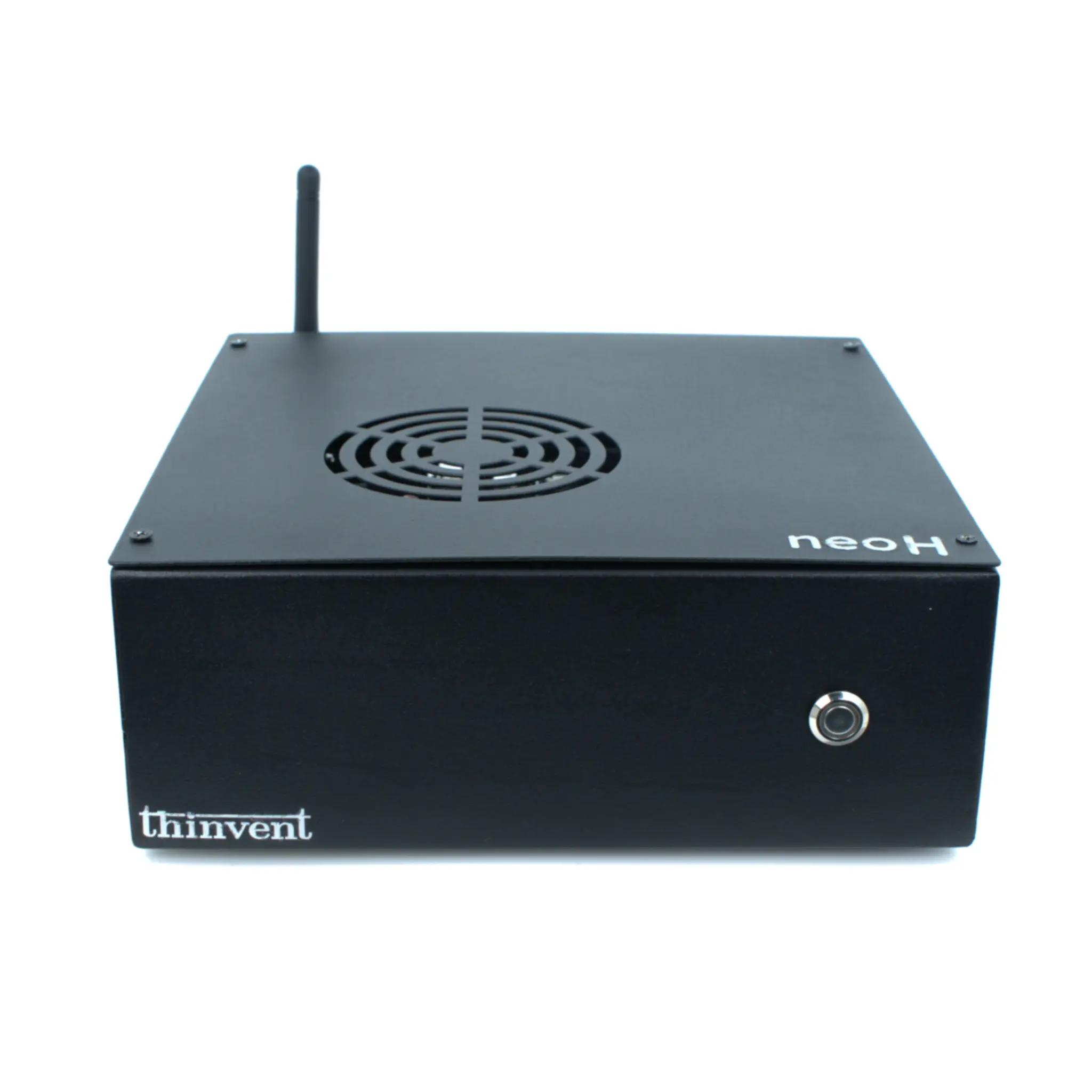
Thinvent offers a range of industrial-grade computing solutions perfectly suited to host Crew Management Systems. Our fanless Aero Mini PCs, like the Intel N100 models, provide the ideal blend of efficient processing, robust connectivity, and silent, reliable operation in a compact form factor. For environments requiring even greater durability or specific mounting options, our broader lineup of Industrial PCs and Thin Clients offers the same core benefits with enhanced I/O and wider operating temperature ranges. All Thinvent systems are built for continuous operation, ensuring your critical crew management software remains online and responsive, supporting seamless workforce operations globally.