What is a Motherboard?
A motherboard, also known as a mainboard, system board, or logic board, is the primary printed circuit board (PCB) in a computer. It serves as the central communication backbone, connecting and allowing all crucial hardware components to interact. Think of it as the computer's central nervous system; the processor (CPU), memory (RAM), storage drives, expansion cards, and peripheral devices all connect to the motherboard, enabling them to work together as a cohesive unit.
Key Specifications and Components
A motherboard's design and capabilities are defined by its form factor, chipset, and socket type. The form factor (e.g., ATX, Micro-ATX, Mini-ITX) dictates its physical size and layout. The CPU socket is specific to a processor brand and generation, determining compatibility. The chipset manages data flow between the CPU, memory, and peripherals. Other critical components include:
-
RAM Slots: For installing system memory (DDR4, DDR5).
-
Expansion Slots: Such as PCIe (Peripheral Component Interconnect Express) for graphics cards, network cards, or storage controllers.
-
Storage Connectors: SATA ports for hard drives/SSDs and M.2 slots for high-speed NVMe SSDs.
-
Power Connectors: To deliver power from the PSU (Power Supply Unit).
-
I/O (Input/Output) Panel: Includes USB ports, audio jacks, Ethernet, and video outputs (HDMI, DisplayPort).
Use Cases and Applications
The motherboard is fundamental to every computing device, from consumer laptops to industrial systems. Its design dictates the computer's purpose:
-
Consumer Desktops: Standard ATX or Micro-ATX boards offer expansion for gaming, content creation, and general use.
-
Industrial & Embedded Systems: Often use ruggedized, fanless Mini-ITX or custom form factors. These prioritize reliability, wide temperature tolerance, and long-term availability for applications like digital signage, factory automation, and kiosks.
-
Compact Systems (Mini PCs): Utilize highly integrated motherboards where components like the CPU are often soldered to save space and reduce points of failure, ideal for edge computing and thin clients.
Motherboard Comparison for Different Systems
| Feature | Consumer Desktop Motherboard | Industrial-Grade Motherboard |
|---|---|---|
| Primary Focus | Performance, features, upgradability | Reliability, longevity, stability |
| Environment | Controlled office/home | Harsh (temp, dust, vibration) |
| Component Lifespan | Standard (3-5 years) | Extended (5-10+ years) |
| Expansion | Multiple PCIe slots, many SATA ports | Often limited, focused on specific I/O |
| Typical Use Case | Gaming, office work, media | Digital signage, automation, IoT gateway |
Thinvent Products Featuring Robust Motherboard Designs
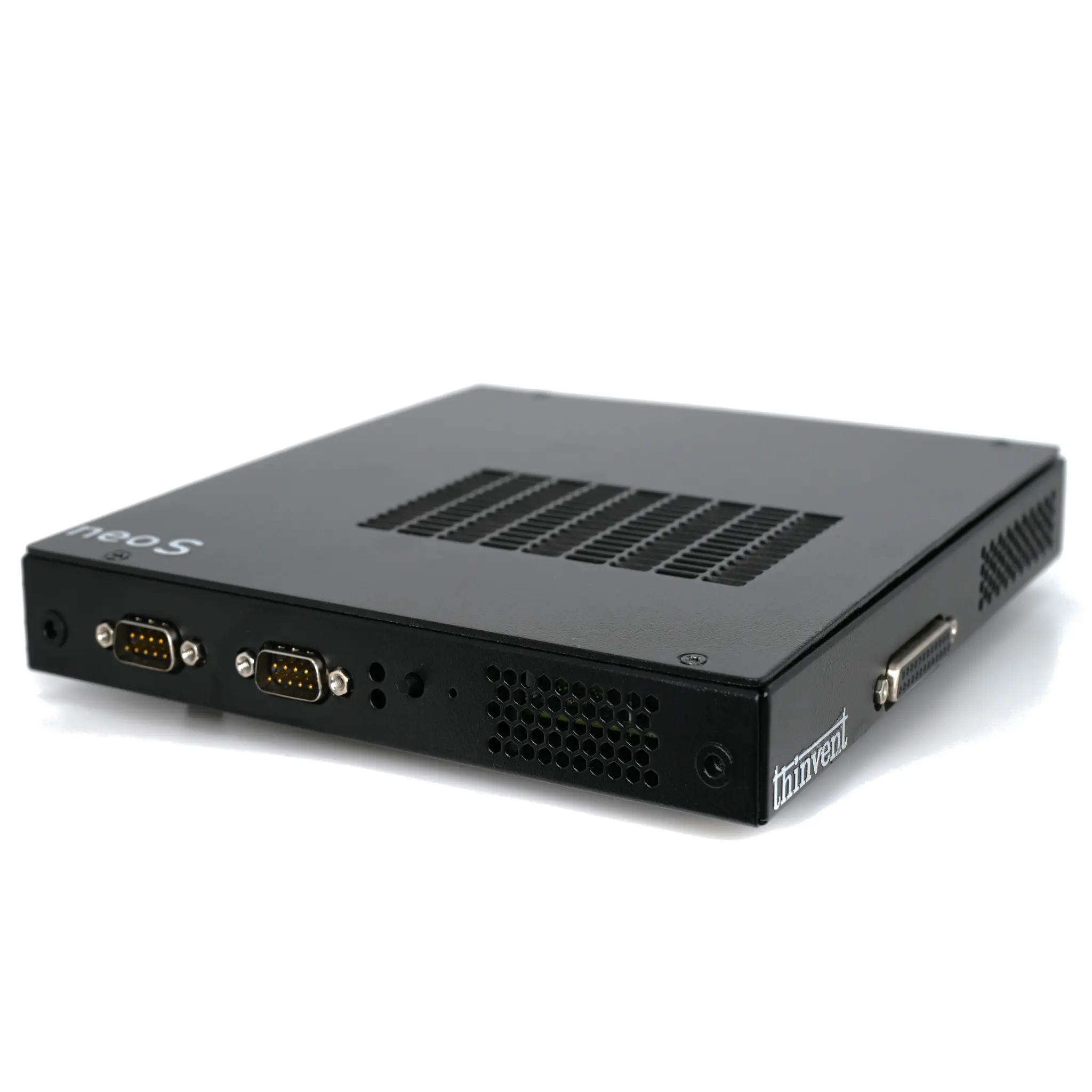
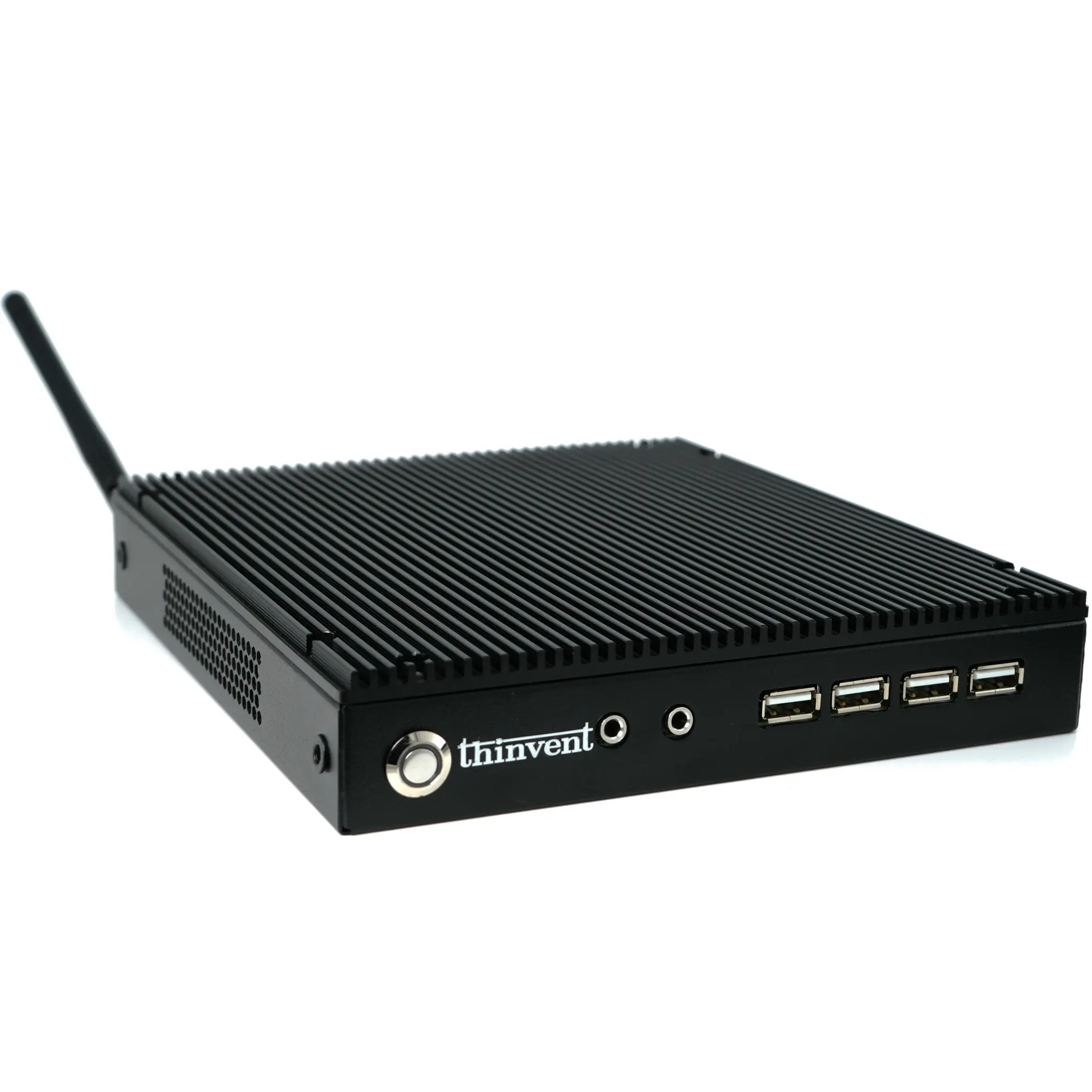
Thinvent's industrial computing solutions are built around purpose-engineered motherboards designed for durability and consistent performance. Our Aero Mini PC series, for example, integrates a compact, fanless motherboard based on efficient Intel processors. This design eliminates moving parts for higher reliability in demanding environments. The board supports essential I/O like multiple USB ports, HDMI, and Gigabit Ethernet, making it a perfect core component for kiosks, interactive displays, and light industrial control. By selecting industrial-grade components and validating designs for extended operation, Thinvent ensures the motherboard—the heart of the system—delivers the stability required for professional and embedded applications worldwide.