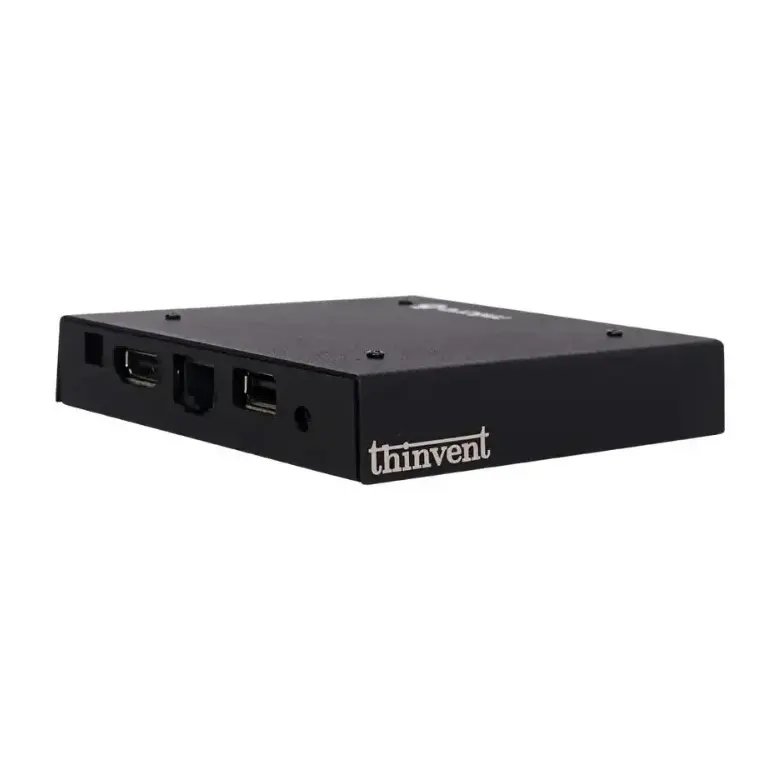
What is a PC Box or Mini PC?
A "PC Box" typically refers to a compact, all-in-one computing system, often synonymous with a Mini PC or small form factor (SFF) computer. These are complete, fully-functional computers built into a small, box-like chassis, designed to save space while delivering reliable performance. They are ideal alternatives to traditional desktop towers, offering similar capabilities in a fraction of the footprint.
Key Specifications and Technical Details
Modern compact PCs are engineered for efficiency and versatility. Core specifications often include low-power, high-efficiency processors from Intel's N-series (like the N100), which provide ample performance for everyday tasks while minimizing heat and power consumption. Standard configurations feature DDR4 RAM (commonly 8GB or 16GB), SSD storage (128GB to 1TB), and a variety of connectivity options including multiple USB ports, HDMI, and Gigabit Ethernet. A key advantage is their fanless or quiet cooling design, which enhances reliability by eliminating moving parts that can fail, making them perfect for 24/7 operation in demanding environments.
Use Cases and Applications
The compact size and robust build of these PCs make them suitable for a wide range of applications. In business settings, they serve as efficient workstations, digital signage players, or thin clients for virtual desktops. In industrial and embedded environments, their fanless operation and wide operating temperature ranges allow them to function reliably in manufacturing floors, kiosks, transportation systems, and healthcare. They are also popular for home theater setups (HTPCs) and as dedicated servers for light workloads.
| Feature | Benefit |
|---|---|
| Small Form Factor | Saves valuable desk or mounting space. |
| Fanless Cooling | Silent operation, higher reliability, dust-resistant. |
| Low Power Consumption | Reduces energy costs and heat output. |
| Rich I/O Connectivity | Supports multiple displays and peripherals. |
| Wide Operating Temperature | Suitable for non-climate-controlled environments. |
Thinvent Compact PC Solutions
Thinvent offers a comprehensive range of industrial-grade compact PCs that embody the "PC Box" concept. Our Aero Mini PC series, for example, features the efficient Intel N100 processor, up to 16GB of RAM, and solid-state storage, all housed in a rugged, fanless chassis. These systems are built for durability and continuous operation, supporting various operating systems including Windows 11, Linux, and embedded platforms. Whether for digital signage, edge computing, office productivity, or embedded automation, Thinvent's mini PCs provide a powerful, reliable, and space-saving computing foundation for global deployments.