Dell Wyse 5070 vs Thinvent Neo S Thin Client
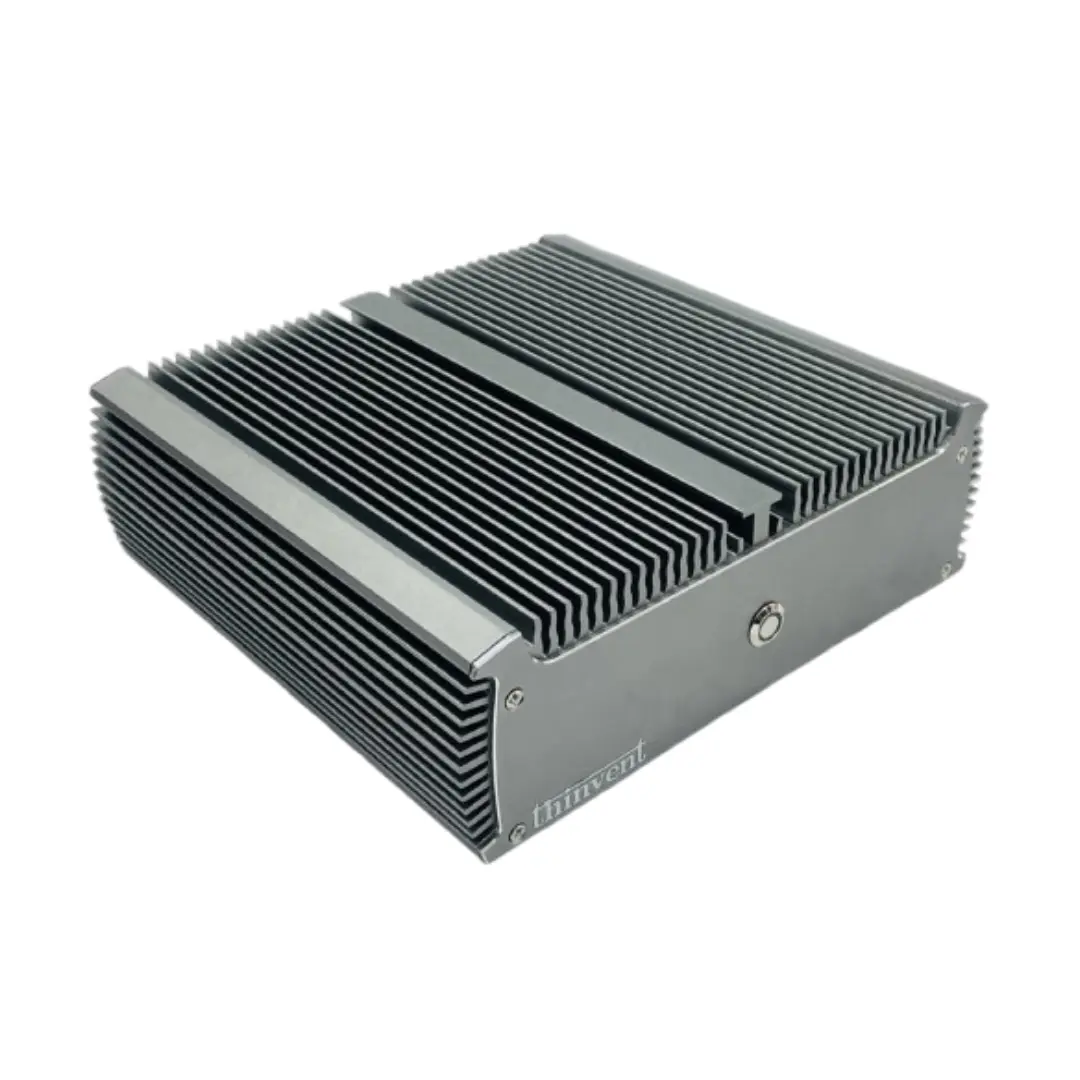
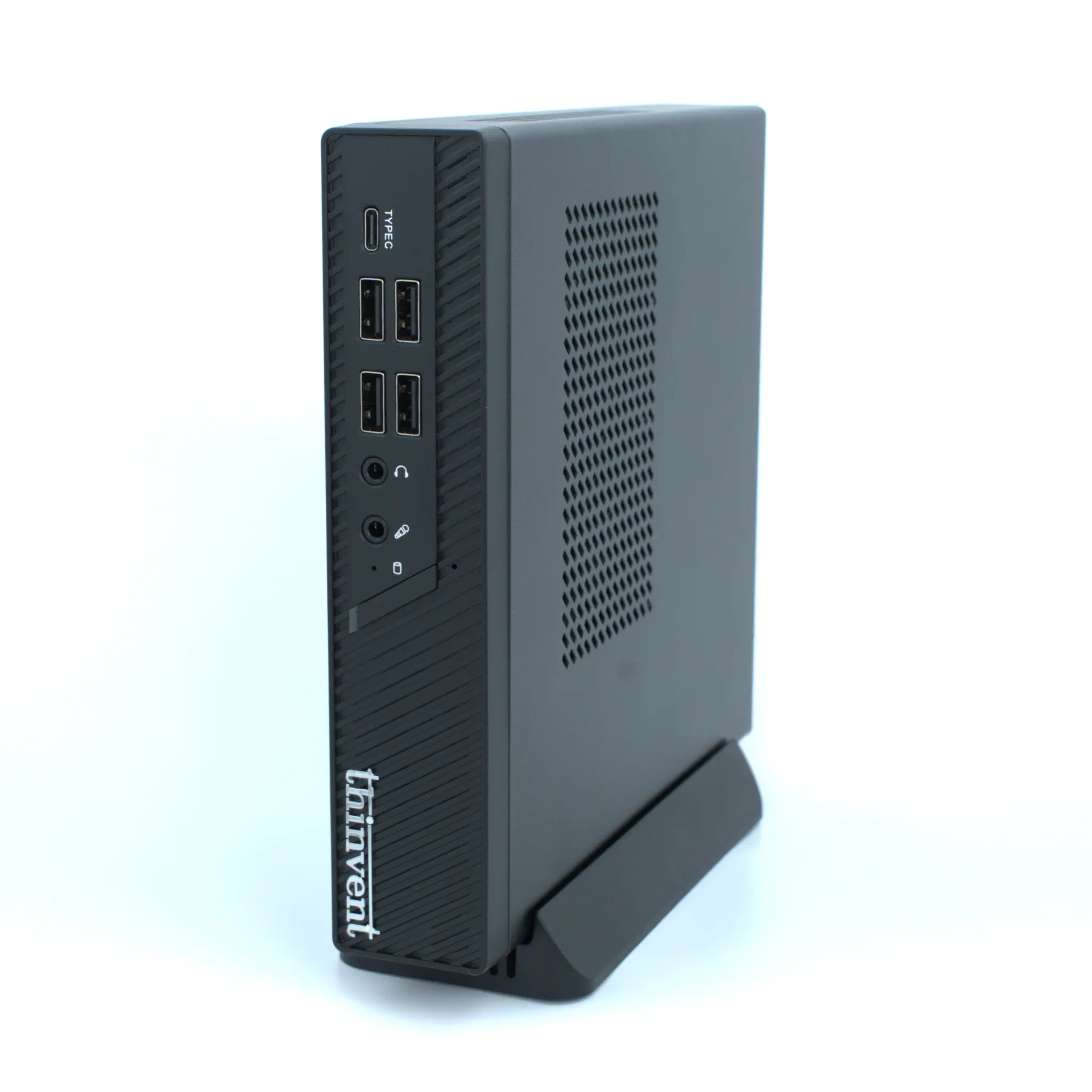
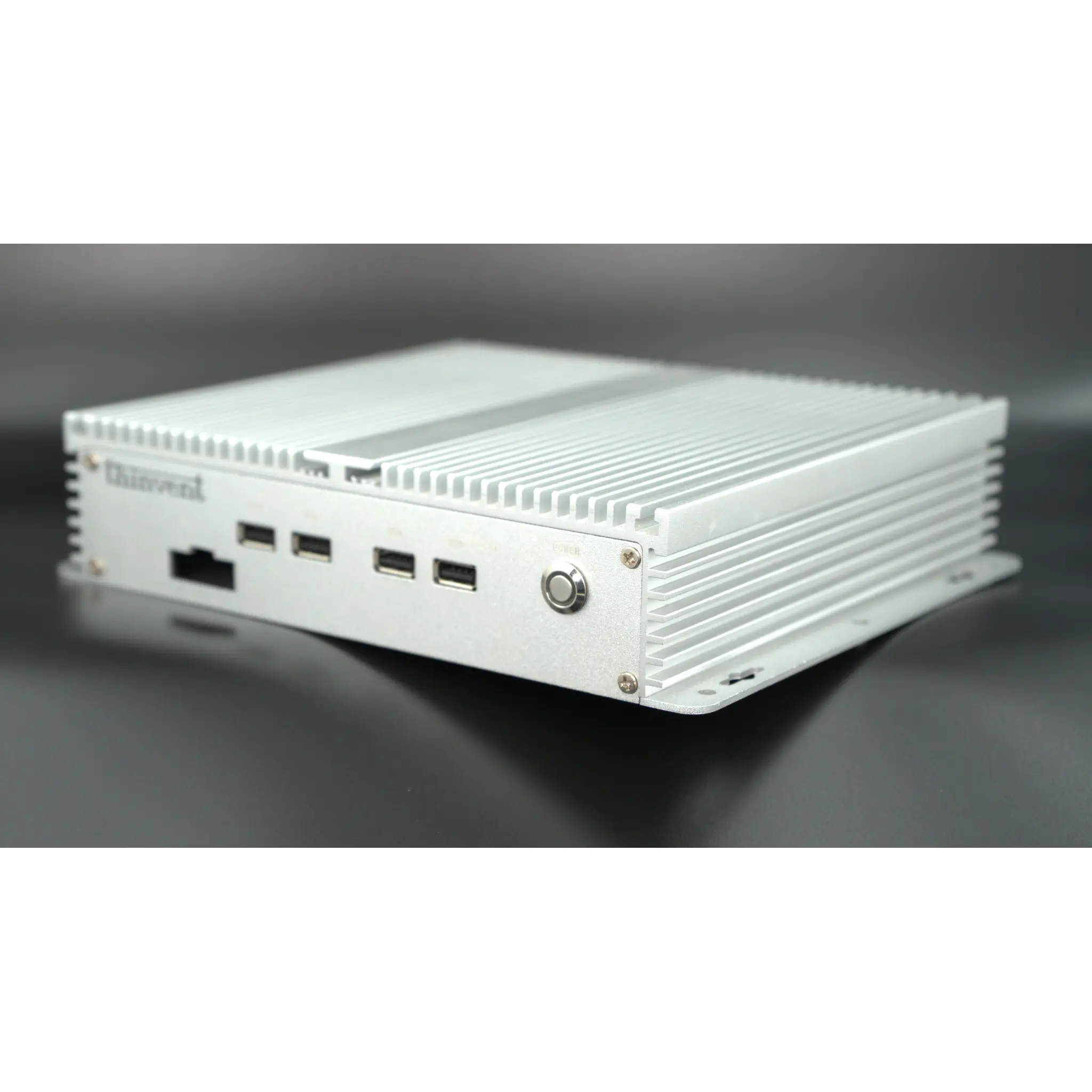
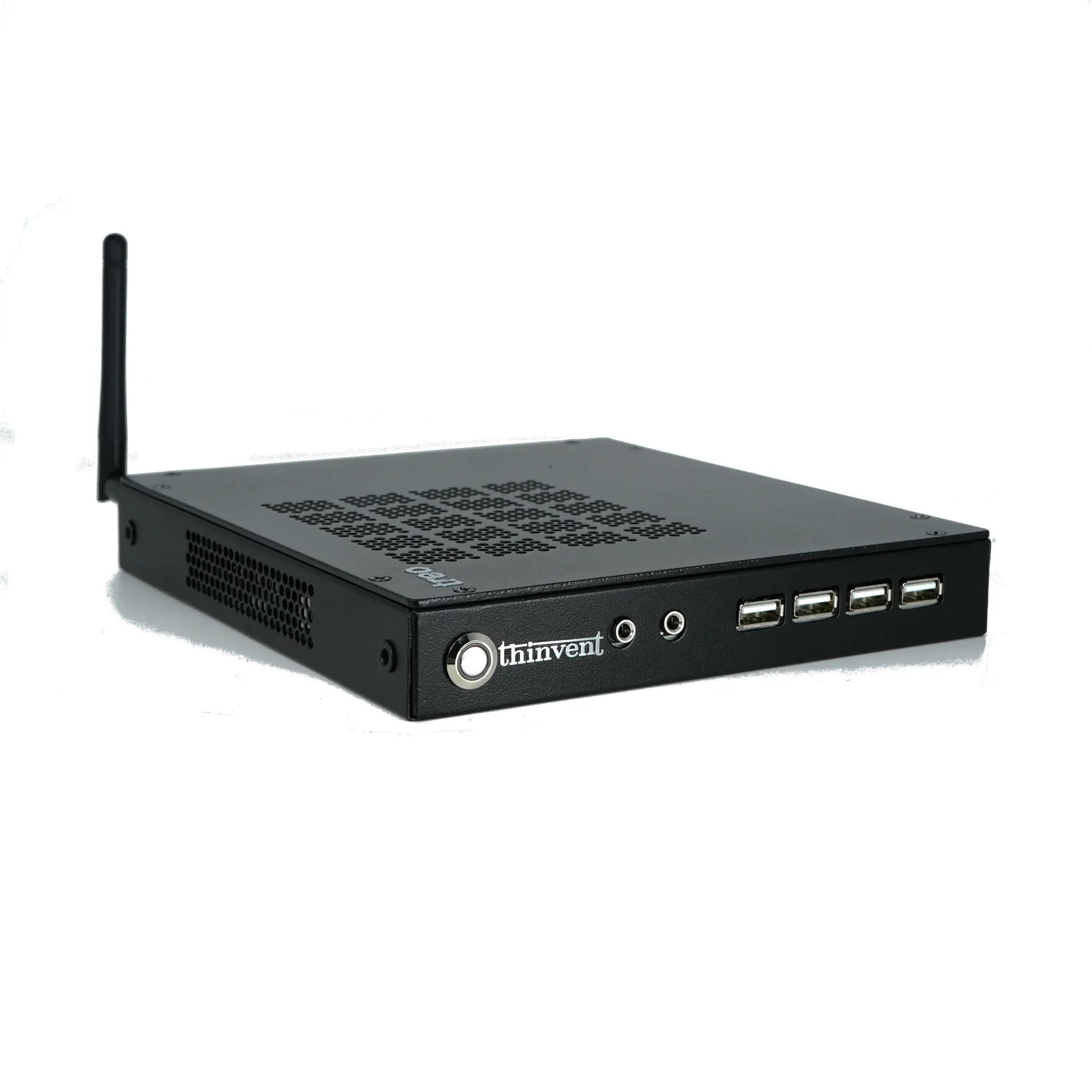
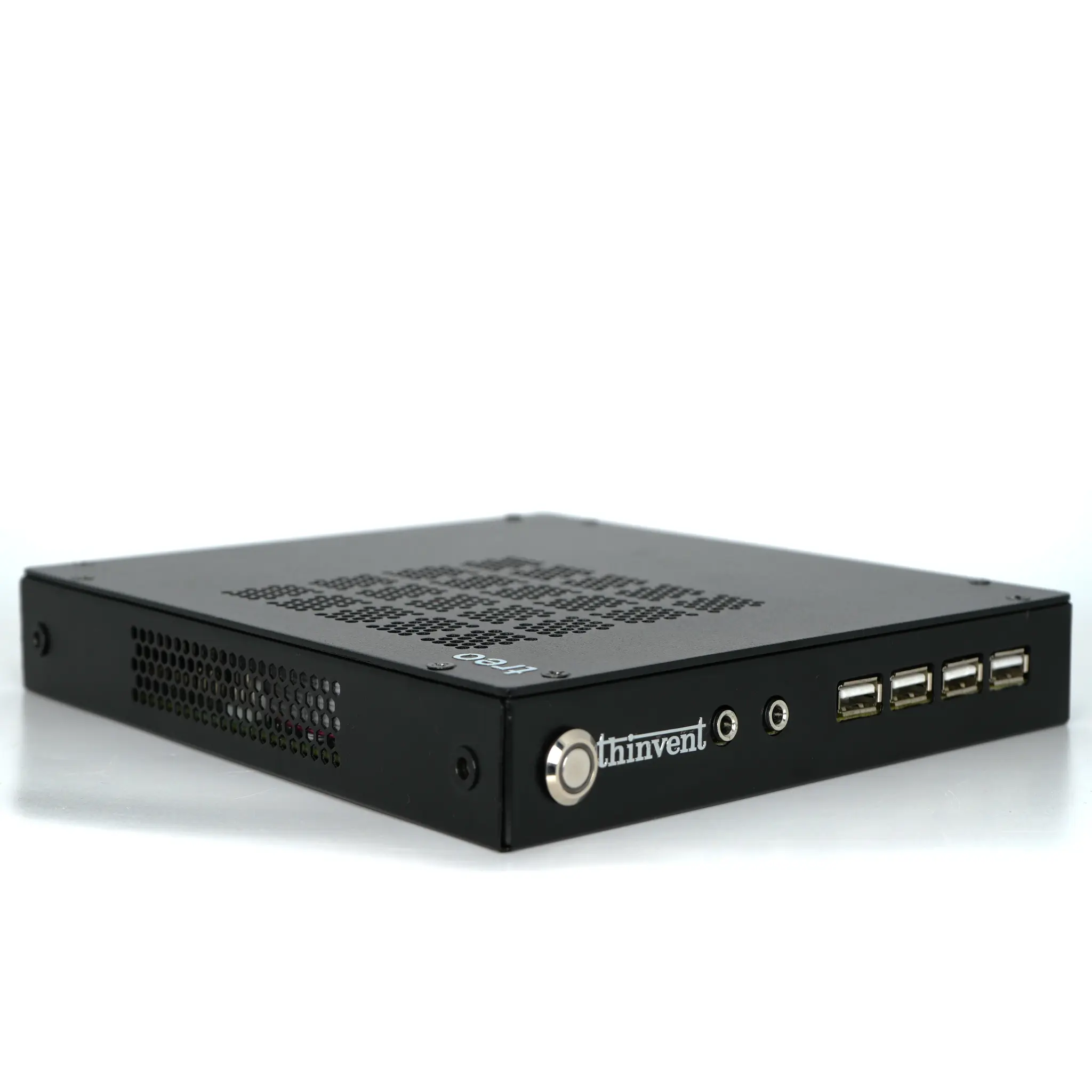
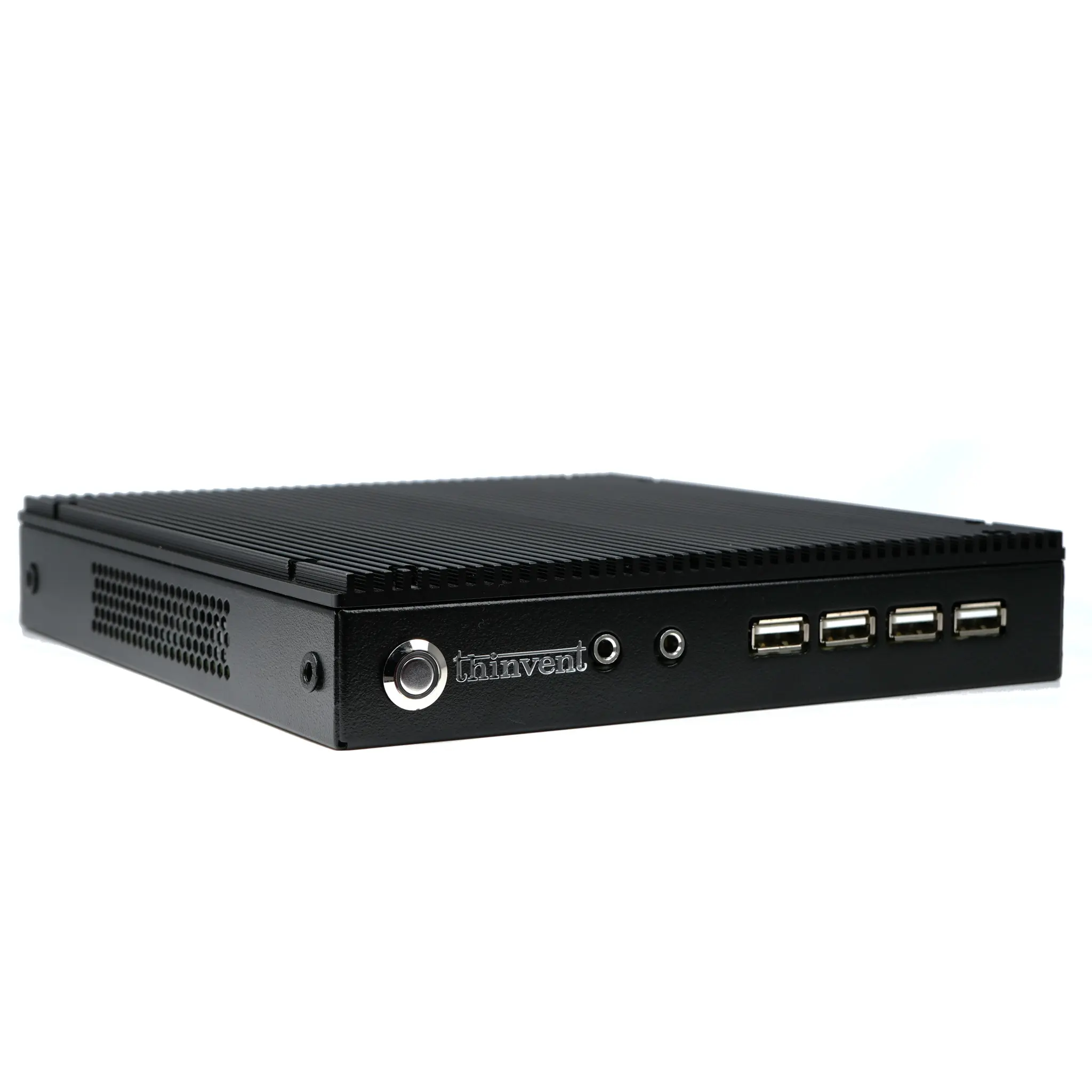
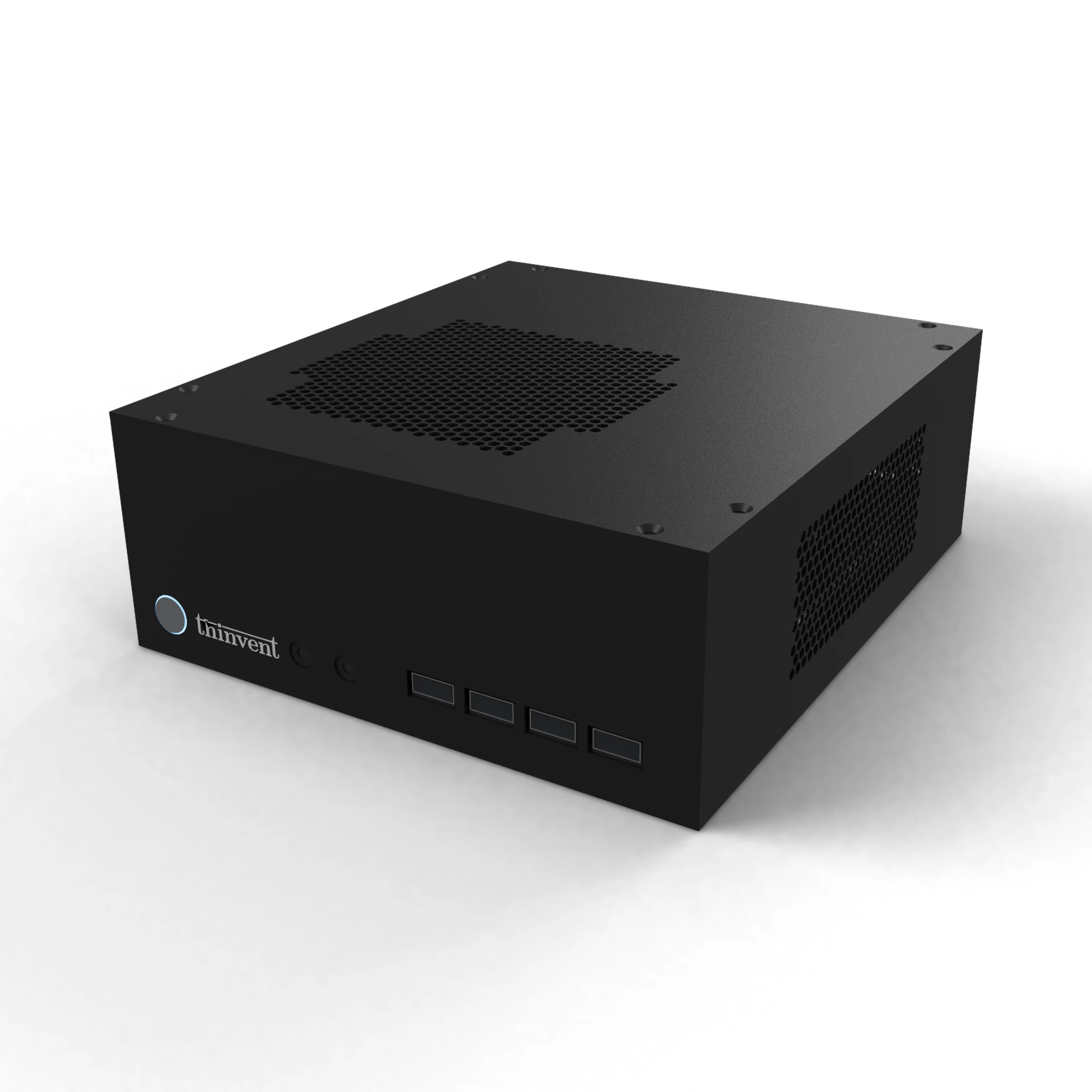
The Dell Wyse 5070 is a thin client designed for specific enterprise environments. Thinvent has the Neo S Thin Client as a comparable alternative, providing similar form factor and operating system flexibility with enhanced expandability options.
Dell Wyse 5070 vs Thinvent Neo S Thin Client
| Specification | Dell Wyse 5070 (N11D) | Thinvent Neo S Thin Client (SB-B-4_3-S32T_S32T-19_3-X-11P-0) |
|---|---|---|
| Processor | Celeron J4105 | Intel J1900 |
| Cores | 4 | 4 |
| RAM | Up to 8 GB | 4 GB |
| Storage | 16 GB eMMC / 32 GB eMMC + optional SSD | 32 GB SSD + 32 GB SSD |
| Form Factor | Thin Client | Thin Client |
| Operating System | ThinOS / Windows 10 IoTE | Windows 11 Pro (choose from: Windows 11 Pro, Windows 11 IoT, Ubuntu Linux, Thinux™ Embedded Linux, Without OS, DOS) |
| Ethernet ports | 1 | 1000 Mbps |
| Wireless | Not confirmed | No WiFi |
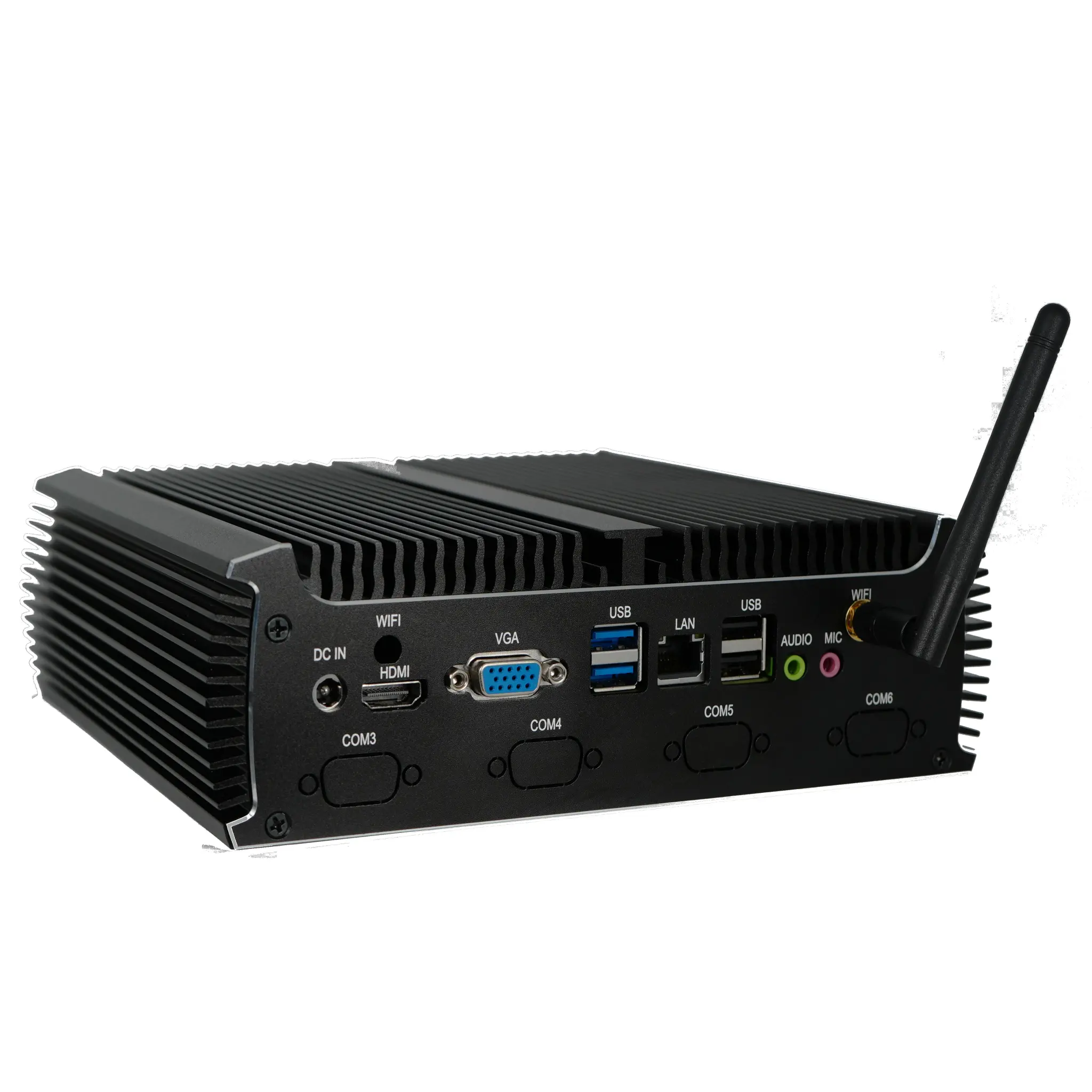
| Serial Ports | Not confirmed | 2 x RS232 |
| Parallel Ports | Not confirmed | 1 x IEEE 1284 |
| Operating Temp | Not confirmed | 0°C ~ 40°C |
Key differences
-
The Thinvent Neo S Thin Client has dual SSD storage with a total of 64GB, while the Dell Wyse 5070 has confirmed soldered eMMC options up to 32GB with an additional optional SSD.
-
The Thinvent Neo S Thin Client includes two RS232 serial ports and one IEEE 1284 parallel port, which are not confirmed for the Dell Wyse 5070.
-
The Thinvent Neo S Thin Client supports a wider range of operating systems, including Windows 11 Pro and various Linux distributions, in addition to Thinux™ Embedded Linux.
Which one should you choose?
The Dell Wyse 5070 is suitable for environments already standardized on Dell's ThinOS or specific Windows IoT deployments. The Thinvent Neo S Thin Client has greater flexibility with its dual SSD support, additional legacy ports, and a broader selection of operating systems, making it a versatile choice for diverse industrial and enterprise needs.