What Are Modern Thin Client Solutions?
A modern thin client is a lightweight, network-dependent computing device designed to connect to a centralized server or cloud environment where the primary processing and data storage occur. Unlike traditional desktop PCs, thin clients have minimal local hardware, relying on the server for applications, data, and security. This architecture is ideal for businesses seeking to streamline IT management, enhance security, and reduce total cost of ownership (TCO). The query "Dell Wyse Extended" refers to a legacy line of thin clients, and modern equivalents offer significantly improved performance, energy efficiency, and connectivity.
Key Specifications and Technical Details
Contemporary thin client solutions are built around efficient, low-power processors like the Intel N-series (e.g., N100), which provide ample performance for virtual desktop infrastructure (VDI) and cloud-based applications while maintaining fanless, silent operation. Standard configurations typically include 4-16GB of RAM and 128-512GB of SSD storage for the local operating system and caching. Essential connectivity includes multiple Gigabit Ethernet ports for reliable network access, along with HDMI, USB 3.2, and often USB-C for modern peripherals. They support a range of operating systems optimized for thin client use, including Windows IoT, specialized Linux distributions, and sometimes full Windows Pro for hybrid local/remote workloads.
Use Cases and Applications
Thin clients are deployed across various industries for centralized computing. Common applications include:
-
Corporate VDI: Providing secure, standardized desktops for office workers, call centers, and remote employees.
-
Healthcare: Accessing Electronic Health Records (EHR) systems from nursing stations and kiosks while ensuring patient data remains secured on central servers.
-
Education: Deploying in computer labs and libraries for cost-effective, easily managed student workstations.
-
Manufacturing & Retail: Running point-of-sale (POS) systems, digital signage, and inventory management terminals on the shop floor.
-
Financial Services: Enabling secure terminal access for banking and trading environments where data cannot reside on endpoint devices.
Comparison: Legacy vs. Modern Thin Clients
| Feature | Legacy Thin Clients (e.g., Wyse) | Modern Thin Client Solutions |
|---|---|---|
| Processor | Older, often dual-core Atom/Celeron | Modern, efficient Intel N-series (4+ cores) |
| Performance | Sufficient for basic terminal services | Capable of handling multimedia, multiple displays, and modern protocols |
| Form Factor | Often larger, with fans | Compact, fanless designs for silent operation |
| Connectivity | Legacy ports (VGA, USB 2.0) | Modern ports (HDMI 2.0, USB 3.2/Type-C, dual LAN) |
| Security | Software-based, end-of-life OS concerns | Hardware-enhanced security (TPM 2.0), regularly updated OS options |
| Management | Proprietary management suites | Support for modern, open standards and cloud management |
Thinvent's Modern Thin Client & Mini PC Range
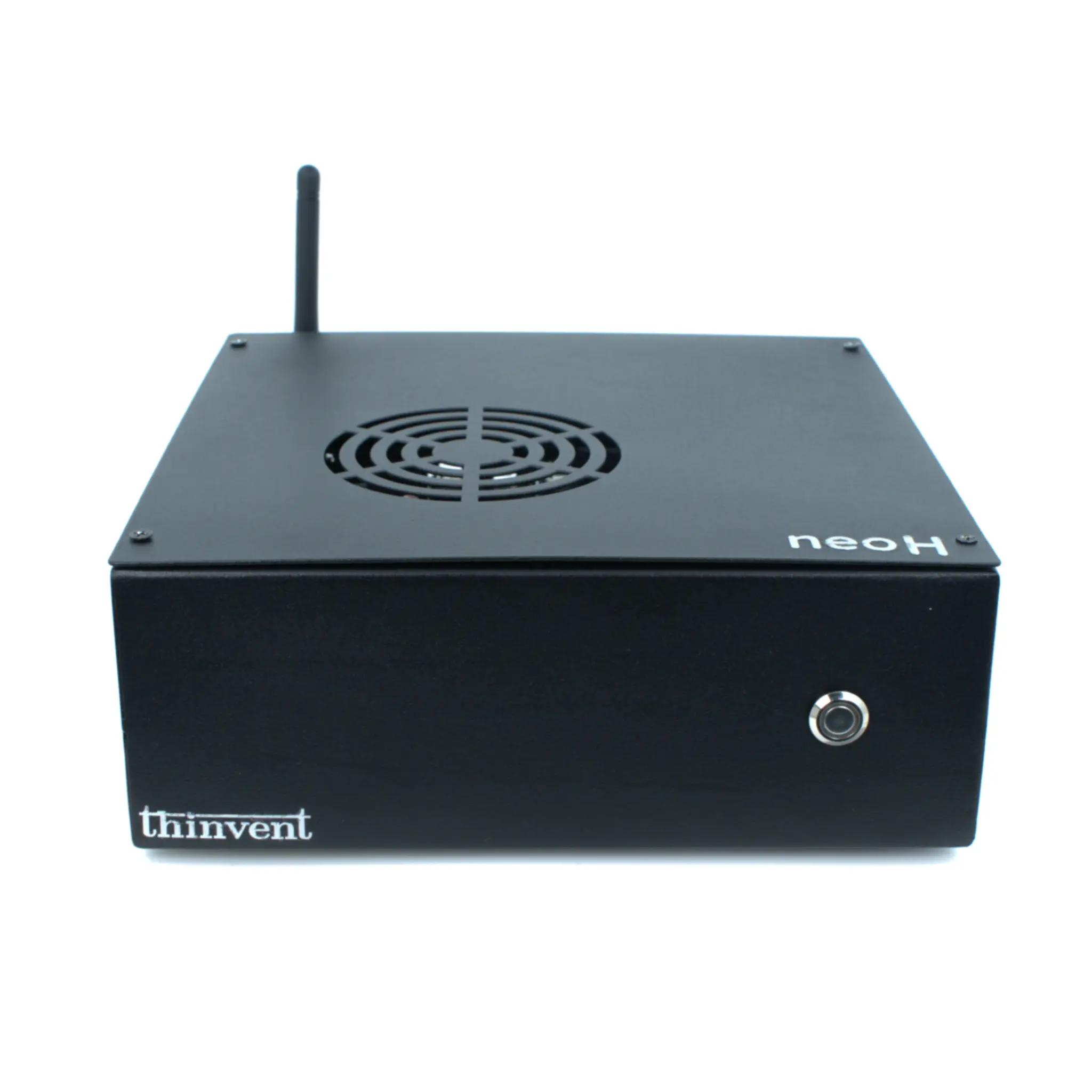
Thinvent offers a robust portfolio of industrial-grade mini PCs and thin clients that serve as powerful, reliable replacements for aging hardware like the Dell Wyse series. Our Aero Mini PC line, for example, features the efficient Intel N100 processor in a compact, fanless chassis, making it an ideal candidate for VDI and centralized computing environments. These devices provide the durability, wide operating temperature tolerance, and long-term availability required for commercial and industrial deployments. With configurable memory, storage, and operating system options—including Windows IoT, Linux, and Windows Pro—Thinvent solutions can be tailored to precisely match your legacy replacement or new deployment needs, ensuring a seamless transition to a modern, manageable IT infrastructure.