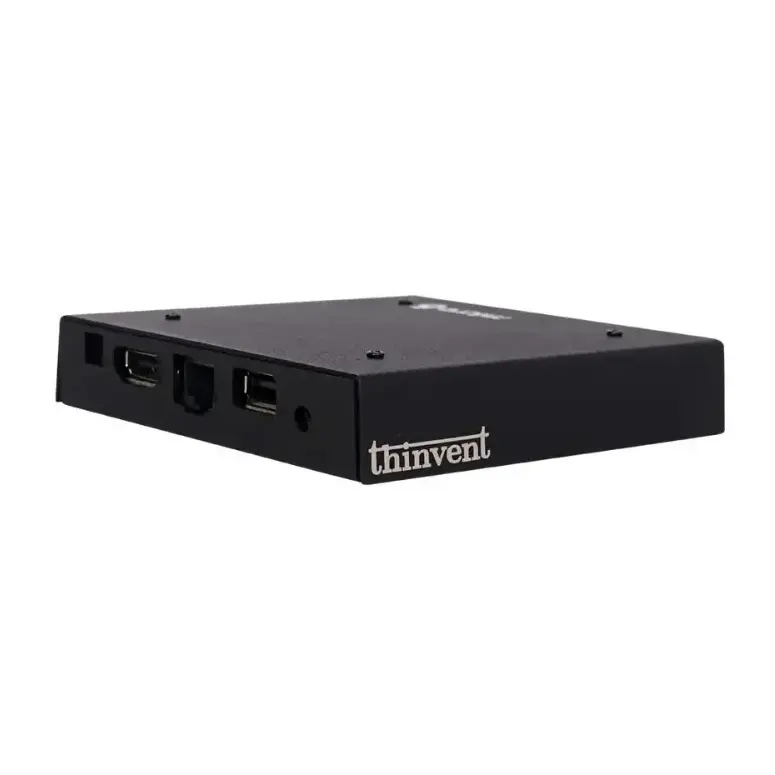
What Are Compact Desktop Computers?
Compact desktop computers, also known as mini PCs or small form factor (SFF) desktops, are space-efficient computing solutions designed to deliver robust performance while occupying minimal desk or workspace. Unlike traditional tower PCs that take up significant room, these systems typically measure just a few inches in each dimension and can be mounted behind monitors, under desks, or in tight enclosures. They are ideal for environments where space is at a premium, such as home offices, retail kiosks, digital signage, and industrial control rooms.
Key Specifications and Technical Details
Compact desktop computers vary widely in processing power, but modern models offer impressive performance for their size. Entry-level units often feature Intel N-series processors like the N100 (4 cores, up to 3.4 GHz) or ARM Cortex-A53/A55 chips (4 cores, up to 2.0 GHz), providing sufficient power for web browsing, office productivity, and light multitasking. Mid-range options use Intel Core i3-1215U (6 cores, up to 4.4 GHz) or i5-1240P (12 cores, up to 4.4 GHz) processors, handling more demanding applications like software development, data analysis, and multimedia editing. High-end models incorporate Intel Core 5 120U (10 cores, up to 5.0 GHz) processors for intensive workloads.
Memory configurations range from 2 GB to 32 GB of RAM, and storage options include eMMC (16–64 GB) or faster SSDs (128–512 GB). Connectivity typically features HDMI, USB 3.2, Ethernet, and WiFi, with some models offering dual-band WiFi or multiple display outputs. Power consumption is notably low—often under 60W—making these systems energy-efficient and suitable for always-on operation.
Use Cases and Applications
Compact desktop computers excel in a variety of settings where space constraints and reliability are critical. In home and small offices, they serve as silent, low-power workstations for tasks like email, document editing, and video conferencing. For digital signage and kiosks, their small footprint allows discreet integration into displays or enclosures, running content management software 24/7. In industrial environments, fanless models (e.g., Thinvent's Industrial PC series) withstand dust, vibration, and temperature extremes for automation, data collection, and machine control. Education and healthcare also benefit from these systems for computer labs, patient check-in stations, and telehealth setups.
| Use Case | Recommended Specs | Example Thinvent Model |
|---|---|---|
| Home office / web browsing | Intel N100, 4 GB RAM, 128 GB SSD | Treo Mini PC |
| Digital signage / kiosk | ARM Cortex A55, 4 GB RAM, 64 GB eMMC | Micro 6 Pro |
| Industrial automation | Intel i3-1215U, 8 GB RAM, 256 GB SSD | Industrial PC IPC3 |
| Software development | Intel i5-1240P, 16 GB RAM, 512 GB SSD | Industrial PC IPC5 |
Thinvent's Compact Desktop Solutions
Thinvent offers a comprehensive range of compact desktop computers tailored to diverse performance and space needs. From the ultra-efficient Micro series with ARM processors for basic tasks to the powerful Aero Mini PCs with Intel Core i5 and i7 options for demanding workloads, each model emphasizes reliability, low power consumption, and flexible mounting. The Industrial PC line provides ruggedized, fanless designs for harsh environments, while the Treo Mini PCs balance performance and affordability for general-purpose use. All systems are backed by Thinvent's commitment to quality and global support, ensuring a perfect fit for any space-saving application.