What Determines the Price of a Desktop Computer?
The price of a desktop computer is shaped by four main building blocks: the processor, memory, storage, and the chassis that houses them. Entry-level desktops typically pair a low-power Intel® Celeron® or N-series processor with 4–8 GB of RAM and a small SSD, which suits browsing, billing counters, and basic office work. Mid-range systems step up to Intel® Core™ i3 or i5 processors with 16 GB of RAM and 512 GB–1 TB of storage, handling multitasking, databases, and light design work comfortably. At the top end, higher-core processors, 32–64 GB of memory, and larger NVMe storage raise the cost further. Beyond raw components, the enclosure matters: a rugged, fanless industrial chassis with wide-temperature support and surge protection costs more than a plastic consumer tower, but it survives years of dust, heat, and 24×7 operation.
Desktop Form Factors and What They Cost You
| Form Factor | Typical Use | What Drives Cost |
|---|---|---|
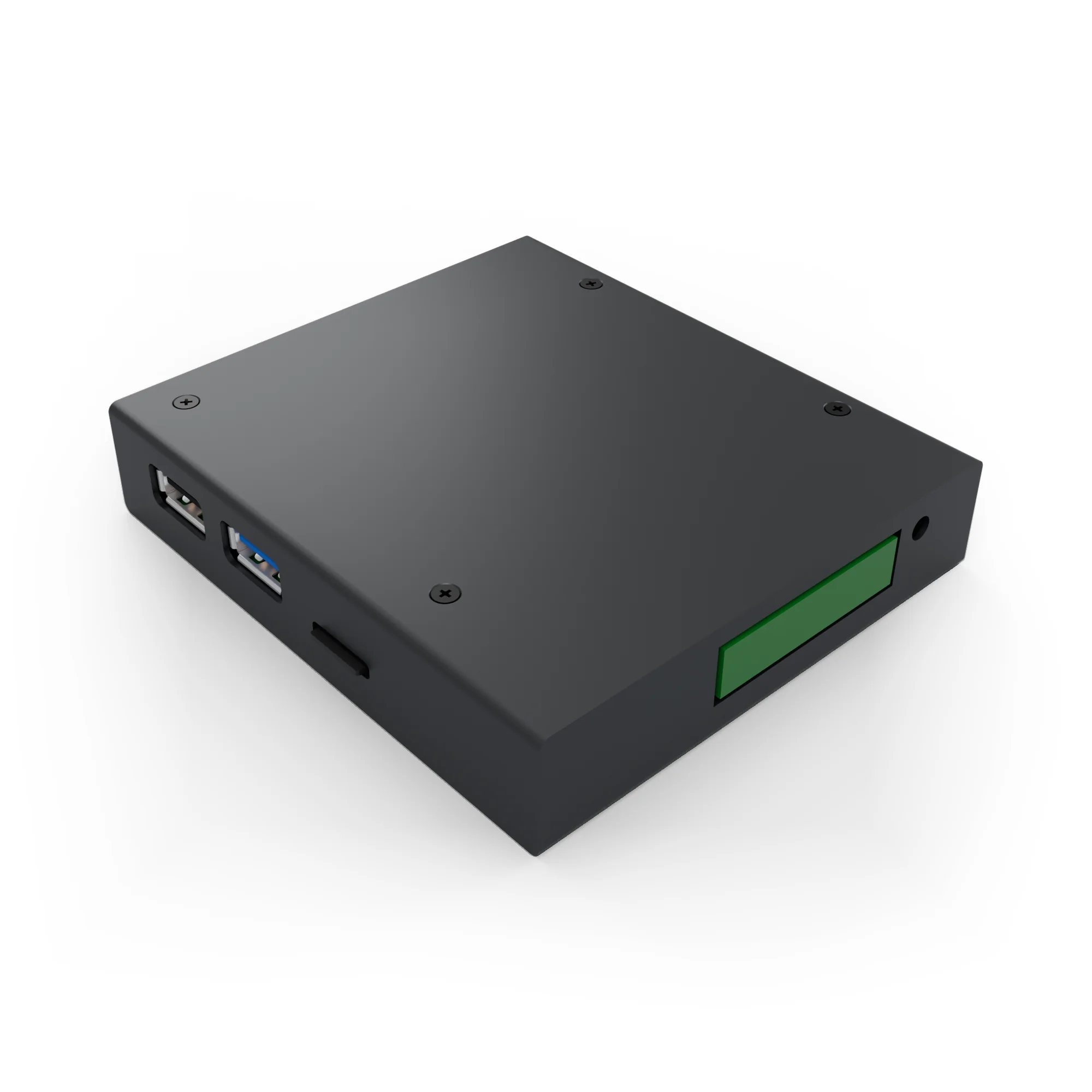
| Mini PC | Office desks, kiosks, digital signage | Compact chassis, low-power CPU, fanless design |
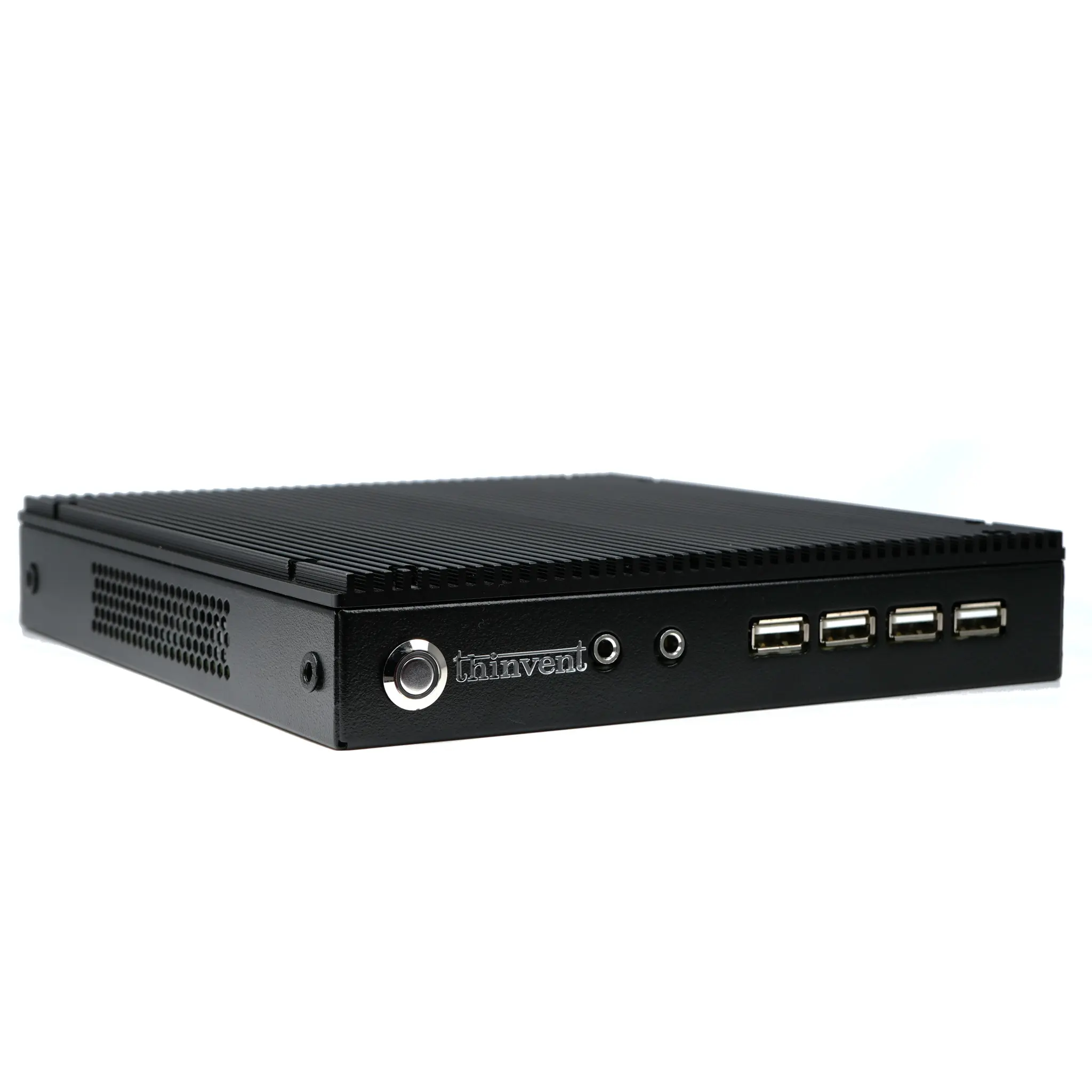
| Thin Client | VDI, call centres, ERP access | Minimal local storage, centralised management |
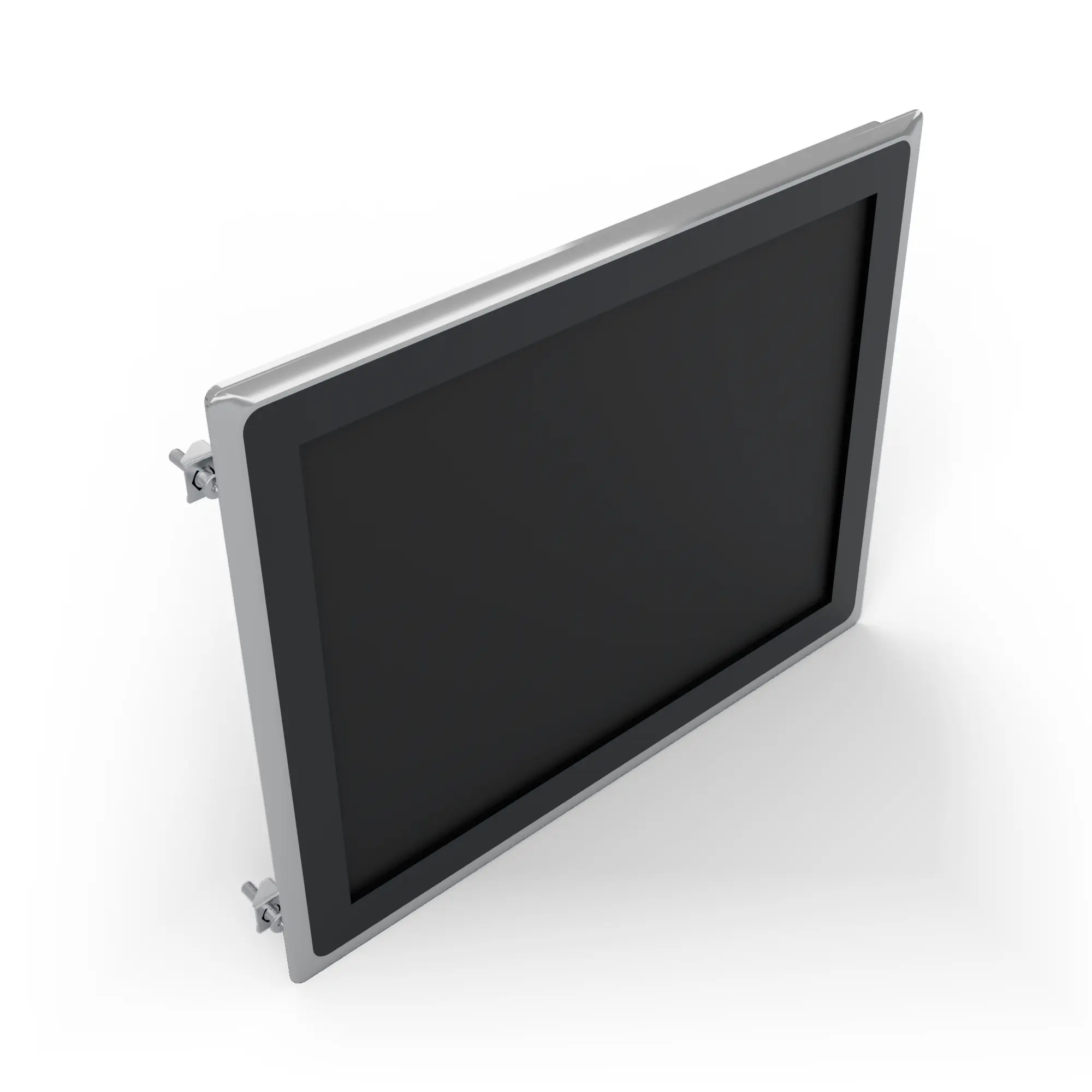
| All-in-One PC | Reception, retail counters, classrooms | Integrated display, cable-free setup |
| Industrial PC | Factory floors, SCADA, machine control | Rugged enclosure, wide voltage input, serial ports, fanless cooling |
A practical rule: spend on the processor generation and RAM first, since these decide how long the machine stays useful. Storage is the cheapest upgrade later. For industrial deployments, budget for the enclosure and I/O rather than raw clock speed — a fanless system with dual Ethernet, multiple serial ports, and a wide-input power adapter usually costs more than a consumer mini PC of similar compute, because it is built to run unattended for years.
Matching Specifications to Your Workload
For point-of-sale, reception, and document work, a 4-core Intel® processor with 8 GB RAM and a 128–256 GB SSD is sufficient and keeps costs low. For ERP, accounting, and multi-tab browser workloads, a 6-core Intel® Core™ i3 such as the i3-1215U (up to 4.4 GHz, 10 MB cache) with 16 GB DDR4 and a 512 GB–1 TB SSD gives noticeably smoother performance. Engineering, CCTV analytics, and multi-display control rooms benefit from 10–12 core i5-class processors and 32 GB or more memory. Operating system choice also affects the total: Windows 11 Pro adds licensing cost, while FreeDOS, Ubuntu Linux 24.04 LTS, or an embedded Linux build reduces it — and often suits kiosks and appliances better.
Why Fanless and Industrial Designs Cost More — and Save More
Fanless desktop computers remove the single most common failure point in dusty or hot environments. With no moving air path, no filters to clean, and no fan bearings to seize, maintenance drops sharply. Industrial models add wide-range DC inputs, isolated serial ports (RS-232/485), dual Gigabit Ethernet, watchdog timers, and DIN or wall mounting. The purchase price is higher than a consumer tower, but the total cost of ownership over a five-year deployment is usually lower because there are fewer service visits, no downtime from clogged cooling, and no need for air-conditioned cabinets. For warehouses, plant floors, and outdoor kiosks, this trade-off almost always pays back within the first year.
Choosing Between Mini PC, Thin Client, and Industrial PC
If your applications run locally and you need a small footprint, a mini PC is the most cost-effective choice. If your computing happens on a server and the desk only needs a reliable access terminal, a thin client lowers both purchase and management cost. If the machine must sit on a machine tool, in a control panel, or beside a conveyor, an industrial PC is the right answer regardless of price difference. Many organisations mix all three: thin clients at desks, mini PCs in branch offices, and industrial PCs on the production line, all managed under one image.
Thinvent's Range of Desktop Computers
Thinvent manufactures industrial computers, mini PCs, thin clients, and all-in-one PCs built for continuous operation. Our industrial IPC3 series, for example, pairs an Intel® Core™ i3-1215U processor (6 cores, up to 4.4 GHz, 10 MB cache) with 16 GB DDR4 RAM and a 1 TB SSD, and is available with Windows 11 Pro, Windows 11 IoT, DOS, or Thinux™ embedded Linux — plus optional quad DB9 serial ports for legacy equipment. Whether you need a compact fanless mini PC for a shop floor or a full all-in-one for a reception desk, Thinvent offers configurations across Intel® and ARM platforms, with worldwide availability and long-lifecycle supply.