Desktop CPU Performance and Pricing Explained
Desktop CPU performance and pricing are determined by several key factors, including core count, clock speed, cache size, architecture, and power efficiency. For industrial and embedded computing, the choice extends beyond raw performance to include reliability, thermal design, and long-term availability. This guide breaks down the primary considerations when selecting a CPU for business and industrial applications.
Key Specifications and Their Impact
The core specifications that define a CPU's capability are its core count, clock speed (frequency), and cache memory. More cores allow for better multitasking and parallel processing, which is crucial for digital signage, kiosks, and light server applications. Higher clock speeds (measured in GHz) improve the speed of single-threaded tasks, benefiting general office productivity and point-of-sale systems. Larger cache sizes (L2/L3, measured in MB) allow the CPU to store more data close to the cores, reducing latency and improving overall responsiveness. For example, an Intel Core i5-1240P with 12 cores and a 4.4 GHz turbo frequency is suited for demanding tasks, while an ARM Cortex A55 with 4 cores at 1.9 GHz is ideal for lightweight, fanless thin clients.
Use Cases and Application Matching
Matching the CPU to the application is essential for cost-effectiveness and system longevity.
-
Basic Computing & Thin Clients: For web-based applications, virtual desktop infrastructure (VDI) terminals, and digital signage players, energy-efficient ARM processors (like the Cortex A53/A55) or Intel's low-power N-series (e.g., N100) are ideal. They offer fanless operation, low heat output, and minimal power consumption.
-
General Office & Industrial PCs: For standard office suites, database access, and industrial HMIs, mid-range processors like the Intel Core i3-1215U (6 cores) provide an excellent balance of performance and efficiency.
-
High-Performance Workstations: For CAD/CAM, video analytics, edge computing servers, and advanced multi-tasking, higher-tier CPUs like the Intel Core i5-1240P (12 cores) or the latest Core 5 120U (10 cores, up to 5.0 GHz) deliver the necessary power.
CPU Comparison for Industrial Computing
The table below compares common CPU types found in industrial and embedded systems:
| Processor Type | Example Model | Cores / Threads | Max Frequency | Typical Use Case | Key Advantage |
|---|---|---|---|---|---|
| ARM Cortex | Cortex A55 | 4 Cores | Up to 1.9 GHz | Thin Clients, Digital Signage | Ultra-low power, fanless, cost-effective |
| Intel N-Series | Processor N100 | 4 Cores / 4 Threads | Up to 3.4 GHz | Mini PCs, Lightweight Kiosks | Excellent performance-per-watt, fanless designs |
| Intel Core i3 | i3-1215U | 6 Cores / 8 Threads | Up to 4.4 GHz | Office PCs, Industrial HMIs | Strong single-core performance, good value |
| Intel Core i5 | i5-1240P | 12 Cores / 16 Threads | Up to 4.4 GHz | Workstations, Edge Servers | High multi-core performance for demanding tasks |
Thinvent Products Featuring These CPUs
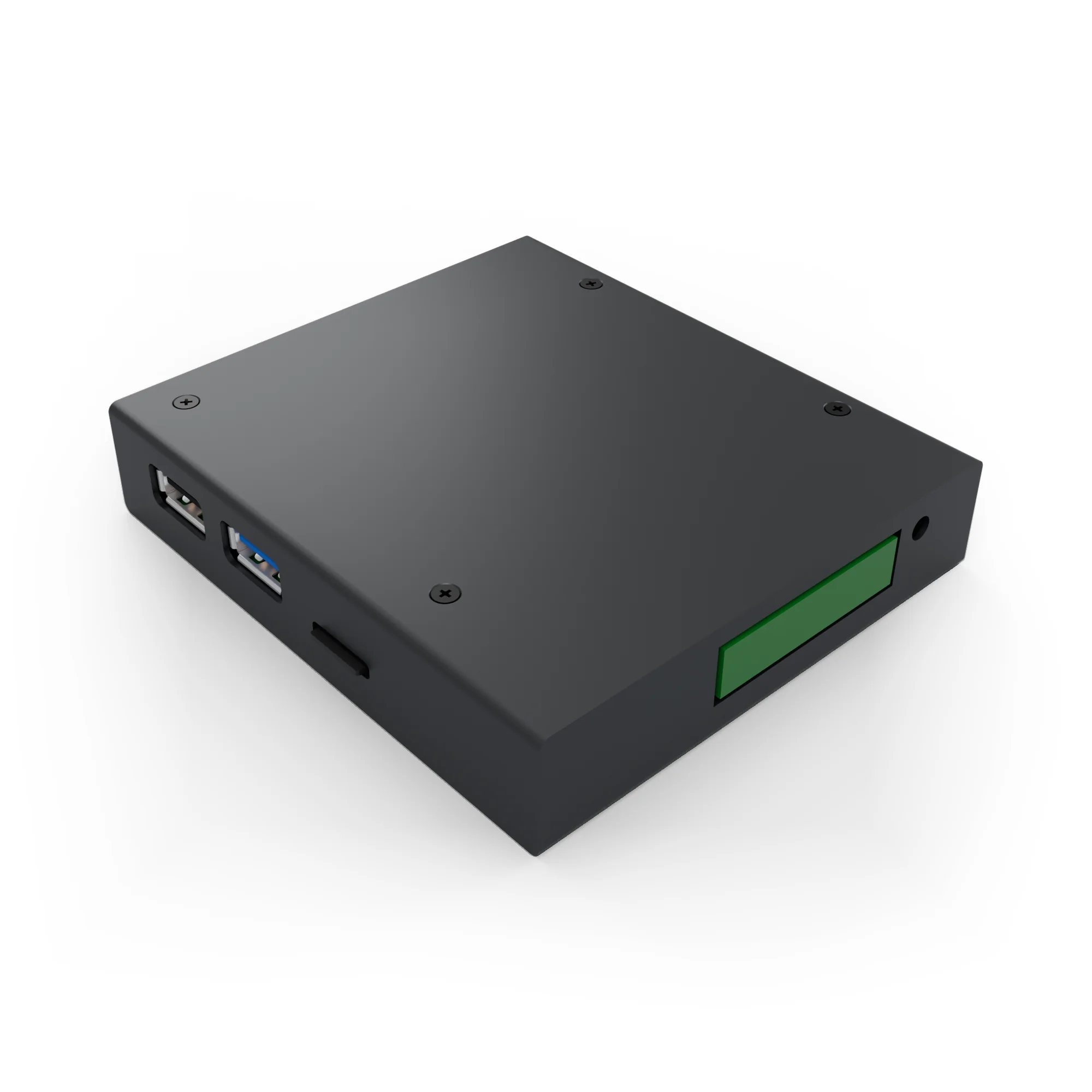
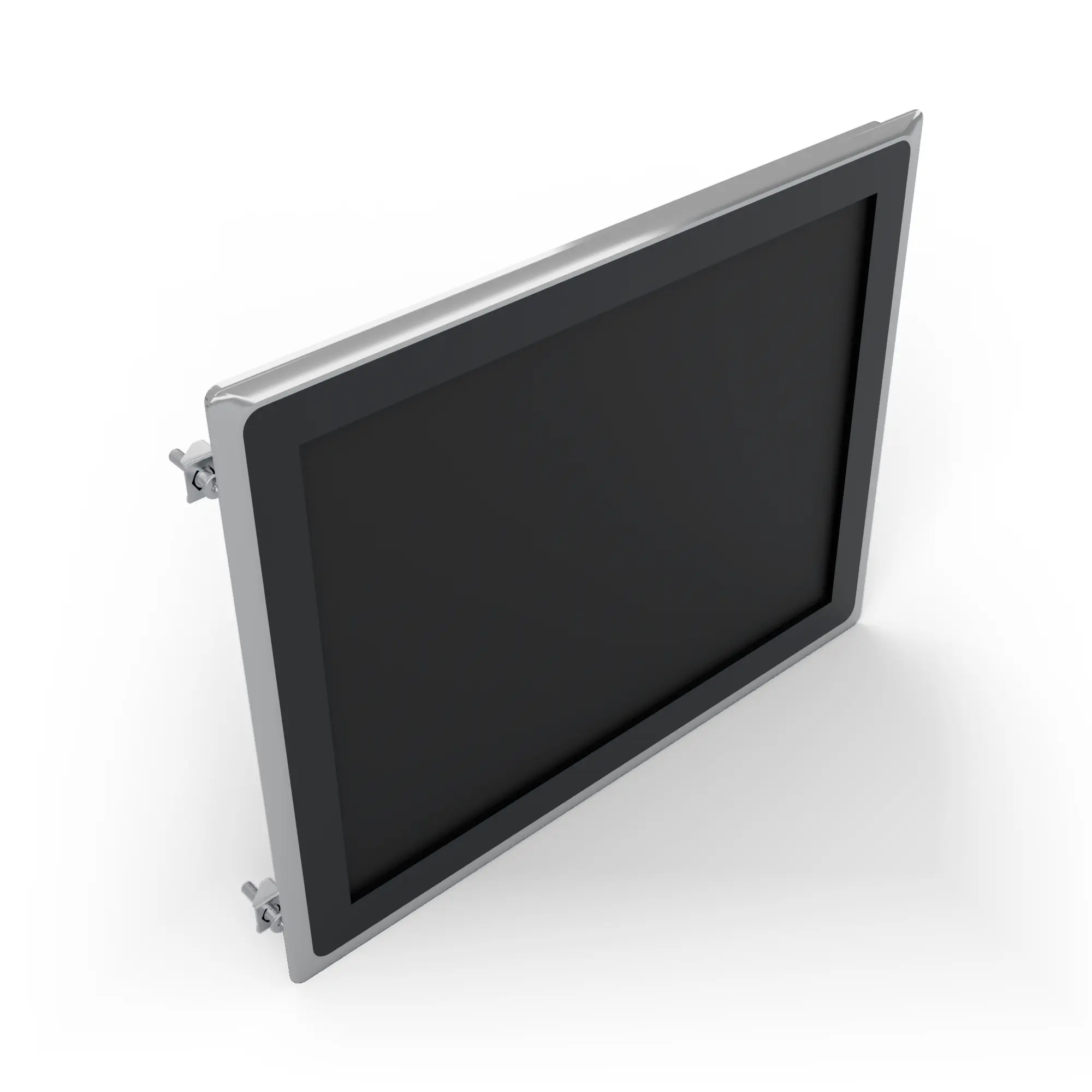
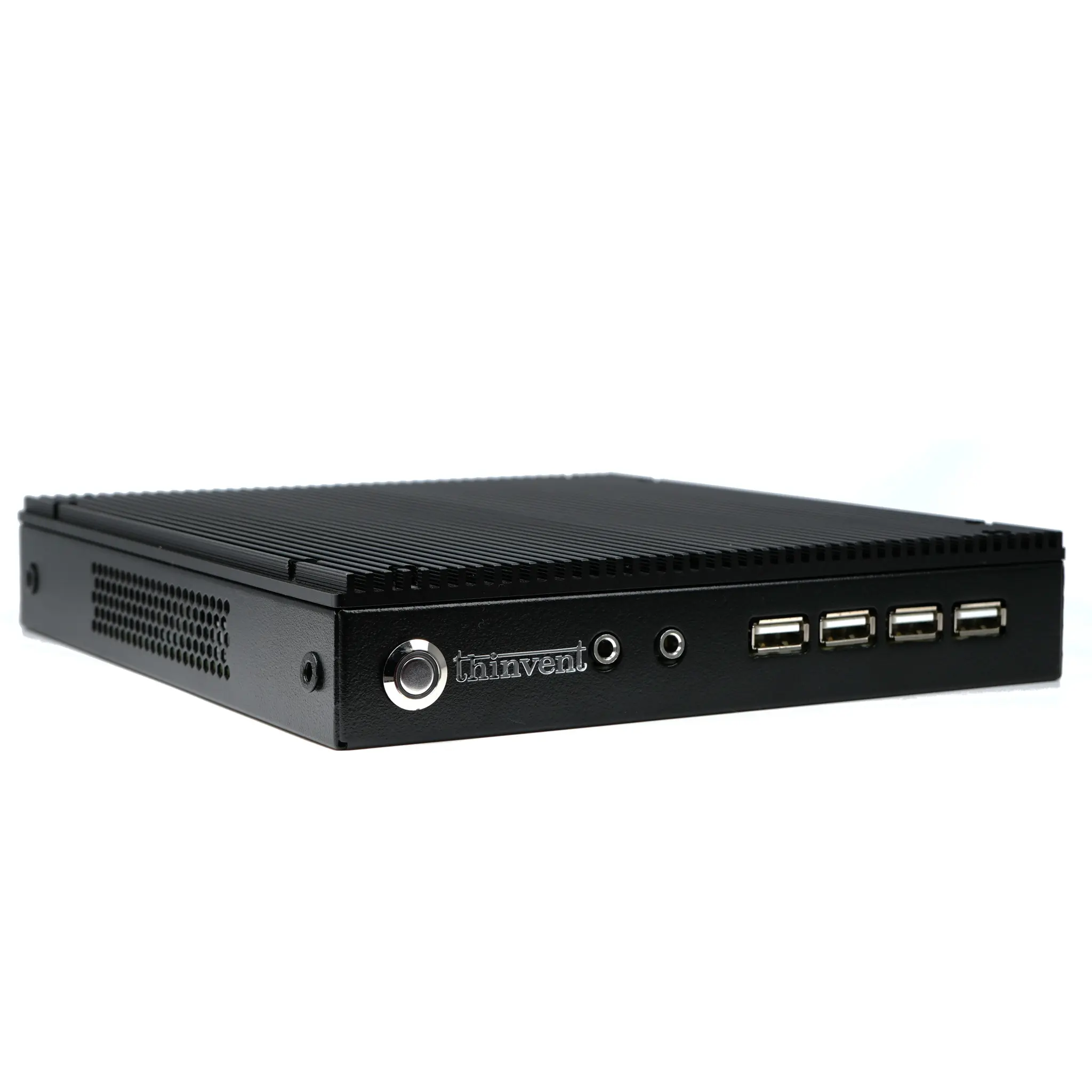
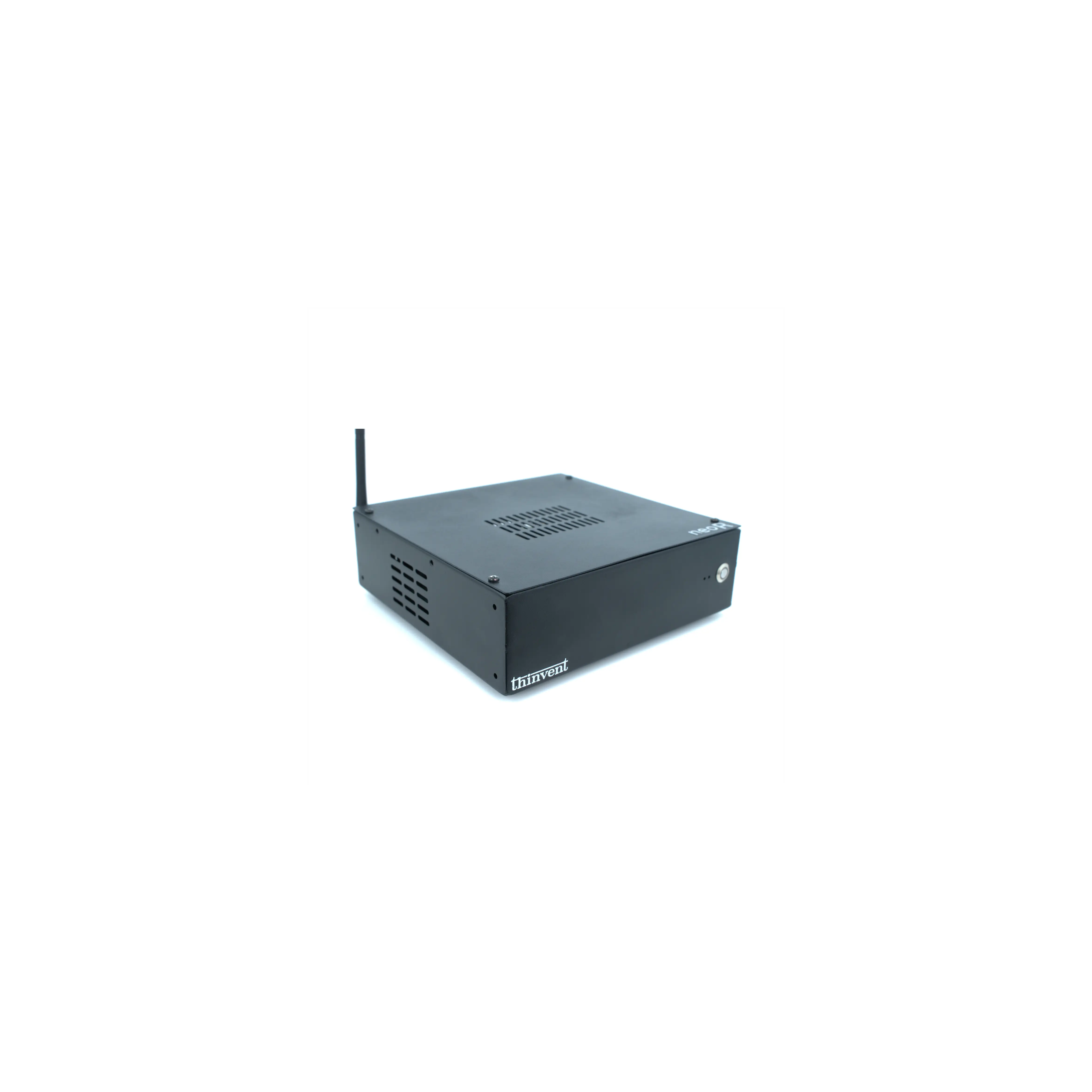
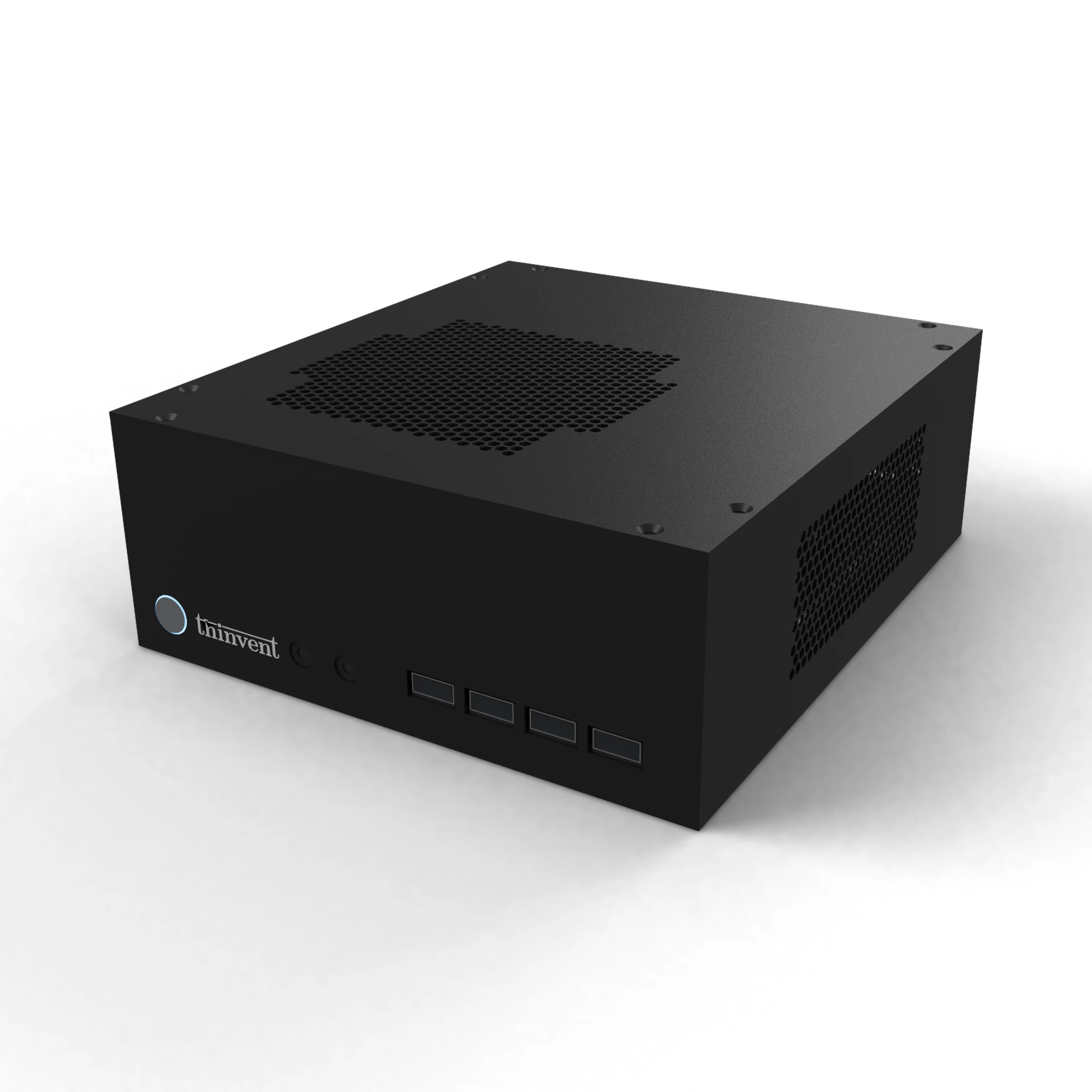
Thinvent offers a comprehensive range of industrial computers, mini PCs, and thin clients that incorporate the CPUs discussed, providing solutions for every performance tier. Our Micro series thin clients utilize efficient ARM processors for secure, reliable, and silent operation in VDI and kiosk environments. For versatile mini PC applications, the Treo and Aero series feature Intel N100, Core i3, and the latest Core 5 processors, balancing performance with compact, robust form factors. For the most demanding industrial automation and edge computing tasks, our IPC series industrial PCs are equipped with powerful Intel Core i5 and i7 processors, designed for 24/7 operation in challenging environments. Each product is built with industrial-grade components, ensuring long-term reliability and stability for global deployments.