What is a Desktop Computer?
A desktop computer is a personal computing system designed for a permanent location, typically on or under a desk. Unlike laptops, they consist of separate components: a system unit (tower or compact case), monitor, keyboard, and mouse. Modern desktops offer superior performance, easier upgradability, and better cooling for demanding tasks compared to mobile devices. For industrial and business environments, desktops provide a stable, reliable, and cost-effective computing platform.
Key Specifications and Technical Details
Modern industrial desktops prioritize reliability, energy efficiency, and compact designs. Key specifications include:
-
Processor: Ranges from efficient Intel Celeron and N-series CPUs for basic tasks to powerful Intel Core i3, i5, and i7 processors for intensive applications.
-
Memory (RAM): Typically 4GB to 64GB DDR4 or DDR5, crucial for multitasking and running complex software.
-
Storage: Options include fast Solid State Drives (SSDs) from 128GB to 2TB for the operating system and applications, often paired with larger Hard Disk Drives (HDDs) for data.
-
Form Factor: Includes traditional towers, compact Mini PCs, and space-saving All-in-One (AIO) units that integrate the computer into the monitor.
-
Connectivity: Essential ports include multiple USB (2.0, 3.2, Type-C), HDMI/DisplayPort for monitors, Gigabit Ethernet, and often legacy serial or parallel ports for industrial equipment.
-
Cooling: Many industrial models feature fanless, sealed designs for silent operation and protection against dust in harsh environments.
Use Cases and Applications
Desktop computers are versatile and serve numerous roles:
-
Office Productivity: The backbone of corporate environments for word processing, spreadsheets, email, and video conferencing.
-
Industrial Automation: Controlling machinery, running SCADA systems, and data acquisition on factory floors.
-
Digital Signage & Kiosks: Powering interactive displays, information points, and self-service terminals in retail and public spaces.
-
Thin Client & VDI: Acting as endpoints to access virtualized desktops and applications hosted on central servers.
-
Home & Entertainment: Media centers, gaming rigs, and family computers for education and entertainment.
Desktop Computer Comparison
| Feature | Traditional Tower | Compact Mini PC | All-in-One (AIO) |
|---|---|---|---|
| Size | Largest, requires separate space | Very small, can be mounted behind a monitor | Integrated with screen, minimal footprint |
| Performance | Highest, with room for powerful components and upgrades | Good for general computing; limited upgradeability | Similar to Mini PC; performance varies by model |
| Cooling | Excellent airflow for high-performance parts | Often fanless for silent, reliable operation | Integrated cooling; can be limited |
| Use Case | High-end workstations, gaming, servers | Space-constrained offices, digital signage, kiosks | Reception desks, modern offices, retail |
Thinvent's Range of Desktop Solutions
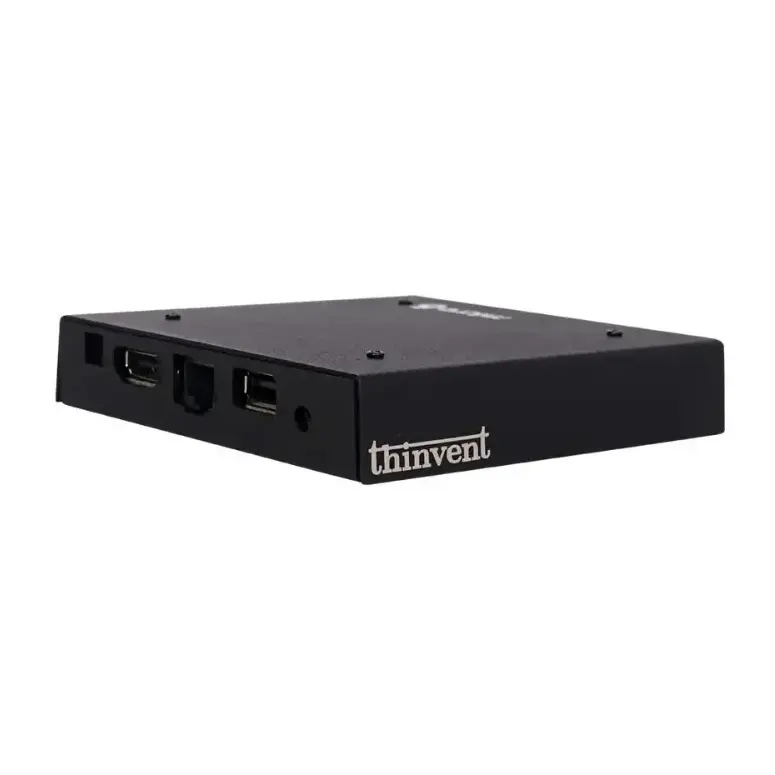
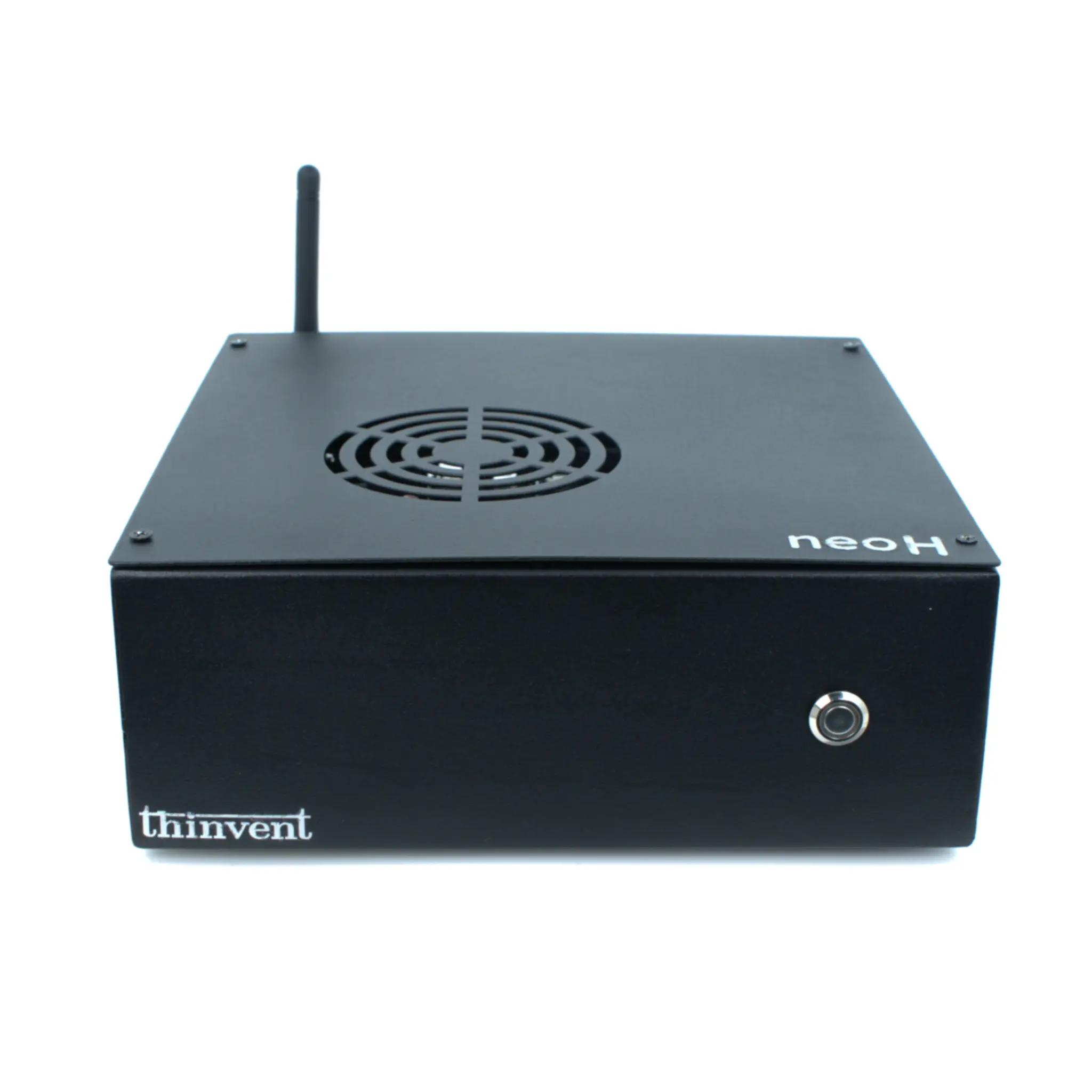
Thinvent offers a robust portfolio of industrial-grade desktop computers engineered for reliability. Our product lines include the Aero Series of ultra-compact, fanless Mini PCs, perfect for embedded and space-sensitive applications. For more demanding computational tasks, our industrial PCs feature higher-performance Intel Core processors. We also provide All-in-One solutions with integrated displays for a clean, professional setup. Every Thinvent desktop is built with industrial components, wide temperature tolerance, and long-term availability to ensure your operations run smoothly for years.