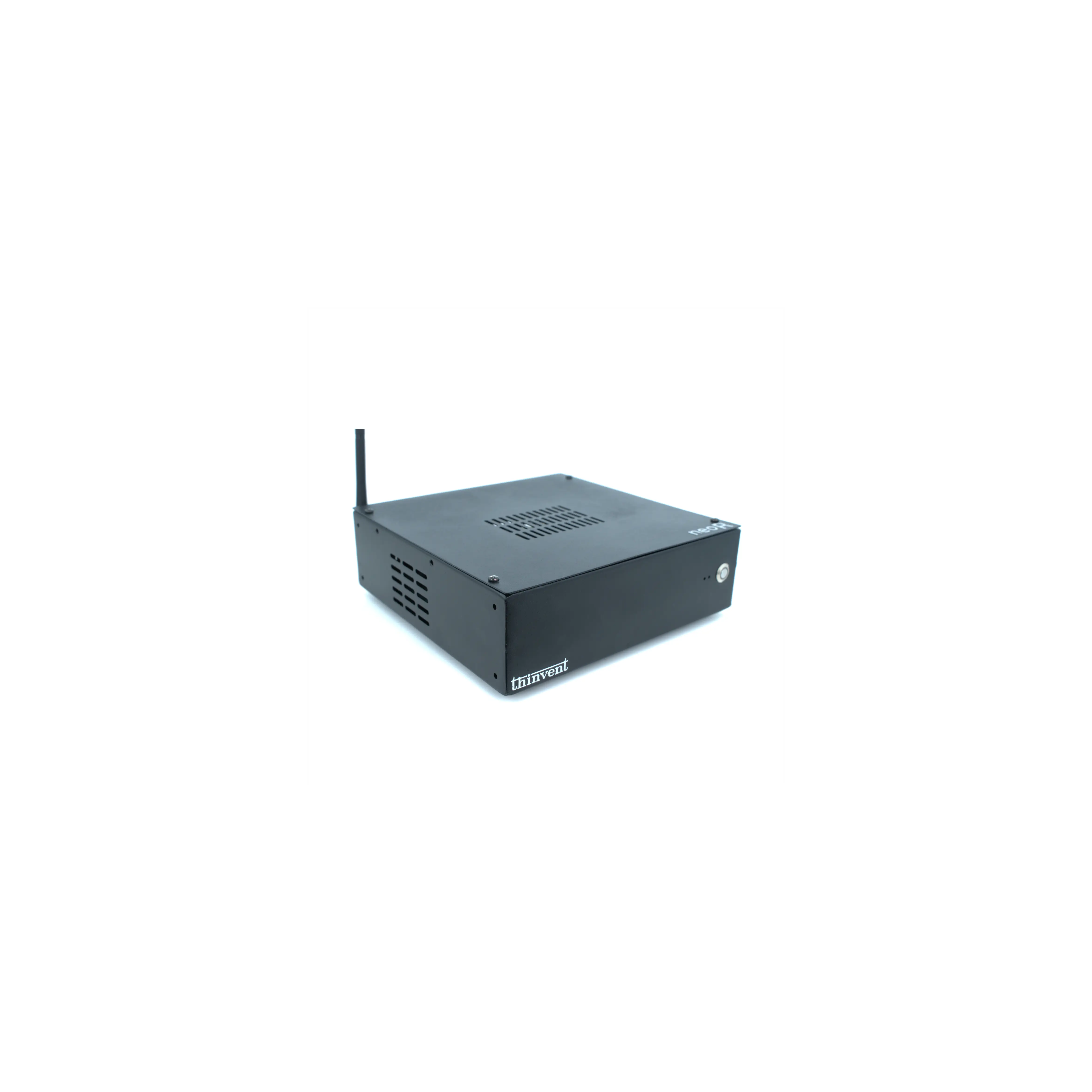
A dual-core processor is a central processing unit (CPU) with two independent cores on a single chip, allowing it to handle multiple tasks more efficiently than a single-core processor. While modern industrial computing has largely moved to quad-core and higher configurations for demanding applications, dual-core processors remain highly relevant for specific, cost-sensitive, and power-efficient embedded systems. These processors provide a balance of sufficient processing power for dedicated tasks while maintaining low thermal design power (TDP), which is critical for fanless, rugged designs.
Key Specifications and Technical Details
Dual-core CPUs are characterized by their core count, base and turbo frequencies, cache size, and integrated graphics. Common technical specifications include:
-
Core Count: 2 physical cores. Some modern architectures also support hyper-threading, allowing each core to handle two threads, effectively presenting as 4 logical processors to the operating system.
-
Clock Speed: Typically ranges from 1.0 GHz to 3.0+ GHz, balancing performance with power consumption.
-
Thermal Design Power (TDP): Often between 6W and 15W, making them ideal for passive cooling solutions.
-
Architecture: Found in various Intel series like older Celeron and Pentium processors, as well as in certain ARM-based solutions.
Use Cases and Applications
Dual-core industrial computers are deployed in environments where reliability, low power draw, and cost are primary concerns over raw computational throughput. Common applications include:
-
Digital Signage & Kiosks: Powering menu boards, information displays, and interactive kiosks.
-
Thin Clients & VDI: Acting as endpoints for virtual desktop infrastructure, where processing is handled server-side.
-
IoT Gateways: Collecting and transmitting data from sensors in industrial IoT networks.
-
Lightweight Process Control: Managing simple HMI (Human-Machine Interface) tasks and basic automation.
-
Embedded Systems in Transportation: Used in in-vehicle infotainment or telematics systems.
Thinvent Products Featuring Efficient Processors
While Thinvent's modern portfolio emphasizes higher-core-count processors like the Intel N100 (4 cores) for enhanced performance, we understand the need for tailored solutions. Our engineering expertise allows us to develop industrial computers based on a wide range of processor architectures to meet specific project requirements, including those where a dual-core configuration is optimal for power efficiency and cost. We offer robust, fanless Mini PCs and Thin Clients built for 24/7 operation in challenging environments, ensuring reliability whether your application calls for the latest multi-core technology or a specialized, efficient dual-core setup.