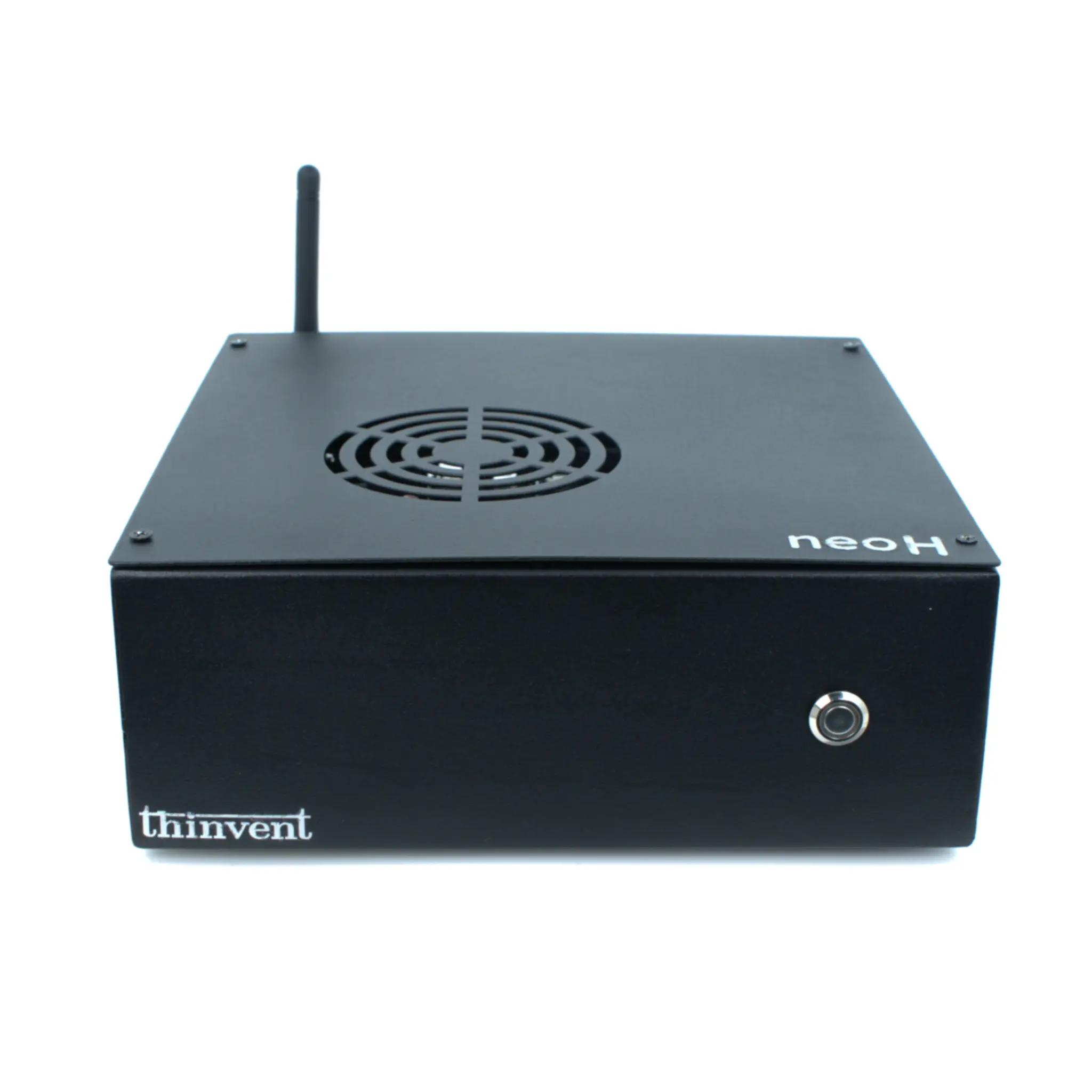
What is an ECS (Embedded Computer System) PC?
An ECS (Embedded Computer System) PC, often referred to as an embedded PC or industrial PC, is a compact, ruggedized computer designed for integration into larger systems or machinery. Unlike standard desktop PCs, these systems prioritize reliability, durability, and low-power operation in demanding environments. They are typically fanless, using passive cooling to eliminate moving parts that can fail due to dust, vibration, or extreme temperatures. This makes them ideal for 24/7 operation in industrial automation, digital signage, kiosks, and IoT gateways.
Key Specifications and Technical Details
Modern ECS PCs are built with efficiency and longevity in mind. Core specifications often include low-power Intel processors from the Celeron or N-series, such as the quad-core Intel N100. These CPUs offer a balance of adequate performance for embedded tasks with minimal thermal output, enabling completely silent, fanless designs. Standard configurations feature DDR4 RAM (e.g., 8GB or 16GB), solid-state storage (128GB to 512GB SSDs), and a rich set of I/O ports including multiple USB, HDMI, and Gigabit Ethernet. Their power supply is typically a simple 12V DC input, allowing for flexible integration with industrial power systems.
Primary Use Cases and Applications
The robustness of ECS PCs makes them suitable for a wide range of applications beyond typical office use. In industrial automation, they serve as controllers for PLCs, HMIs (Human-Machine Interfaces), and machine vision systems. For digital signage and kiosks, their small form factor and reliability ensure uninterrupted content playback in retail, hospitality, and public transportation. They are also perfect for thin client and VDI (Virtual Desktop Infrastructure) setups, providing a secure and manageable endpoint for centralized computing. Additionally, they function as IoT gateways, collecting and processing data from sensors in smart city, agricultural, and energy management projects.
Comparison of Common EPC Form Factors
| Feature | Industrial Mini PC | Thin Client | All-in-One Panel PC |
|---|---|---|---|
| Primary Use | Embedded control, IoT Gateway | Virtual Desktop Access | Human-Machine Interface (HMI) |
| Typical Environment | Enclosed in machinery, harsh conditions | Office, call center | Factory floor, clean room |
| Cooling | Fanless (passive) | Often fanless | Varies (fanless or active) |
| Display | Requires external monitor | Requires external monitor | Integrated touchscreen |
| I/O Flexibility | High (multiple serial, GPIO) | Standard (USB, Ethernet) | Integrated (touch, optional serial) |
Thinvent's Range of Embedded Computing Solutions
Thinvent offers a comprehensive portfolio of ECS PCs designed for reliability and seamless integration. Our Aero Mini PC series exemplifies this, featuring the efficient Intel N100 processor in a compact, fanless aluminum chassis. These systems come pre-configured with robust memory and storage options and support a variety of operating systems, including Windows 11 IoT, Windows 11 Pro, Ubuntu Linux, and our proprietary Thinux™ Embedded Linux, providing the software flexibility required for specialized applications. Built for durability and 24/7 operation, Thinvent's industrial computers are engineered to deliver consistent performance in the most challenging environments worldwide.