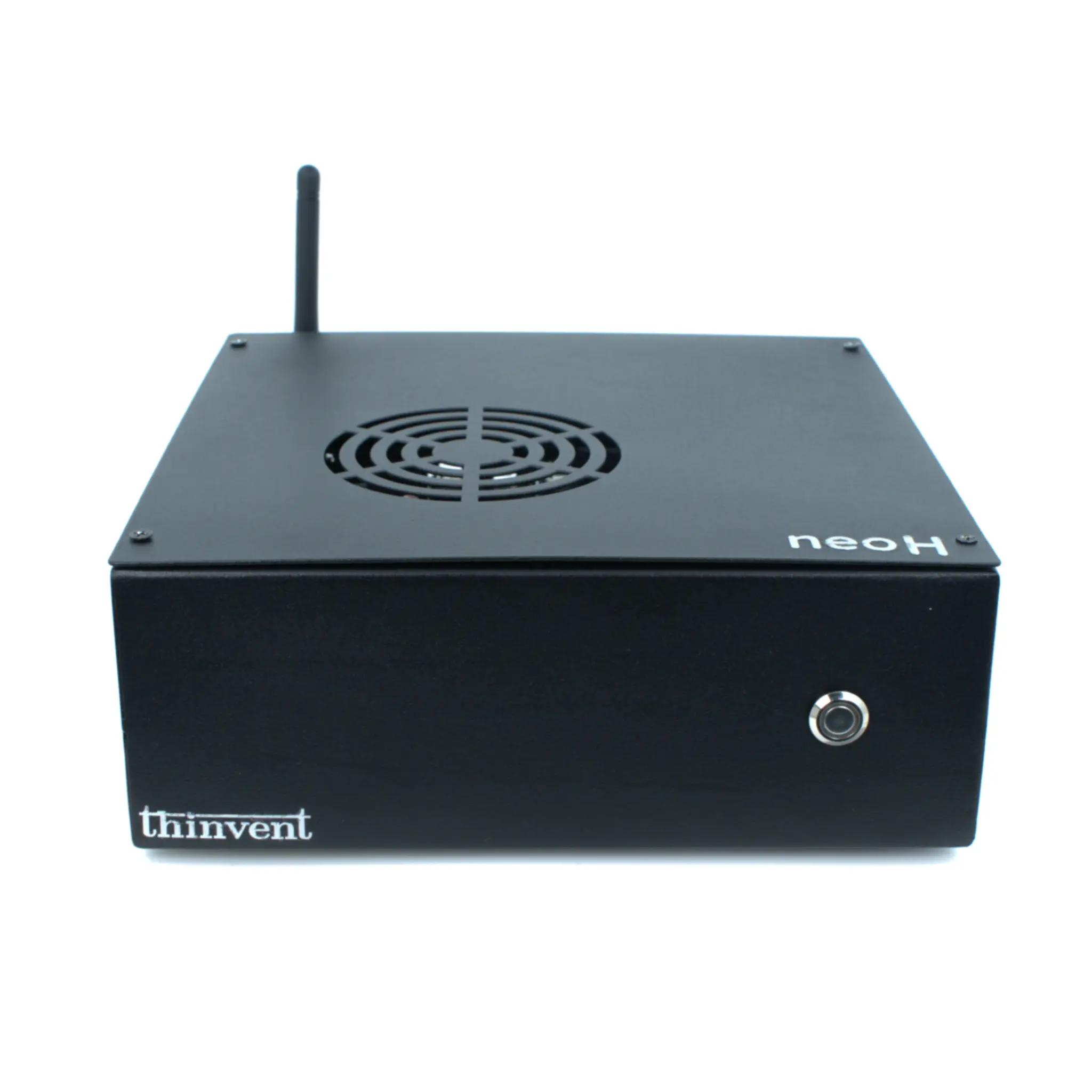
What Are Industrial Computers?
Industrial computers are specialized computing systems engineered to operate reliably in demanding, non-office environments. Unlike standard commercial PCs, they are built with industrial-grade components, feature robust enclosures, and are designed for longevity, stability, and continuous operation. Key characteristics include fanless cooling for silent, dust-proof operation, wide operating temperature ranges, shock and vibration resistance, and support for industrial communication protocols. These systems are the backbone of automation, providing the computational power needed where reliability is non-negotiable.
Key Specifications and Design Features
The core of an industrial computer lies in its ruggedized design and component selection. Common specifications include:
-
Rugged Enclosures: Typically constructed from heavy-duty aluminum or steel, often with IP-rated protection against dust and moisture.
-
Fanless Cooling: Passive heat dissipation eliminates moving parts, preventing dust ingress and reducing points of failure for 24/7 operation.
-
Wide Temperature Range: Capable of operating in extreme temperatures, from well below freezing to high heat, commonly from -20°C to 70°C.
-
Industrial I/O: Multiple serial ports (RS-232/485), isolated digital I/O, and multiple LAN ports for connecting to machinery, sensors, and PLCs.
-
Power Supply: Support for wide-range DC input (e.g., 9-36V DC) to handle power fluctuations common in industrial settings.
-
Mounting Options: VESA, DIN-rail, or panel-mounting for flexible integration into control cabinets, kiosks, or machinery.
Primary Applications and Use Cases
Industrial computers are deployed across sectors where environmental challenges and reliability are paramount. Common applications include:
-
Factory Automation & Control: Serving as HMIs (Human-Machine Interfaces) and controllers for PLCs, CNC machines, and robotic cells.
-
Digital Signage & Kiosks: Powering interactive information displays, wayfinding systems, and self-service terminals in public spaces.
-
Machine Vision & Inspection: Processing images for quality control on high-speed production lines.
-
Transportation & Logistics: Managing fleet data, in-vehicle infotainment, and warehouse automation systems.
-
Energy & Utilities: Monitoring and controlling equipment in substations, oil & gas facilities, and renewable energy plants.
Thinvent's Rugged Industrial Computing Solutions
Thinvent offers a comprehensive range of industrial-grade computing solutions designed for mission-critical applications. Our product lines include fanless Industrial PCs, compact Mini PCs, and versatile All-in-One systems, all built with the durability required for harsh environments.
Thinvent Industrial PC Series: Our flagship IPC series, such as the IPC5 featuring Intel Core i5 processors, is engineered for high-performance automation and control tasks. With robust metal housings, wide operating temperature ranges, and rich industrial I/O, they are ideal for demanding factory floor applications.
Thinvent Fanless Mini PCs: Models like the Treo and Aero series utilize efficient Intel processors (N-series, Core i3/i5) in compact, fanless designs. These systems provide reliable computing power for digital signage, kiosks, and edge computing nodes where space is limited and dust is a concern.
Thinvent ARM-Based Thin Clients: For lightweight, secure, and energy-efficient terminal applications, our Micro series thin clients, powered by ARM processors and running Thinux™ embedded Linux, offer a cost-effective solution for virtual desktop infrastructure (VDI) and simple display tasks in industrial settings.
Whether you need raw processing power for data acquisition or a resilient node for a distributed network, Thinvent provides reliable, industrial-strength computing hardware.