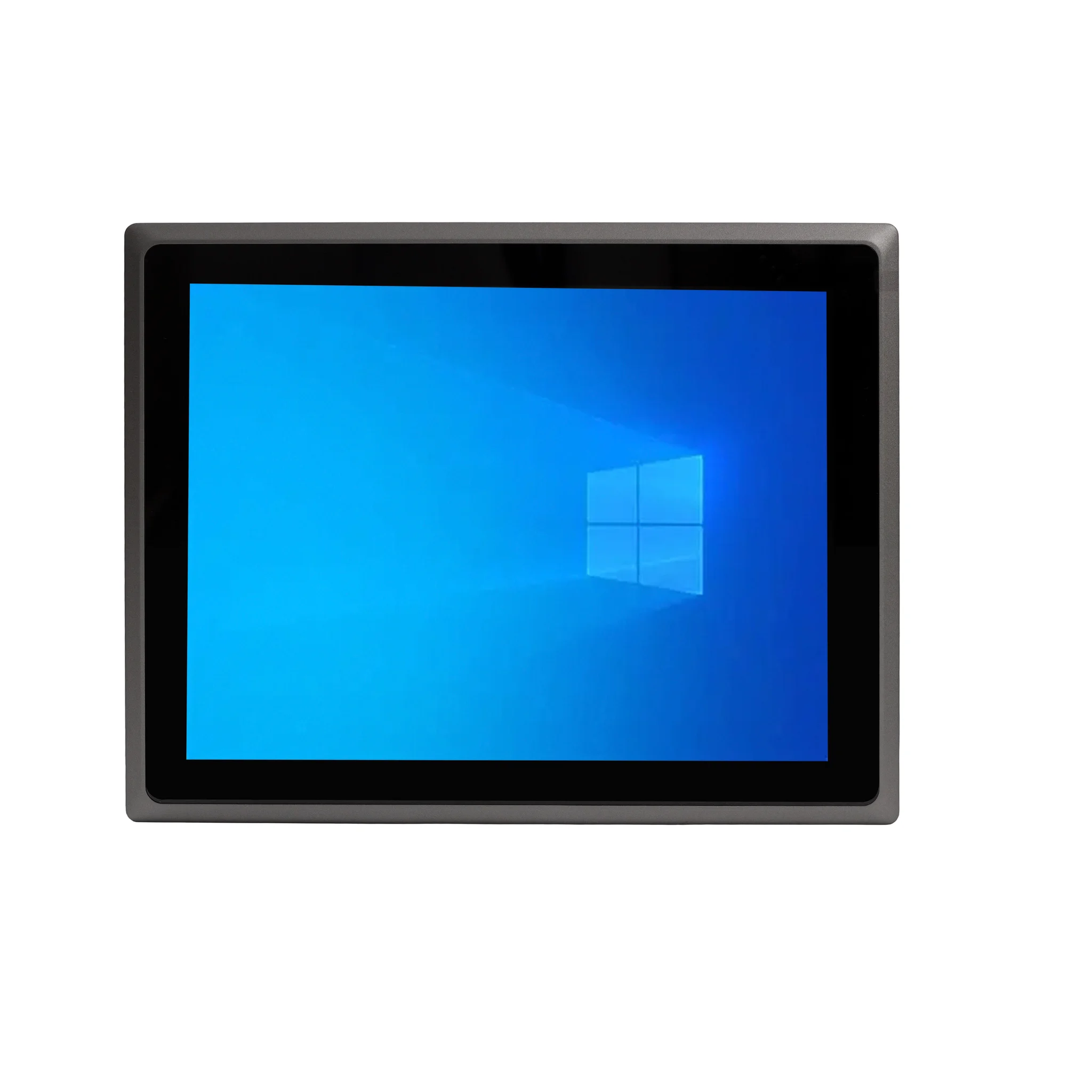
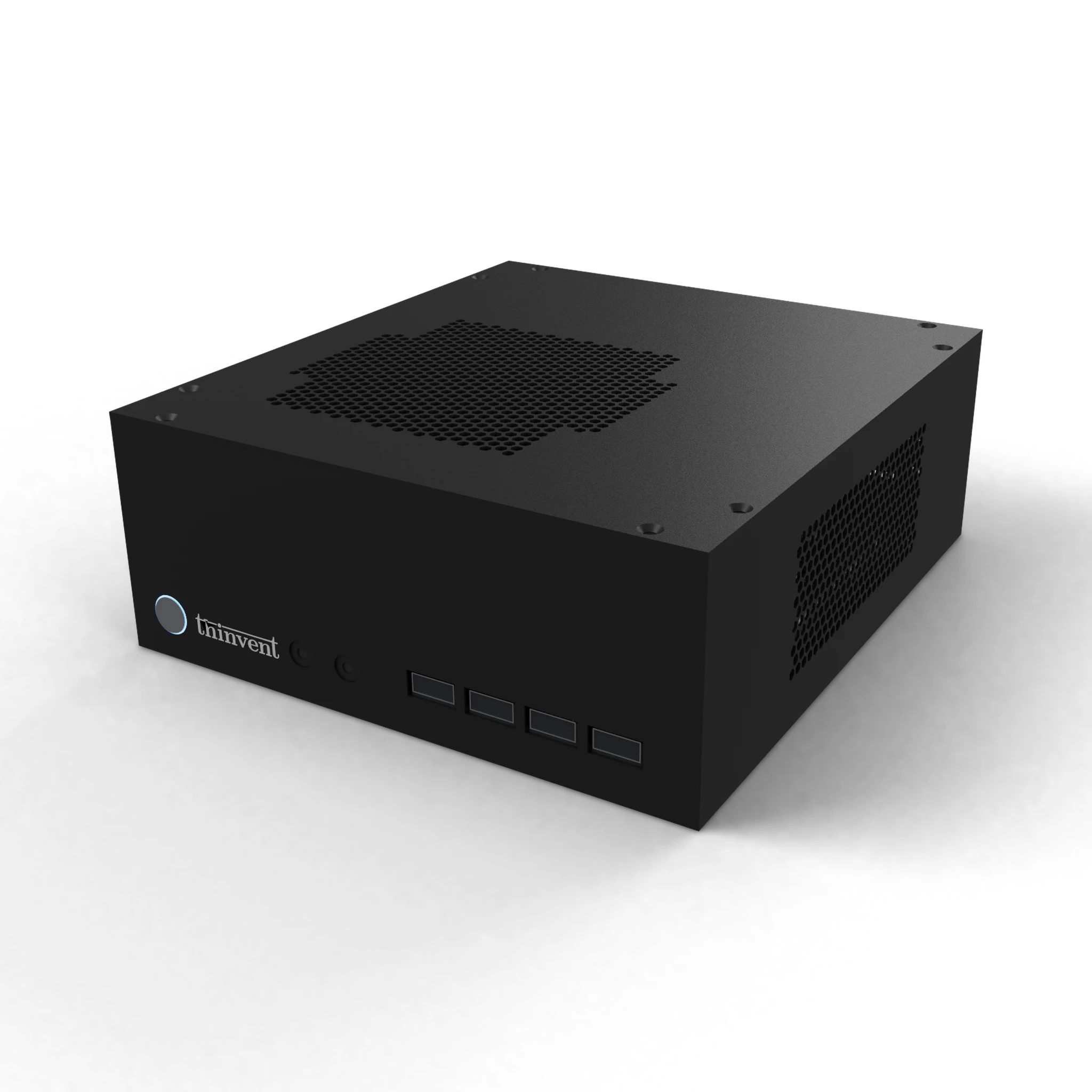
Embedded computer solutions refer to specialized computing systems designed to perform dedicated functions within a larger mechanical or electronic system. Unlike standard desktop PCs, these computers are engineered for reliability, long-term operation, and seamless integration into specific environments, often featuring fanless designs, wide operating temperature ranges, and robust connectivity.
Key Specifications and Technical Details
A robust embedded computer is defined by its core components and design philosophy. Key specifications include low-power, efficient processors (like Intel's N-series), fanless cooling for silent and dust-resistant operation, and industrial-grade components that ensure stability. They typically support a wide voltage input range (e.g., 9-36V DC) and operate reliably in extended temperature ranges from -20°C to 70°C. Essential I/O includes multiple Gigabit Ethernet ports, USB 3.2, HDMI/DisplayPort outputs, and expansion slots for custom add-on cards, making them highly adaptable.
Common Use Cases and Applications
These systems are the backbone of modern automation and digital interfaces. Primary applications include:
-
Industrial Automation & Control: Acting as PLCs or HMIs on factory floors.
-
Digital Signage & Kiosks: Powering interactive displays in retail, hospitality, and public transport.
-
IoT Gateways: Aggregating and processing data from sensors in smart city and agricultural projects.
-
Thin Clients & VDI: Providing secure, centralized desktop access in corporate and healthcare settings.
-
In-Vehicle Computing: Used in fleet management, public transportation, and mobile retail.
Choosing the Right Embedded System
Selecting an embedded computer depends on the application's demands. For basic digital signage or a thin client, an efficient quad-core processor with 8GB RAM may suffice. For edge computing or machine vision, a more powerful multi-core CPU with 16GB+ RAM and faster storage is required. The operating system is also critical; while Windows is common for HMIs, Linux variants like Ubuntu or custom embedded OSs offer stability and lower overhead for dedicated tasks.
| Application | Recommended CPU Series | Suggested RAM | Key Feature Focus |
|---|---|---|---|
| Digital Signage / Kiosk | Intel N-series, Celeron | 4-8 GB | Fanless, Multiple Display Outputs |
| Industrial HMI / PLC | Intel i3, i5 | 8-16 GB | Rugged Design, Wide Temp Range |
| IoT Gateway / Edge Node | Intel N-series, ARM | 4-8 GB | Low Power, Multiple Ethernet Ports |
| In-Vehicle Computer | Intel i-series, Celeron | 8-16 GB | Wide Voltage Input, Vibration Resistance |
Thinvent Embedded Computing Solutions
Thinvent offers a comprehensive range of reliable embedded computers designed for demanding environments. Our product lines, such as the Aero Mini PC series, exemplify the embedded computing ethos with fanless aluminum chassis, efficient Intel processors, and support for various operating systems including Windows IoT, Windows Pro, and Linux distributions. Built for 24/7 operation, Thinvent systems provide the durability, connectivity, and performance needed for industrial automation, digital signage, and edge computing applications worldwide.