What Is an Embedded System Computer?
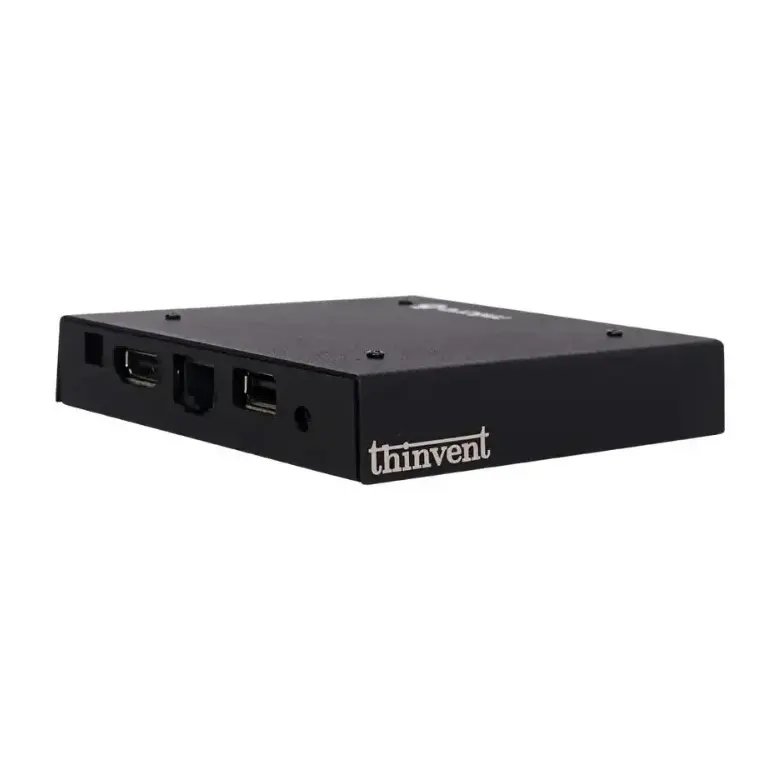
An embedded system computer is a compact, purpose-built computing platform designed to run a dedicated application rather than serve as a general-purpose desktop. Unlike office PCs, embedded systems are typically deployed inside machines, kiosks, control panels, ATMs, medical devices, digital signage and industrial equipment, where they must run continuously, boot reliably after power loss, and survive dust, heat, vibration and electrical noise. Because they are often sealed inside an enclosure with no operator nearby, fanless designs and wide-temperature components are preferred over conventional tower PCs.
Key Specifications to Look For
When selecting an embedded system platform, the following parameters matter most:
| Specification | Why It Matters |
|---|---|
| Fanless, ventless chassis | No dust ingress, no fan failure, silent operation |
| Wide DC input (e.g., 12V) | Works with industrial power supplies and battery-backed systems |
| Industrial-grade storage | SSD instead of spinning disk for shock and vibration resistance |
| Serial ports (RS-232/RS-485) | Direct connection to PLCs, sensors, meters and legacy equipment |
| Dual Gigabit Ethernet | Network segmentation, redundancy, or separate control and IT networks |
| Long-lifecycle supply | Same hardware revision available for years, so deployments stay consistent |
| OS flexibility | Windows, Linux or a locked-down embedded OS image |
| Watchdog timer & auto power-on | Unattended recovery after power interruptions |
Processors such as the Intel® Core™ i3-1215U (6 cores, up to 4.4 GHz, 10 MB cache) offer a strong balance for embedded use: enough performance for multi-tasking control software, vision or data logging, while remaining within the thermal envelope of a passively cooled chassis. For lighter workloads, Intel Celeron® and Intel N-series processors are common choices.
Typical Applications
Embedded computers appear wherever a machine needs local intelligence. Common examples include:
-
Factory automation — machine control, HMI panels, PLC gateways, SCADA terminals
-
Retail and banking — kiosks, POS terminals, ATM controllers, digital signage players
-
Healthcare — diagnostic instruments, imaging consoles, patient monitoring stations
-
Transport and logistics — fleet computers, weighbridge terminals, warehouse terminals
-
Energy and utilities — substation gateways, remote telemetry units, meter concentrators
-
Building systems — access control, CCTV analytics, HVAC supervisors
In each case the embedded computer must be specified for the environment, not just the application. A unit that works on a bench may fail on a shop floor unless it is rated for the temperature, ingress protection and vibration it will actually see.
How to Choose an Embedded System Supplier
Look beyond the datasheet. A capable embedded system supplier should offer configurable I/O (serial, GPIO, dual LAN), a choice of operating systems including embedded Linux images, documented lifecycle and revision control, and the ability to customise enclosures or mounting for OEM projects. Software support matters as much as hardware: signed OS images, read-only filesystem options and remote management tools reduce field failures and service calls. Buyers should also confirm that the same model will remain orderable over the multi-year life of their equipment, since re-certifying a replacement platform is expensive.
Thinvent Embedded System Computers
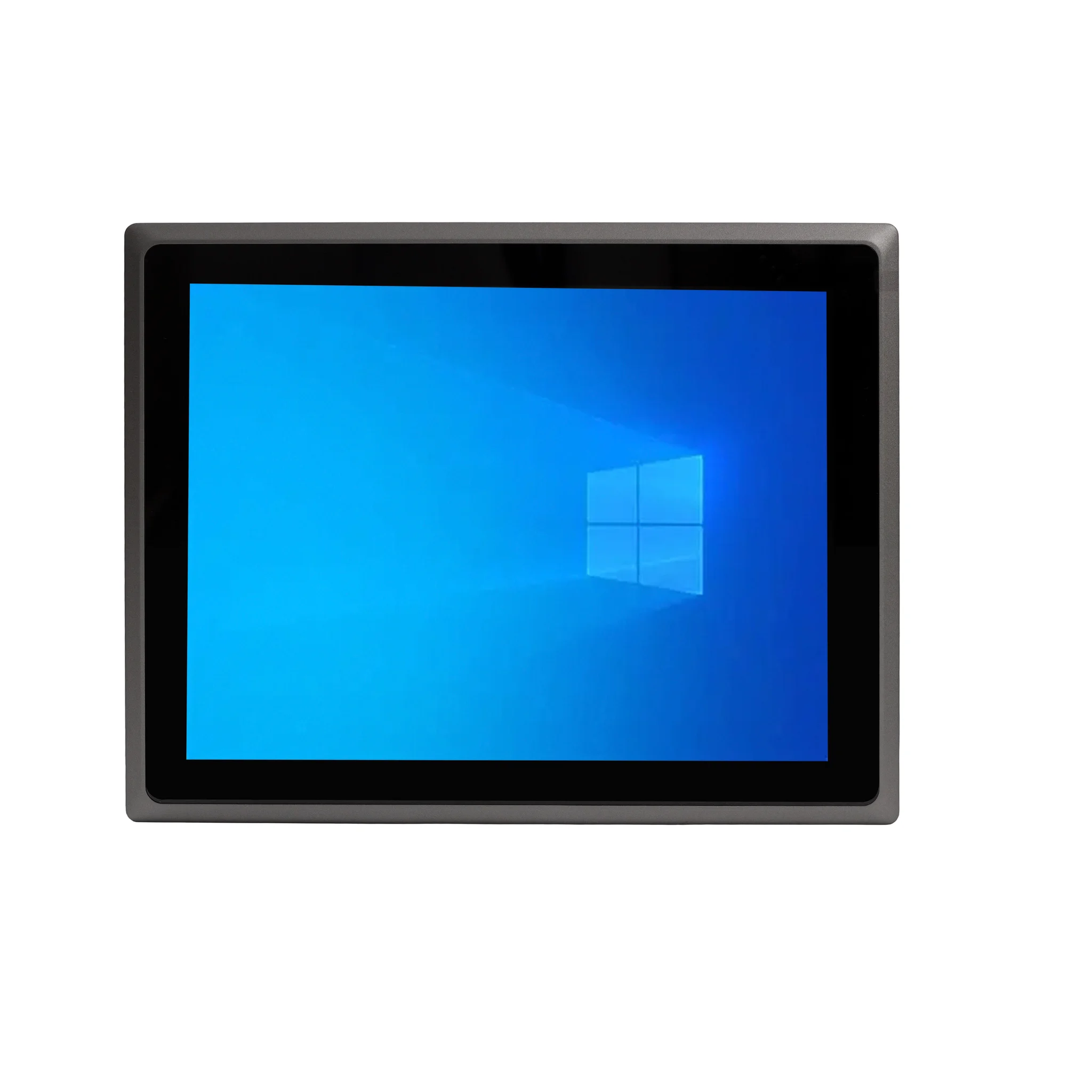
Thinvent builds fanless industrial computers, mini PCs, thin clients and all-in-one PCs for embedded and industrial deployments worldwide. Systems such as the Thinvent® Industrial PC IPC3 pair an Intel® Core™ i3-1215U processor with up to 16GB DDR4 RAM and 1TB SSD storage, and are available with Windows 11 Professional, Windows 11 IoT Value, DOS or Thinux™ Embedded Linux. Options include quad DB9 serial ports for connecting PLCs, instruments and legacy devices, 12V DC input, and ventless chassis construction suited to dusty or high-temperature environments. Whether you need a single evaluation unit or a multi-year OEM rollout, Thinvent's range covers mini PC, industrial PC, thin client and all-in-one form factors.