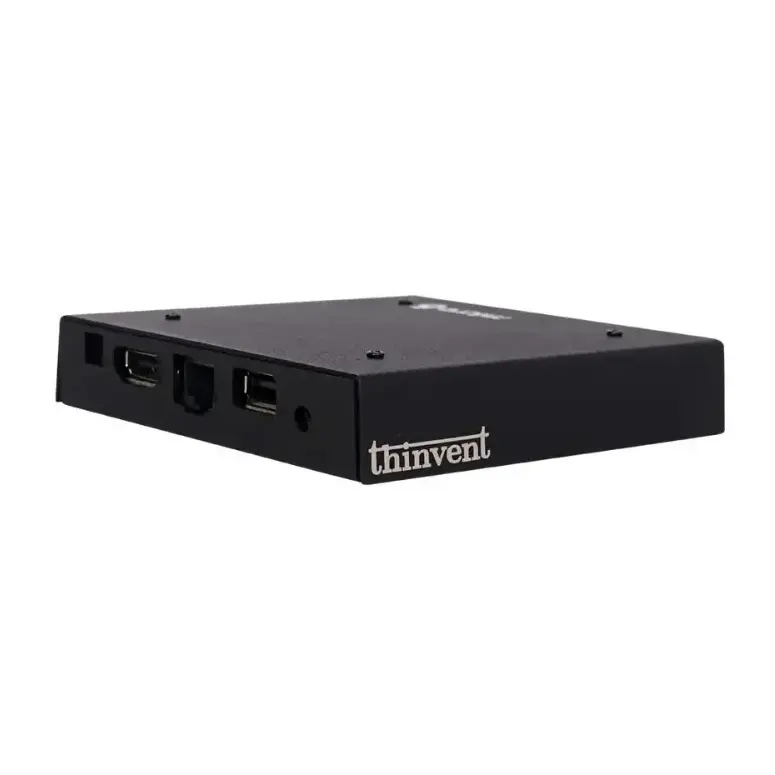
What is an Engineering Computer?
An engineering computer is a specialized industrial-grade computing system designed to handle the demanding workloads of engineering applications. Unlike standard office PCs, these machines prioritize processing power, reliability, stability, and robust connectivity to run complex simulations, CAD/CAM software, data analysis, and control systems in challenging environments. They are built to deliver consistent performance for tasks like 3D modeling, finite element analysis (FEA), computational fluid dynamics (CFD), and real-time process monitoring.
Key Specifications and Technical Details
Engineering workstations require a balanced configuration to avoid bottlenecks. Key specifications include:
-
High-Performance Processors: Multi-core CPUs (Intel Core i5/i7/i9 or Xeon) with high clock speeds and large cache sizes are essential for parallel processing in simulations and rendering.
-
Ample Memory (RAM): 16GB is often a minimum, with 32GB, 64GB, or more recommended for handling large datasets and complex assemblies in memory.
-
Fast Storage: NVMe SSDs (512GB, 1TB, or larger) provide rapid data access for loading large project files and applications.
-
Professional Graphics: While some tasks are CPU-bound, dedicated GPUs (from NVIDIA Quadro/RTX A-series or AMD Radeon Pro) accelerate 3D visualization, rendering, and GPU-accelerated computations.
-
Robust Connectivity: Multiple high-speed Ethernet ports (1GbE/2.5GbE), USB 3.2/Thunderbolt ports for peripherals, and support for multiple displays are critical.
-
Rugged Design: Many engineering computers feature fanless, sealed designs for operation in dusty or volatile environments, wide temperature tolerance, and vibration resistance.
Applications and Use Cases
Engineering computers are deployed across various industries:
-
Manufacturing & Industrial Automation: For running PLC programming software (e.g., Siemens TIA Portal, Rockwell Studio 5000), HMI/SCADA systems, and machine vision applications on the factory floor.
-
AEC (Architecture, Engineering & Construction): Powering Building Information Modeling (BIM) software like Autodesk Revit, and CAD applications such as AutoCAD and SolidWorks.
-
Research & Development: Performing complex simulations for product design, material science, and electronics in lab settings.
-
Energy & Utilities: Monitoring and controlling infrastructure in power plants, oil & gas refineries, and water treatment facilities.
Comparison: General vs. Engineering Computers
| Feature | General Office PC | Engineering Computer |
|---|---|---|
| Primary Use | Productivity, Web, Email | CAD, Simulation, Data Analysis, Control |
| Processor | Entry-level/Mid-range (e.g., Intel Core i3) | High-performance Multi-core (e.g., Intel Core i7/i9) |
| Memory (RAM) | 8GB - 16GB | 16GB - 64GB+ |
| Storage | SATA SSD | High-speed NVMe SSD |
| Graphics | Integrated Graphics | Dedicated Professional/Workstation GPU |
| Durability | Standard Commercial Grade | Industrial Grade (Fanless, Wide Temp.) |
| OS Support | Standard Windows/Linux | Often includes support for real-time OS & IoT versions |
Thinvent Engineering Computers
Thinvent offers a comprehensive range of industrial computers engineered for professional applications. Our product lines include compact Mini PCs and robust Industrial PCs that combine reliable Intel processing power with rugged, fanless designs for 24/7 operation. Configurations are available with processors from the efficient Intel N-series up to powerful Intel Core i-series, paired with ample DDR4/DDR5 RAM and fast SSD storage. Many models support multiple displays and offer flexible operating system choices, including Windows 11 IoT/Pro, Ubuntu Linux, and custom embedded platforms, making them ideal for integration into engineering workflows, digital signage, kiosks, and automation systems worldwide.