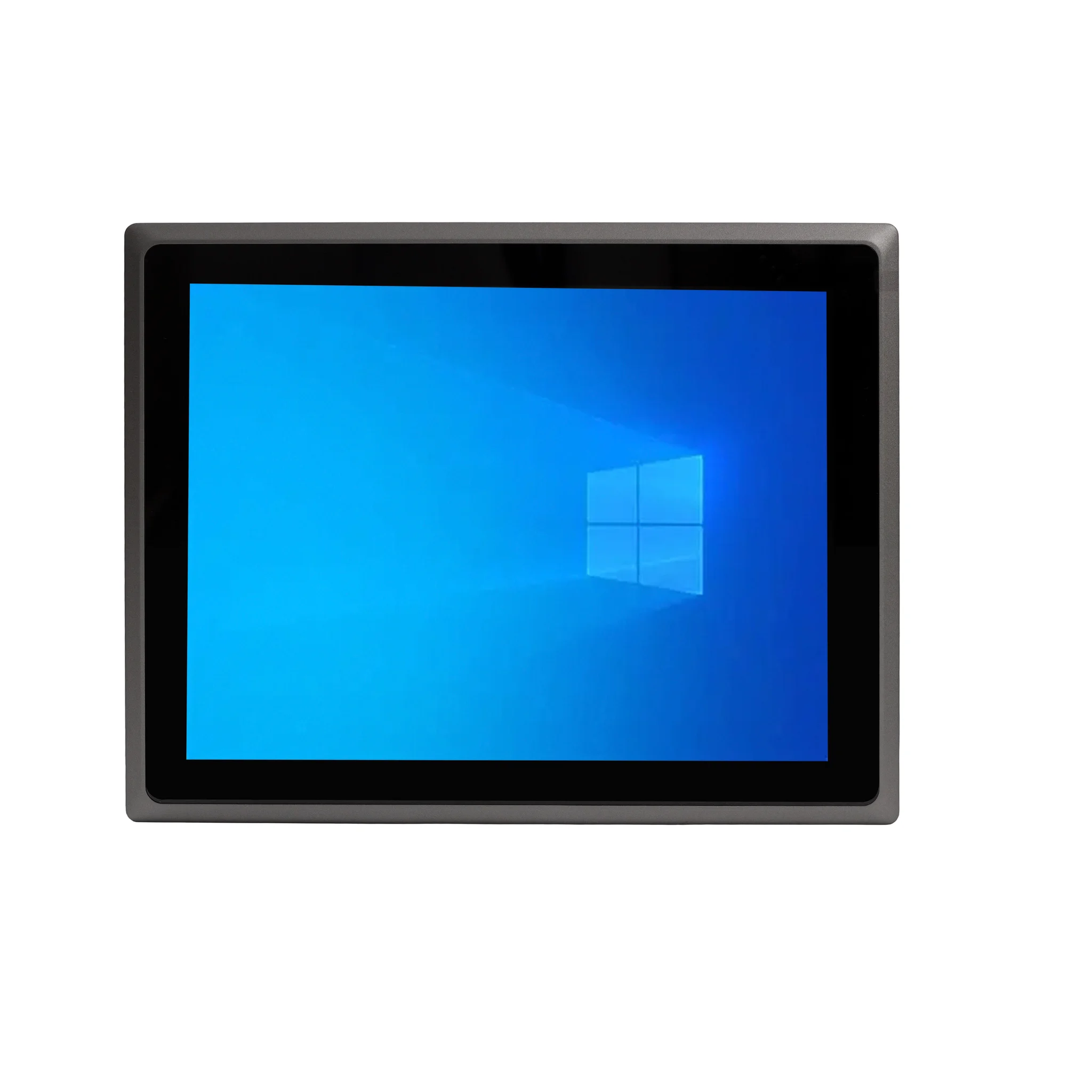
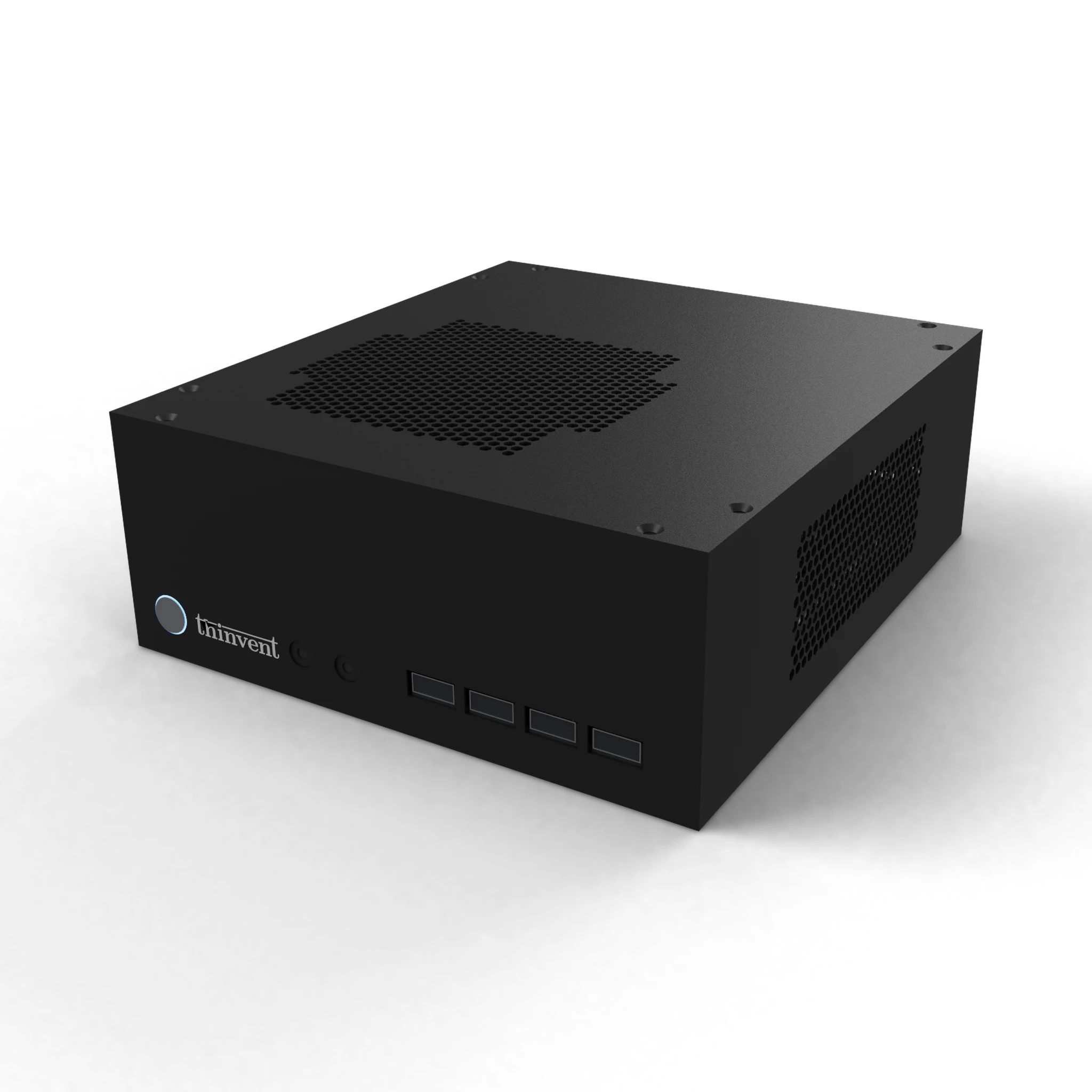
An entry-level desktop computer is a cost-effective, compact computing solution designed for basic tasks, light office work, and simple digital applications. These systems prioritize essential functionality, energy efficiency, and a small physical footprint over high-end performance. They are ideal for users who need a reliable machine for web browsing, document editing, email, media playback, and running lightweight business or educational software. Typically, they feature efficient, low-power processors, adequate memory, and solid-state storage to ensure responsive performance for everyday use.
Key Specifications and Technical Details
Entry-level desktops are defined by their balanced, modest specifications. The processor is usually an efficient Intel Celeron, Intel N-series (like the N100), or AMD Athlon chip with 2 to 4 cores. These CPUs offer sufficient power for basic multitasking while maintaining low thermal design power (TDP), which often allows for fanless, silent operation. Standard memory (RAM) configurations range from 4GB to 8GB, with 16GB available for more demanding basic use. Storage typically involves a 128GB or 256GB SSD, providing fast boot times and application loading. Connectivity includes essential ports like USB, HDMI, and Ethernet, with Wi-Fi and Bluetooth often available as options.
Ideal Use Cases and Applications
These computers are perfectly suited for a variety of light-duty environments. In business, they serve as point-of-sale (POS) terminals, digital signage players, or thin clients for virtual desktop infrastructure (VDI). In education, they are excellent for computer labs, library kiosks, or student workstations. For home users, they function as compact media centers, home office PCs, or secondary computers. Their reliability and low maintenance make them a staple for embedded industrial applications, such as running simple control panels or information displays in factories and retail spaces.
Comparison of Common Entry-Level Form Factors
| Feature | Mini PC / Small Form Factor (SFF) | Traditional Desktop Tower | All-in-One (AIO) |
|---|---|---|---|
| Size | Extremely compact (palm-sized) | Large, requires more space | Integrated display, sleek footprint |
| Performance | Sufficient for basic tasks; often fanless | Can be more upgradeable and powerful | Similar to Mini PC, integrated into monitor |
| Use Case | Digital signage, kiosk, space-constrained office | General office, light workstation | Reception desks, classrooms, clean setups |
| Upgradability | Limited (often RAM/SSD only) | High (multiple expansion slots) | Very limited |
| Typical Cost | Most cost-effective for the form factor | Moderate | Higher due to integrated display |
Thinvent's Entry-Level Desktop Solutions
Thinvent offers a robust range of reliable, entry-level desktop computers designed for commercial and industrial durability. Our Aero series of fanless Mini PCs, for example, are built with efficient Intel processors like the N100, providing silent and dependable operation perfect for 24/7 use. These systems come with a choice of operating systems, including Windows, Linux, or no OS, and can be configured with various memory and storage options to match specific project requirements. Engineered for longevity in diverse environments, from retail to manufacturing, Thinvent's entry-level desktocks deliver the essential computing power needed for foundational digital tasks without unnecessary complexity or cost.