What is an External CPU?
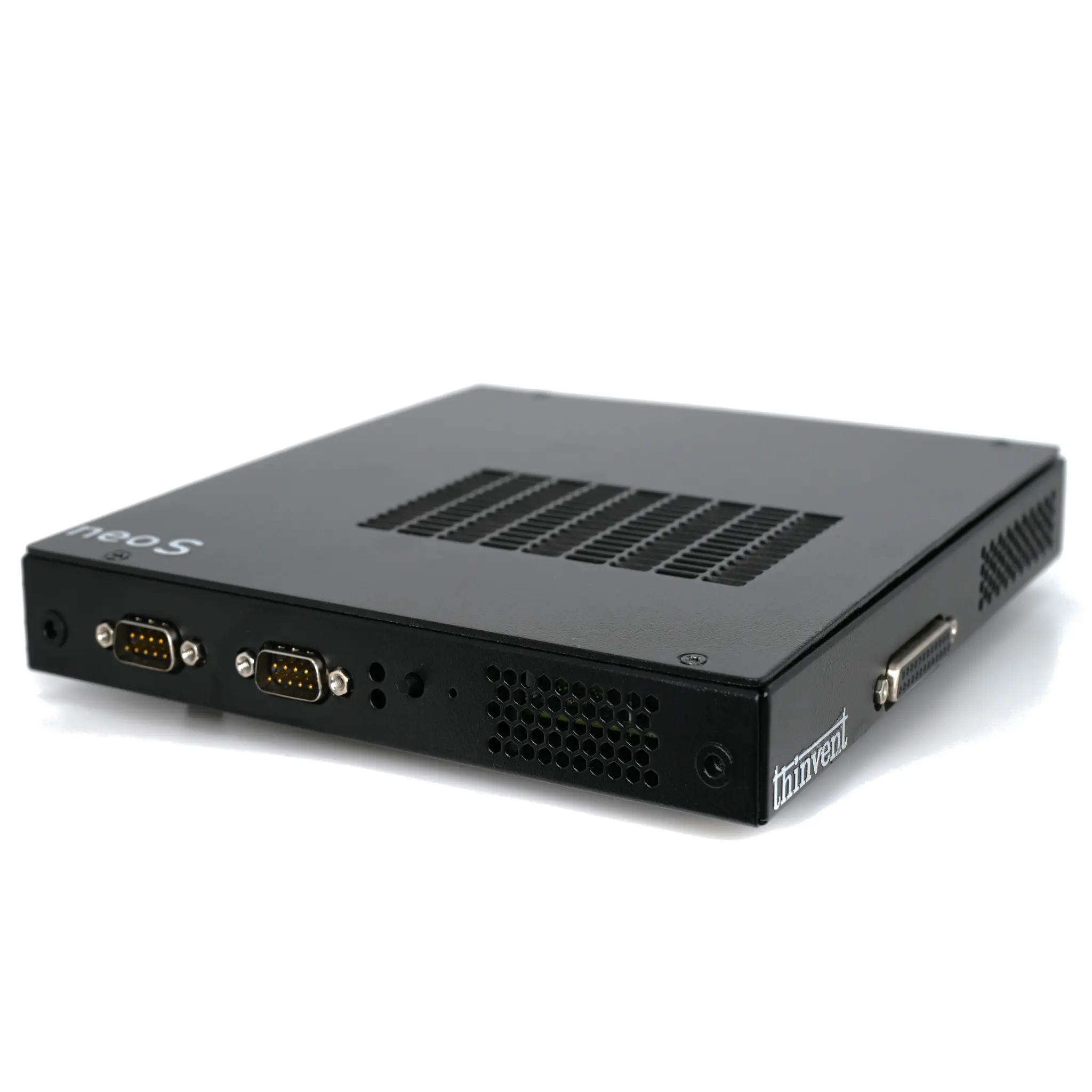
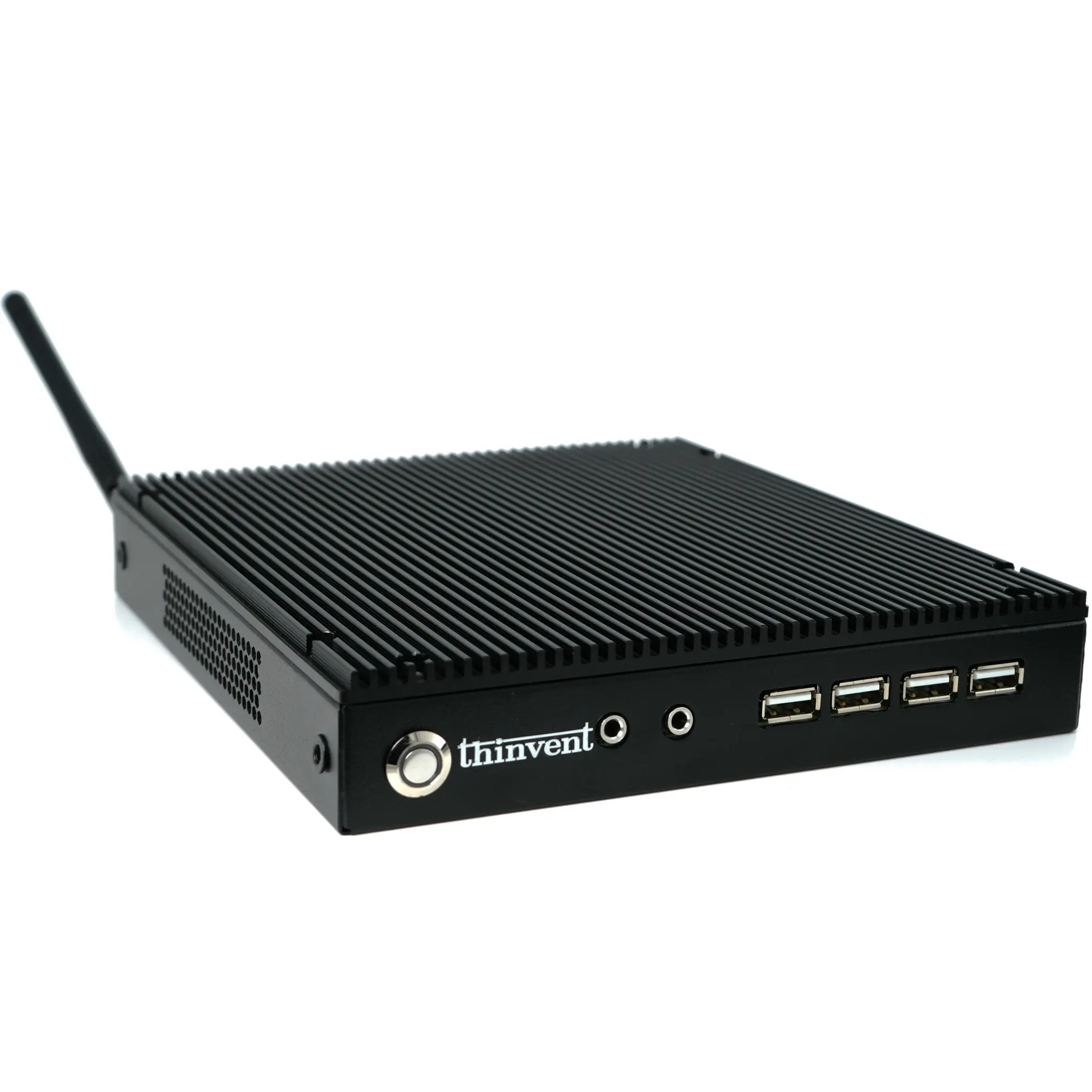
The term "External CPU" typically refers to a compact, self-contained computing unit designed to function as a primary processing hub outside a traditional desktop tower. In industrial and commercial contexts, this often manifests as a fanless mini PC or a compact industrial computer. These devices integrate the central processing unit (CPU), memory, storage, and connectivity into a single, small-form-factor chassis. They are engineered for reliability, low power consumption, and silent operation, making them ideal for environments where space, heat, or noise are critical constraints.
Key Specifications and Technical Details
Modern external CPU units, like advanced mini PCs, are built with efficiency in mind. Core specifications include:
-
Processor: Utilizing low-power, high-efficiency CPUs from Intel's N-series (e.g., Intel N100) or Celeron series. These processors offer multiple cores (typically 4) with sufficient performance for everyday computing and specialized applications while generating minimal heat.
-
Cooling: A defining feature is fanless cooling. A passive heatsink dissipates heat, eliminating moving parts. This results in zero noise, higher reliability (no dust-clogged fans), and suitability for dusty or harsh environments.
-
Form Factor: Extremely compact designs, often smaller than a standard book. They can be VESA-mounted behind a monitor or panel-mounted in kiosks and machinery.
-
Connectivity: Equipped with essential ports including multiple USB (2.0, 3.2), HDMI for display output, and Gigabit Ethernet for network connectivity. Some models offer expansion options for additional I/O.
-
Memory & Storage: Configurations typically range from 4GB to 16GB of RAM and 128GB to 512GB of solid-state storage (SSD), ensuring fast boot times and responsive operation.
Applications and Use Cases
The robustness and compact nature of these external computing solutions make them perfect for a wide array of applications:
-
Digital Signage & Kiosks: Powering interactive displays, menu boards, and information points in retail, hospitality, and public spaces.
-
Industrial Automation: Serving as a control unit for manufacturing equipment, PLCs, or HMI interfaces in factories.
-
Thin Client & Office Computing: Acting as a centralized, manageable endpoint for virtual desktop infrastructure (VDI) or general office productivity tasks.
-
Embedded Systems: Integrated into medical devices, transportation systems, or IoT gateways where consistent, long-term operation is required.
Comparison: External CPU Mini PC vs. Traditional Desktop
| Feature | External CPU (Fanless Mini PC) | Traditional Desktop Tower |
|---|---|---|
| Form Factor | Ultra-compact, mountable | Large, requires dedicated space |
| Cooling | Passive, fanless (silent) | Active, with fans (audible) |
| Power Consumption | Very Low (often 10W-25W) | Moderate to High (65W+) |
| Durability | High (no moving parts, robust casing) | Standard (fans are a failure point) |
| Typical Use Case | Embedded, industrial, space-constrained | High-performance gaming, workstation |
Thinvent Solutions for External Computing
Thinvent specializes in manufacturing high-quality, industrial-grade mini PCs that perfectly embody the concept of a reliable external CPU. Our product lines, such as the Aero Mini PC series, are engineered for demanding environments. They feature the latest Intel processors, fanless thermal designs for silent operation, and a wide range of configuration options for memory, storage, and operating systems (including Windows, Linux, and IoT versions). Built for 24/7 operation, Thinvent mini PCs offer the perfect blend of performance, durability, and compact design for your external computing needs.