What Are External Storage Solutions With Wi-Fi?
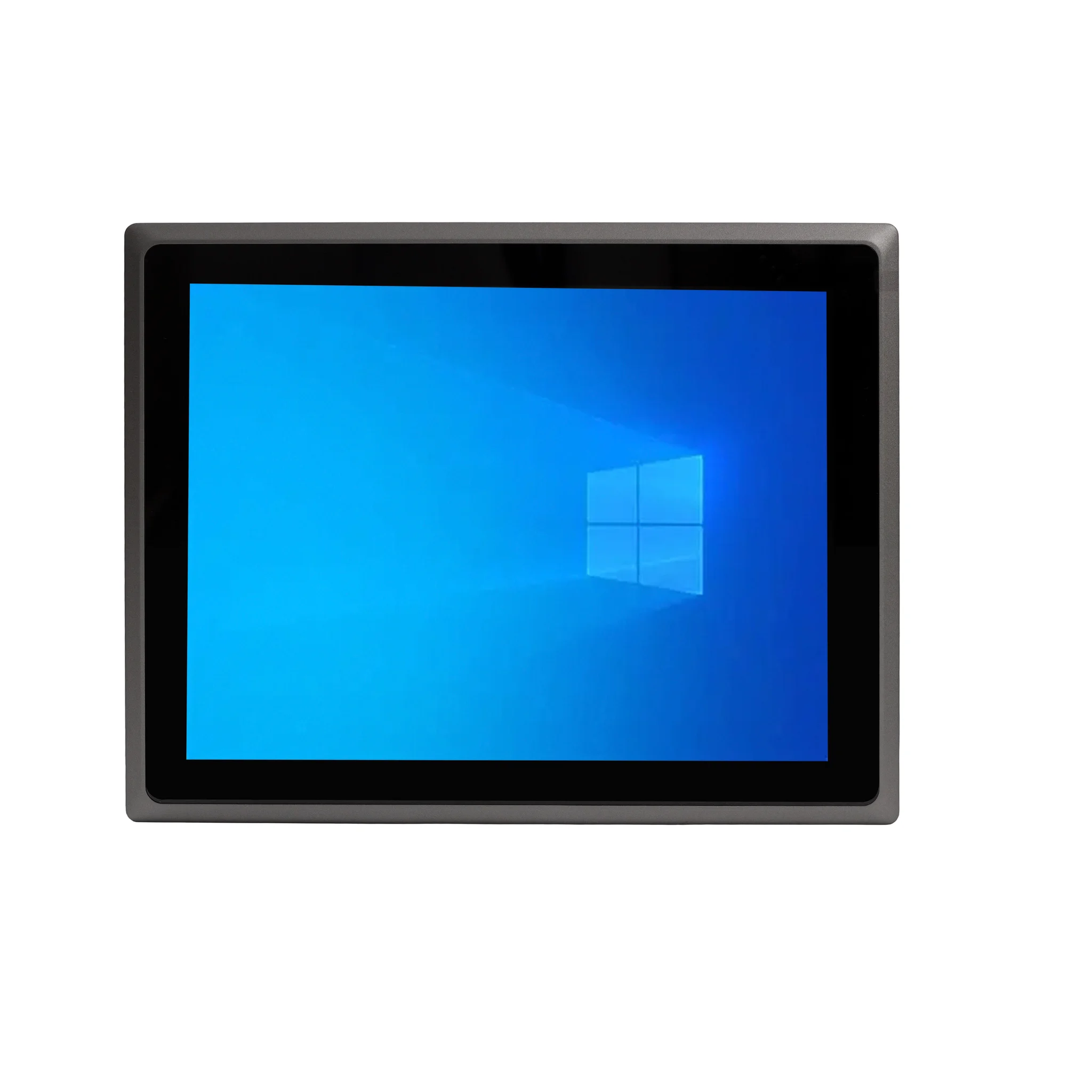
External storage with Wi-Fi refers to network-attached storage (NAS) devices or specialized industrial computers that function as wireless file servers. These systems provide centralized data storage accessible over a Wi-Fi network, eliminating the need for direct physical connections to each client device. For industrial and commercial environments, this often means deploying a robust, fanless computer with ample internal storage (SSD) and a reliable Wi-Fi module, configured to serve files securely to other machines, tablets, or IoT devices on the local wireless network.
Key Specifications and Technical Details
A capable Wi-Fi storage solution requires specific hardware components. Critical specifications include:
-
Processor & Memory: A multi-core processor (e.g., Intel N-series or Core i3/i5) with sufficient RAM (8GB or more) is needed to handle file serving, background tasks, and potential light virtualization without bottlenecks.
-
Storage: High-capacity, reliable Solid State Drives (SSDs) are essential, typically starting at 256GB and scaling to 1TB or more, often with support for multiple drives in RAID configurations for redundancy.
-
Connectivity: Integrated dual-band Wi-Fi (802.11ac/ax) is mandatory for wireless access. Gigabit Ethernet ports are also crucial for a stable backbone connection to the main network. Multiple USB ports facilitate connecting additional external drives for backup or expansion.
-
Form Factor & Durability: Fanless, compact designs (Mini PC or Industrial PC) are preferred for 24/7 operation in diverse environments, offering silent performance, dust resistance, and reliability.
Applications and Use Cases
Wi-Fi-enabled storage devices are versatile across numerous sectors:
-
Digital Signage Networks: Centralized media storage for a fleet of wireless digital signage players, allowing for easy content updates and management.
-
Retail & Hospitality: Hosting point-of-sale databases, inventory files, or customer media libraries accessible by tablets and kiosks.
-
Light Industrial & IoT: Acting as a local data aggregation point for sensors and machines, collecting and storing data before syncing to the cloud.
-
Office & SMB: Providing a simple, cost-effective file server for document sharing and backup without the complexity of a full server rack.
Comparison: Basic vs. Advanced Wi-Fi Storage
| Feature | Basic Configuration | Advanced Configuration |
|---|---|---|
| Typical Processor | Intel N100 (4 cores) | Intel Core i5 (10+ cores) |
| Recommended RAM | 8GB - 16GB | 16GB - 32GB |
| Storage Capacity | 256GB - 512GB SSD | 512GB - 1TB+ SSD (often multiple drives) |
| Primary Use Case | File sharing for small teams, media streaming. | Data-intensive applications, virtualization, multi-user databases. |
| Network Load | Light to moderate | Moderate to heavy |
Thinvent Products for Wireless Storage Solutions
Thinvent's range of industrial-grade computers is ideally suited for building reliable, Wi-Fi-enabled network storage. While the sample Aero Mini PCs listed are configured without Wi-Fi, many Thinvent models offer optional or integrated Wi-Fi/Bluetooth modules. Our fanless Mini PCs and compact Industrial PCs, equipped with Intel processors from the N-series up to Core i5, provide the perfect hardware platform. Customers can select models with high-capacity SSDs (up to 1TB), ample DDR4/DDR5 RAM, and then specify the addition of a Wi-Fi card. This allows for the deployment of a durable, always-on wireless storage node tailored to specific performance and capacity needs for global industrial applications.