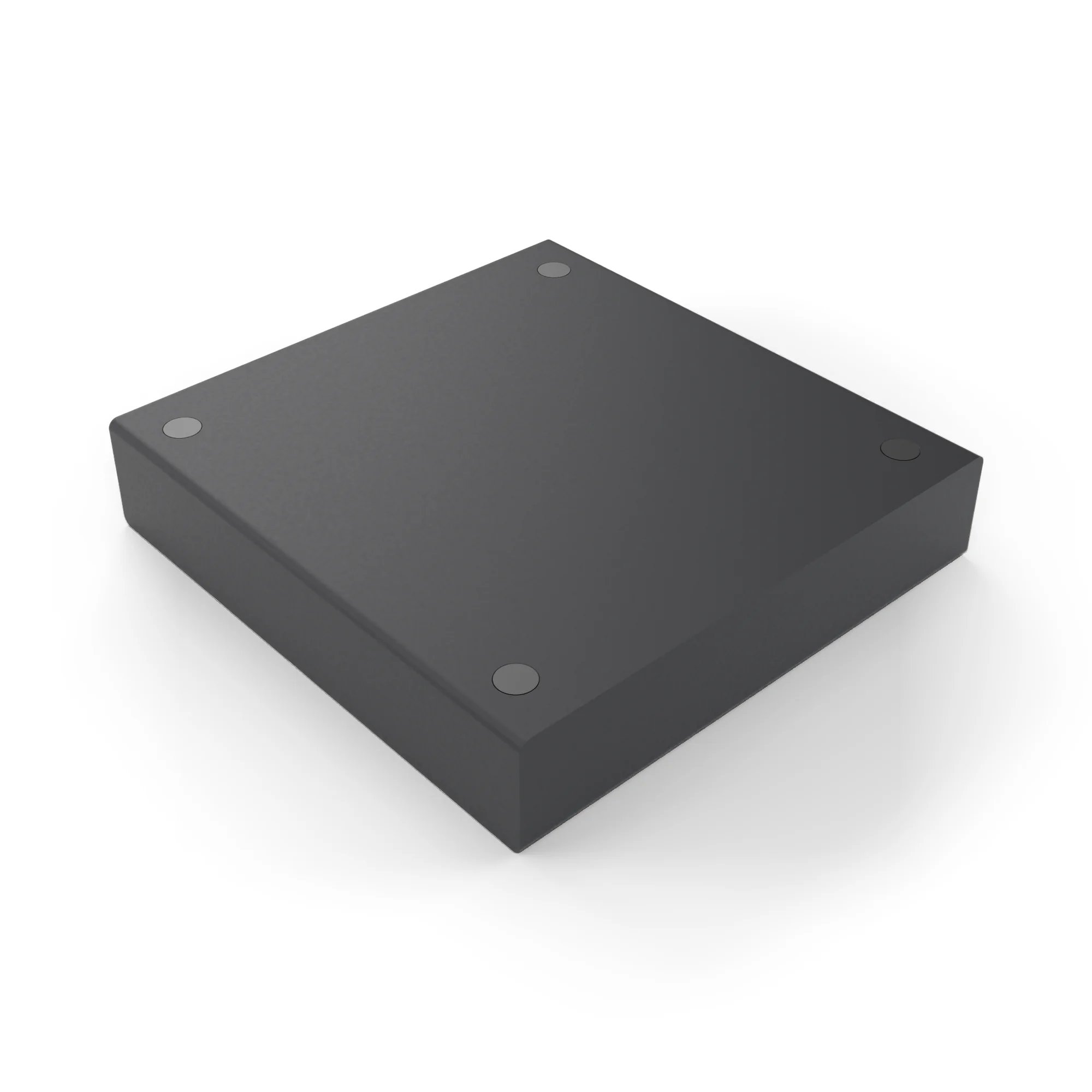
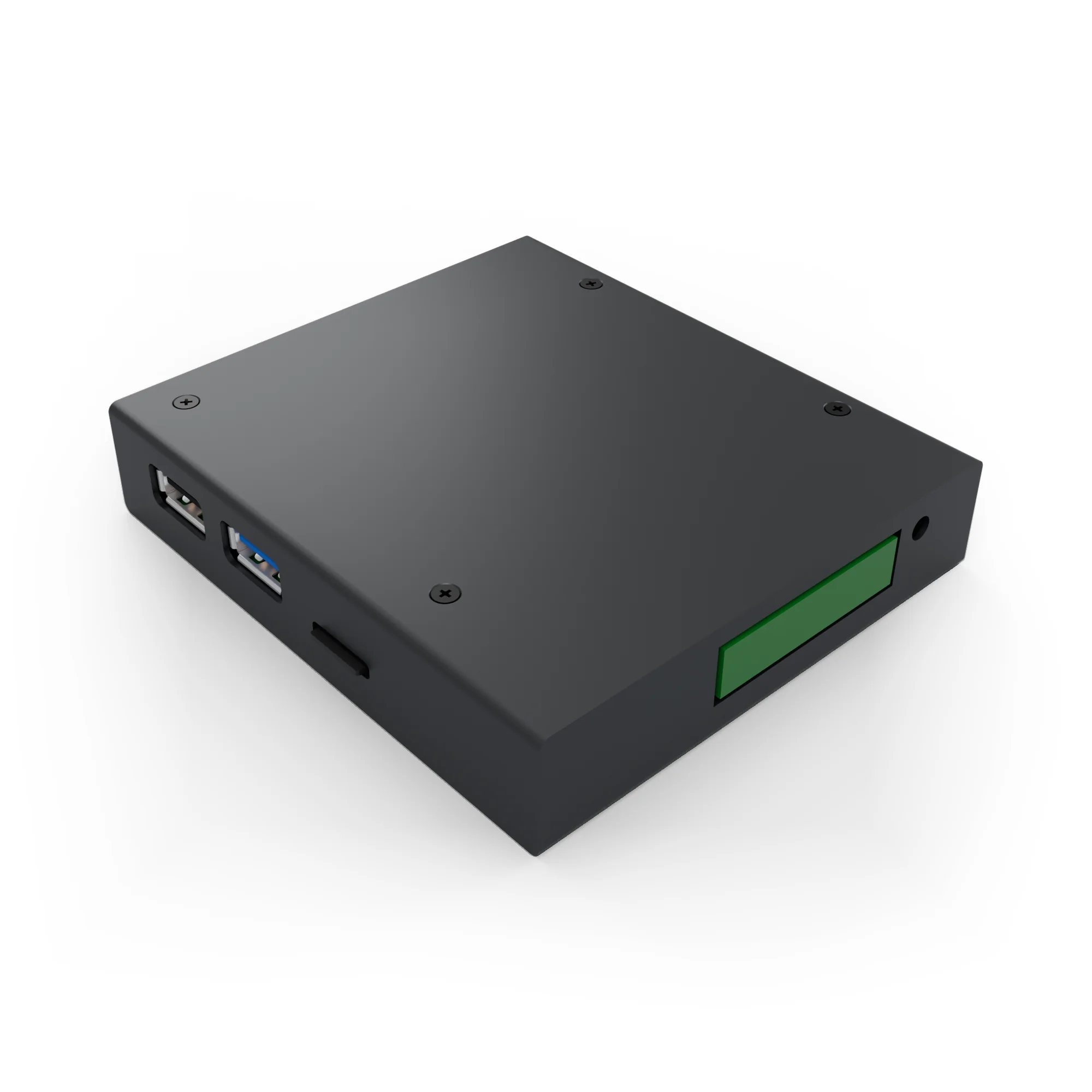
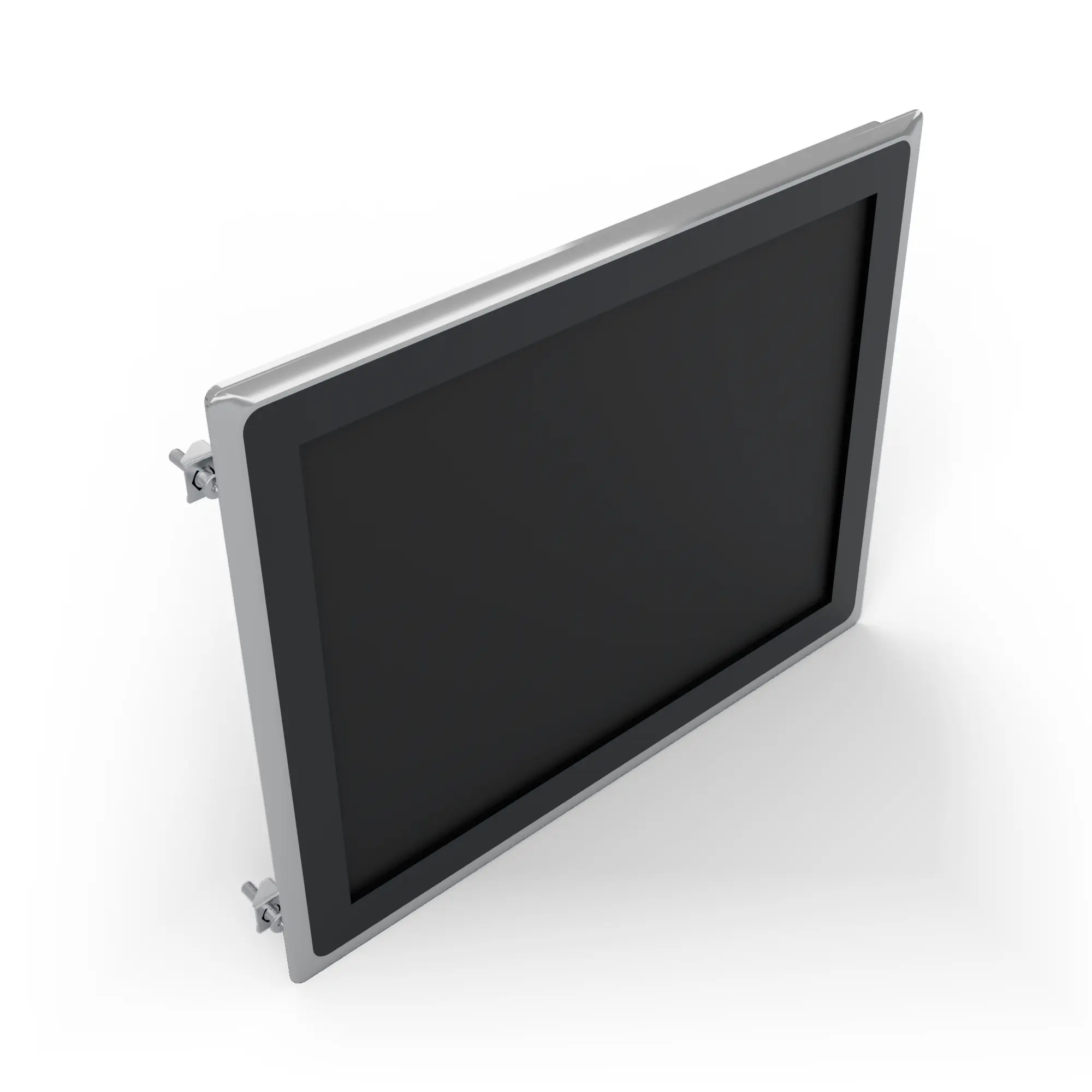
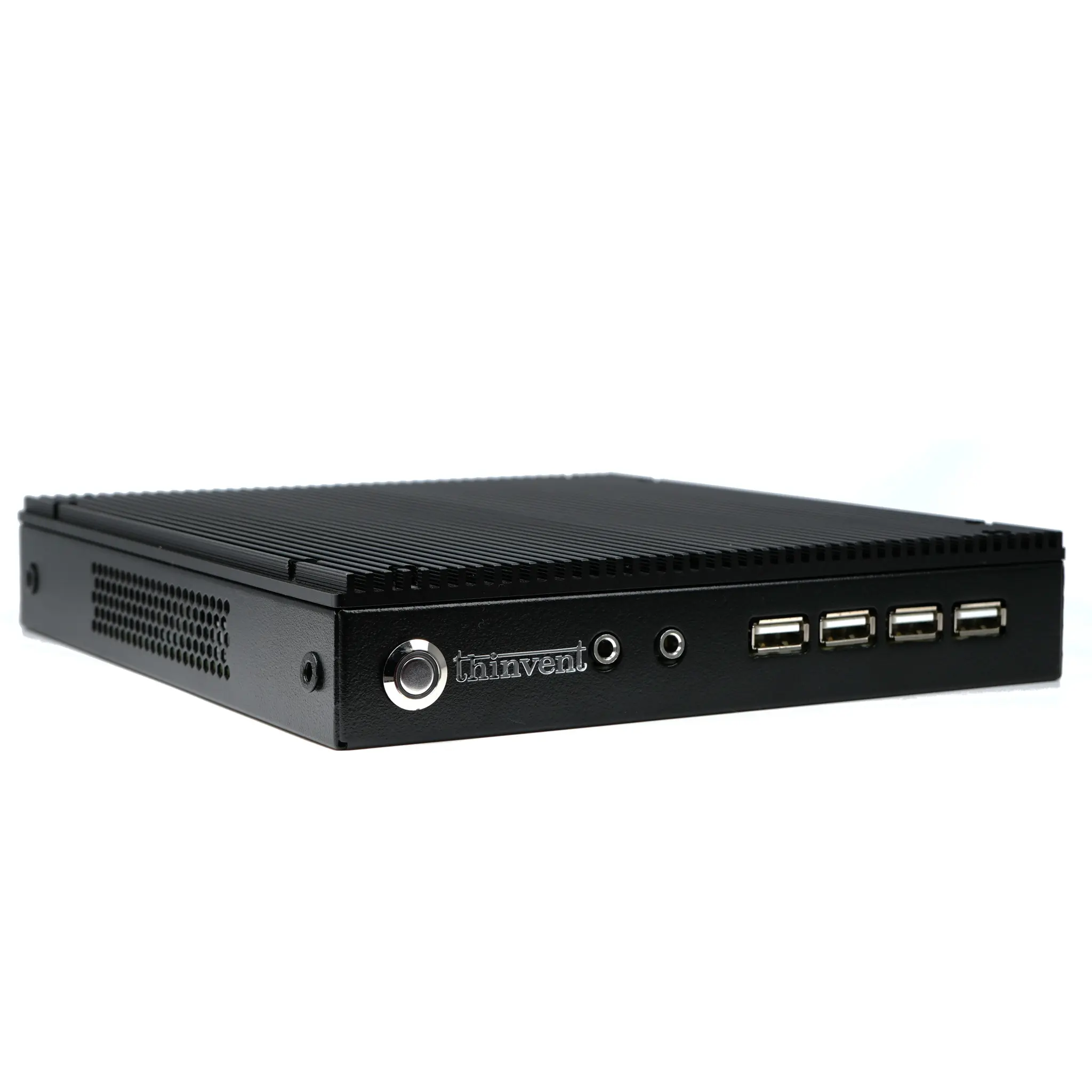
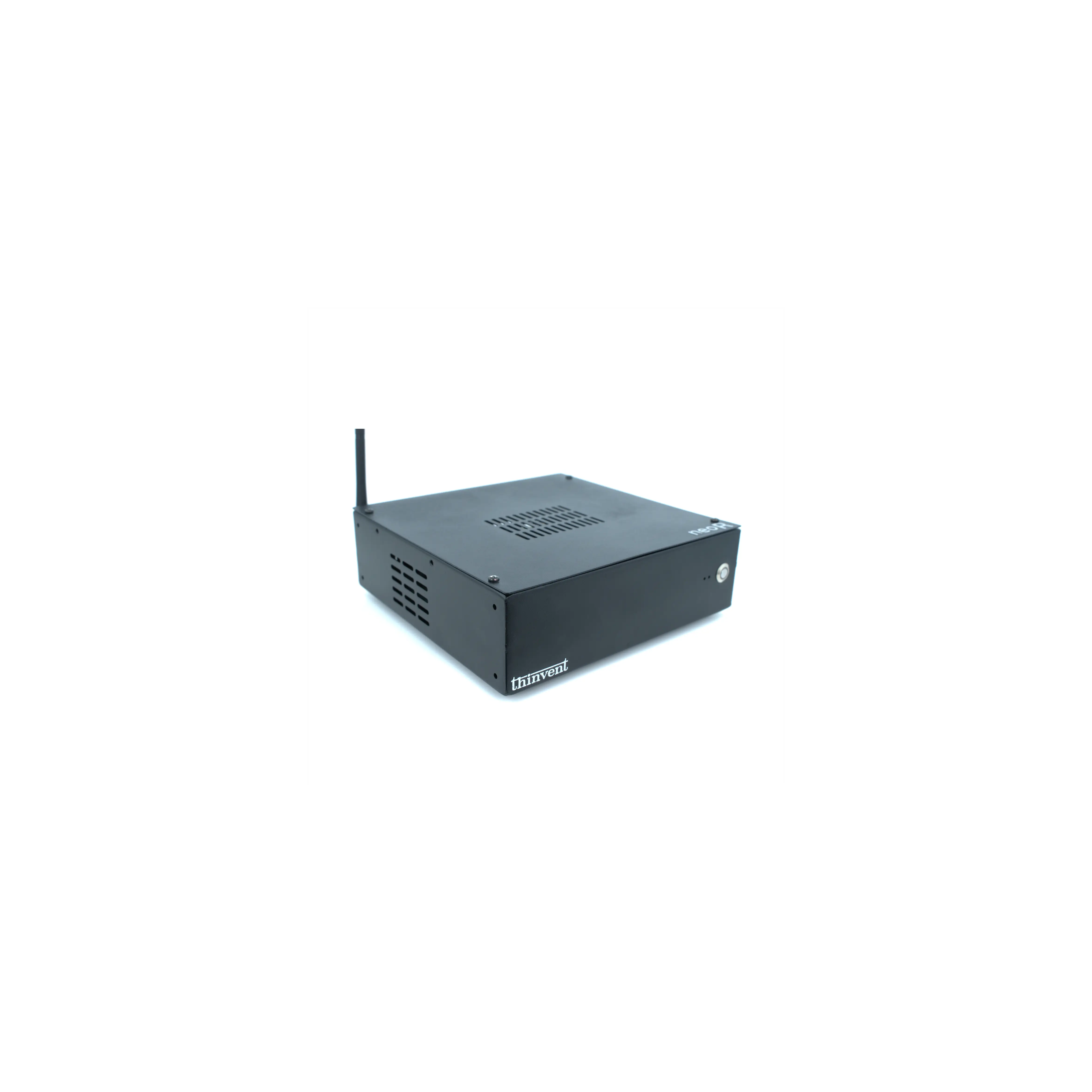
The Fujitsu FUTRO S920 is a configurable thin client for server-based computing and desktop virtualization, with DDR3 memory, mSATA flash storage, and optional expansion cards. The closest Thinvent alternative for a compact, quiet, low-power thin client is the Thinvent Micro 5R Thin Client, which uses an ARM Cortex A53 processor with 2 GB RAM and 16 GB storage. For buyers who need more headroom, the Thinvent Neo S Thin Client with an Intel Celeron J1900 offers 4 GB to 8 GB RAM.
Fujitsu S920 vs Thinvent Thin Clients
| Fujitsu FUTRO S920 | Thinvent Micro 5R Thin Client | Thinvent Neo S Thin Client | |
|---|---|---|---|
| Processor | Not stated | ARM Cortex A53 | Intel Celeron J1900 |
| Cores/Threads | Not stated | 4 cores | 4 cores, up to 2.4 GHz |
| RAM | 2 GB to 4 GB DDR3 (module options) | 2 GB | 4 GB to 8 GB DDR3 |
| Storage | mSATA flash, 2 GB to 32 GB | 16 GB eMMC | 32 GB to 256 GB SSD |
| Form Factor | Thin client, mountable behind a display | Thin client | Thin client |
| Operating System | eLux RP (Embedded Linux) or Windows Embedded Standard 7 | Thinux Embedded Linux | DOS |
| Wireless | Optional Wi-Fi 802.11a/b/g/n card | Wi-Fi 6 and Bluetooth 5 | No WiFi |
Key differences
-
Thinvent Neo S offers up to 8 GB RAM, while the Fujitsu S920 configurations are listed up to 4 GB DDR3.
-
Thinvent Neo S offers storage up to 256 GB SSD, while the Fujitsu S920 flash options are listed up to 32 GB.
-
Thinvent Micro 5R includes built-in Wi-Fi 6 and Bluetooth 5, while Fujitsu lists wireless only as an optional add-on card.
-
The Fujitsu S920 supports optional expansion slots and serial, parallel and PoE modules, which the Thinvent models do not list.
-
The Fujitsu S920 is designed to be mounted behind a display, a mounting option not listed for the Thinvent models.
Which one should you choose?
Choose the Thinvent Micro 5R for a compact thin client with built-in Wi-Fi 6 and a Linux operating system. Choose the Thinvent Neo S for larger memory and storage capacity in a thin client form factor. Choose the Fujitsu S920 if you need its expansion slots, serial or PoE add-ons, or behind-the-display mounting.