When comparing industrial PCs to traditional desktop processors, it's important to understand their differing design philosophies and target applications. Industrial PCs (IPCs) are built for demanding environments where reliability, longevity, and consistent performance are paramount. This often translates to ruggedized construction, extended operating temperature ranges, and robust component selection to withstand vibration, dust, and fluctuating power conditions. Desktop processors, on the other hand, are typically designed for consumer or office use, prioritizing maximum performance for a wider range of tasks and often assuming a more controlled environment.
Key specifications that differentiate these categories include thermal design power (TDP), fanless operation capabilities, shock and vibration resistance, and certifications for industrial environments. While a desktop CPU might boast higher clock speeds or more cores for raw processing power, an industrial-grade processor will often be optimized for sustained performance under load, lower power consumption, and extended operational life. The choice between them depends heavily on the intended use case, from automation and control systems in factories to digital signage and kiosk applications.
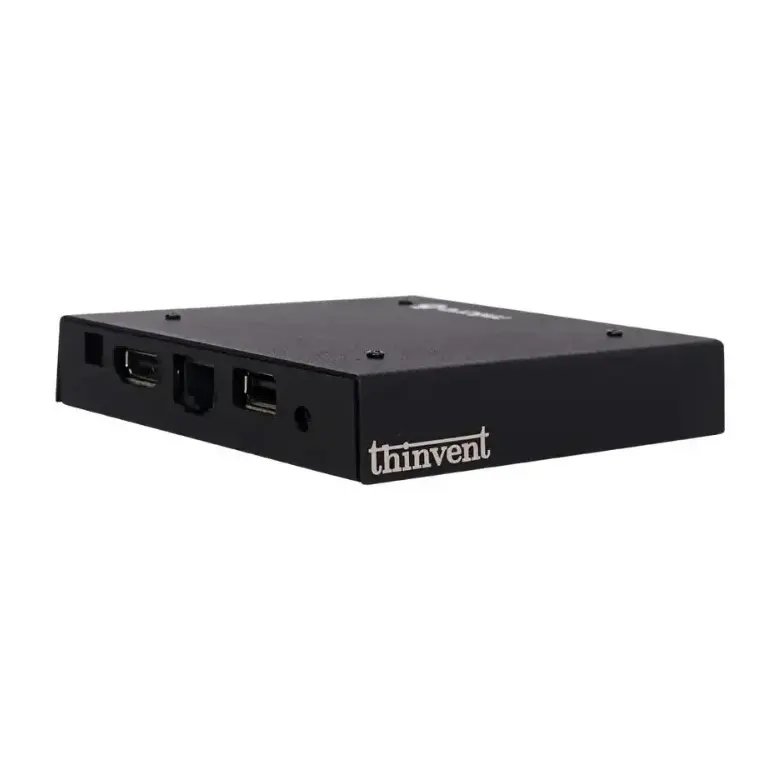
For example, processors like the Intel® Core™ i3-1215U found in Thinvent's Industrial PC IPC3 series offer a balance of performance and efficiency suitable for many industrial tasks. These processors are often chosen for their ability to handle complex operations without the need for aggressive cooling systems, contributing to the fanless and silent operation of industrial computers. Comparing this to a high-end desktop CPU, the IPC processor prioritizes stability and longevity over peak burst performance.
Thinvent Industrial PCs
Thinvent offers a range of Industrial PCs designed to meet the rigorous demands of industrial settings. Our IPCs are equipped with robust processors, ample memory, and high-speed storage to ensure dependable operation in challenging conditions. These systems are ideal for factory automation, process control, data acquisition, and any application requiring a reliable computing solution that can withstand environmental stresses.