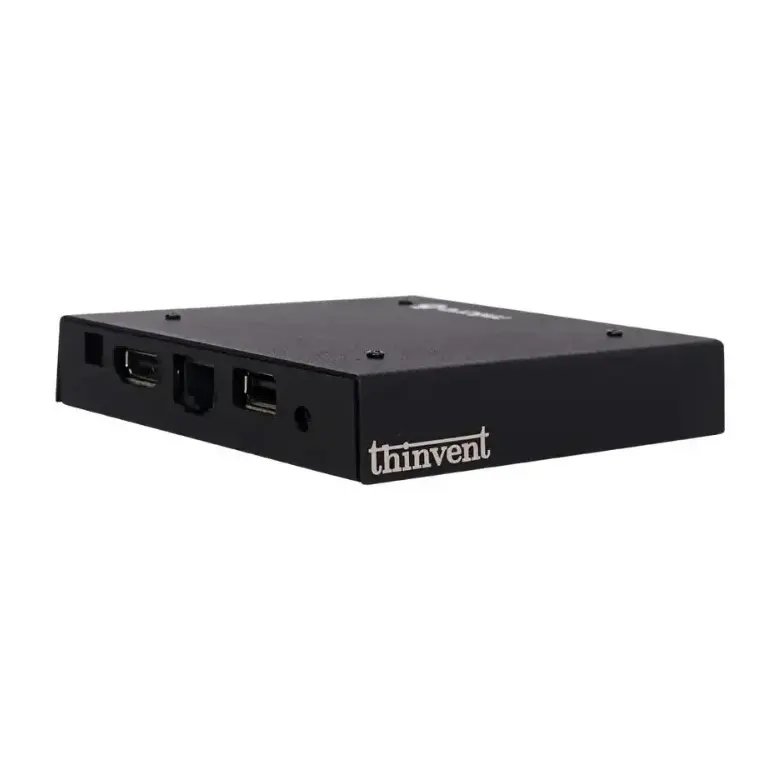
What Is an Industrial PC?
An industrial PC (IPC) is a computer built for continuous operation in environments where a standard desktop or consumer tower would struggle: factory floors, control cabinets, kiosks, warehouses, power distribution rooms, and outdoor enclosures. The difference is not simply "rugged looks" — it is a set of engineering decisions. Industrial PCs are designed around wide-temperature components, fanless or sealed chassis that keep dust and metal filings out, DIN-rail or wall-mount options, wide-range DC power inputs, stable long-life supply of identical units, and long-term availability of the same board revision so a machine commissioned today can be serviced years later.
Core Technical Specifications to Evaluate
When selecting an industrial computer, the specification sheet matters more than the marketing description. The key parameters are the processor and its thermal design, memory and storage configuration, I/O and expansion, power input, mounting method, and operating temperature range.
| Parameter | Typical Industrial PC | Why It Matters |
|---|---|---|
| Processor | Intel® Core™ i3/i5 12th–14th gen, or Intel® N-series | Deterministic performance for HMI, SCADA and vision workloads |
| Cores / Cache | 4–12 cores, 6–12 MB cache | Multitasking between control software and logging services |
| Memory | 8–32 GB DDR4 | Headroom for virtual machines and databases |
| Storage | 128 GB – 1 TB SSD | Shock-tolerant, no moving parts |
| Power | 12V DC adapter or wide-range DC input | Works from control cabinet supplies |
| Serial I/O | Multiple RS-232/RS-485 (DB9) ports | Legacy PLCs, meters, weighbridges, barcode readers |
| Cooling | Fanless, passive heatsink | No dust ingress, no fan to fail |
| Mounting | Wall, VESA, DIN-rail | Fits inside existing enclosures |
A common reference