Choosing the Right Industrial Computer
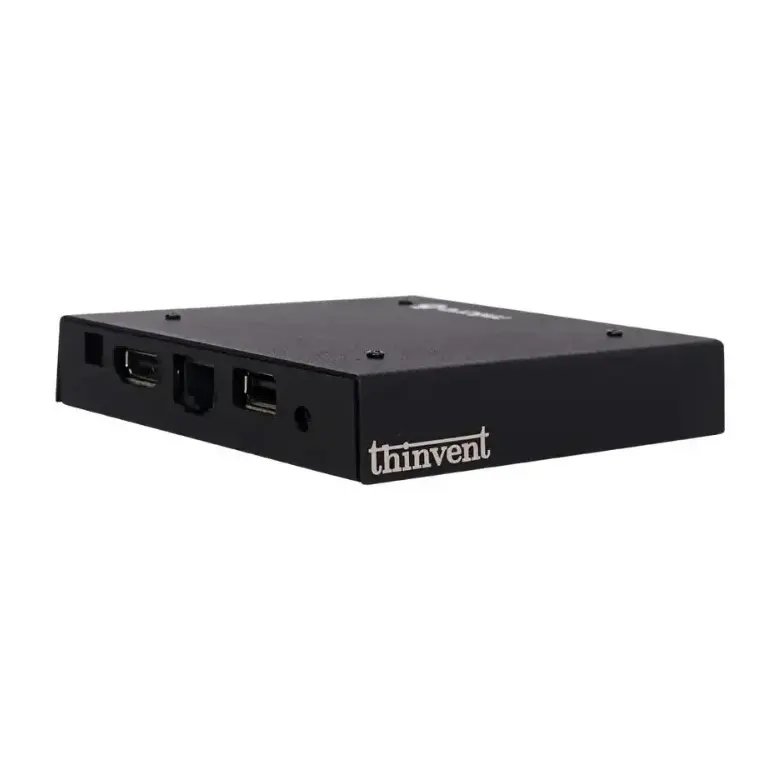
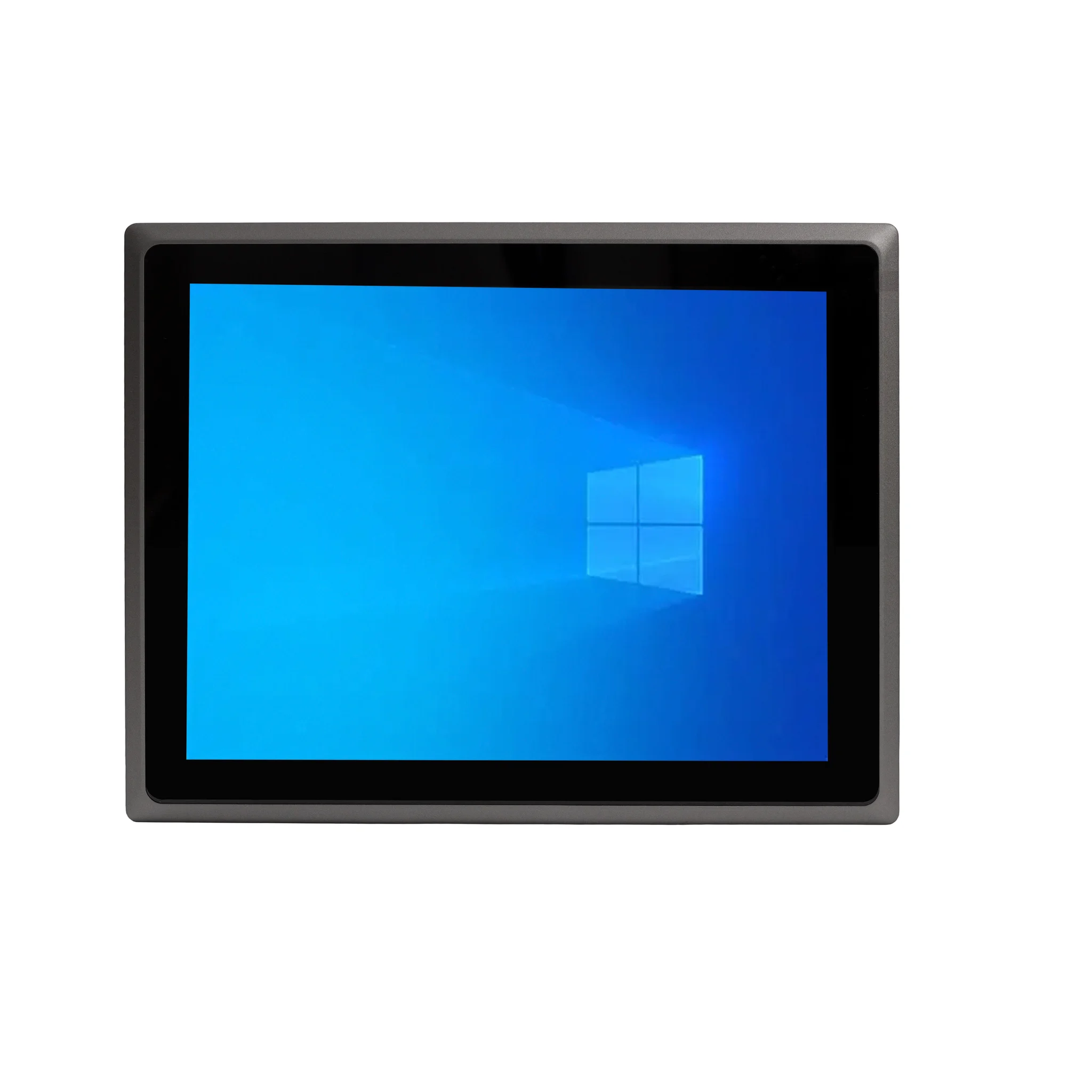
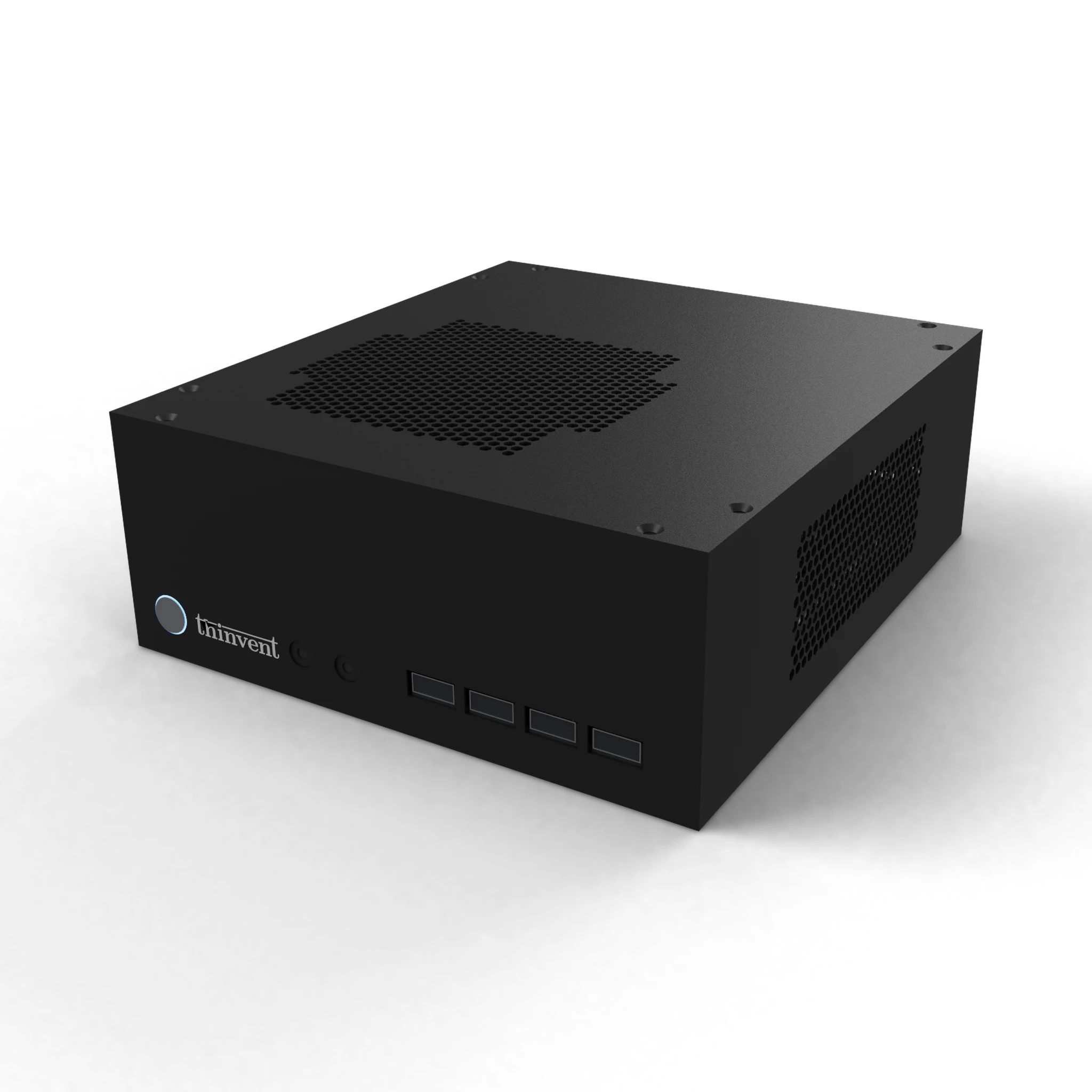
If you are looking for dependable computing hardware that keeps running in a factory, kiosk, control room or shop floor, the answer usually comes down to three things: a processor that matches your workload, memory and storage sized to your software, and a chassis that survives heat, dust and vibration. Industrial PCs, mini PCs, thin clients and all-in-one computers each fit a different part of that picture, and picking the right form factor early saves rewiring, re-imaging and replacement costs later.
Key Specifications That Actually Matter
The processor sets the ceiling for everything else. Entry-level Intel® Celeron® and N-series chips (N95, N100, N150, J4125) are fanless-friendly and handle point-of-sale, digital signage, thin client sessions and simple data logging. Intel® Core™ i3 and i5 parts such as the 1215U, 1315U and 1335U bring more cores, more cache and higher boost clocks for multi-window applications, machine vision front-ends, SCADA dashboards and light virtualisation.
| Workload | Suggested Class | Memory | Storage |
|---|---|---|---|
| Thin client / VDI session | Celeron, N95, N100 | 4–8 GB | 128–256 GB |
| POS, signage, kiosk | N100, N150, J4125 | 8 GB | 128–256 GB |
| SCADA, HMI, multi-app | i3-1215U, i3-1315U | 16 GB | 256–512 GB |
| Virtualisation, vision, analytics | i5-1335U | 16–32 GB | 512 GB–1 TB |
Other details decide whether the unit survives year three: wide DC input (commonly 12V), dual Gigabit Ethernet for network segmentation, multiple HDMI outputs, USB 3.2 Gen 2 and USB-C for peripherals, and optional DB9 serial ports for legacy PLCs, weighing scales and barcode equipment. Fanless designs remove the single most common failure point — the cooling fan — and allow sealed enclosures that keep dust out.
Use Cases and Applications
Industrial computers are deployed where a consumer desktop would not last. Typical roles include production line terminals reading PLC data over RS-232/RS-485, warehouse stations running WMS clients, kiosks and signage players running unattended for months, laboratory instruments needing a stable serial host, and control rooms displaying multiple dashboards on two screens. In each case the machine must boot reliably after a power cut, tolerate ambient temperatures well above office norms, and be mountable on a DIN rail, VESA plate or