What is a Home Lab Server?
A home lab server is a compact, dedicated computer system used by technology enthusiasts, developers, and IT professionals to create a personal testing and learning environment. It allows users to run virtual machines, containerized applications, network services, and development tools without impacting their primary workstation. For a home lab, key considerations include reliable 24/7 operation, low power consumption, quiet fanless cooling, and sufficient processing power and memory to handle multiple simultaneous workloads.
Key Specifications for a Home Lab Server
The ideal home lab server balances performance, efficiency, and form factor. Key technical details to evaluate include:
-
Processor: Modern multi-core CPUs (e.g., Intel's N-series or Core i3/i5) provide the necessary horsepower for virtualization. A minimum of 4 cores is recommended.
-
Memory (RAM): Ample RAM is critical. 16GB is a good starting point for light workloads, while 32GB or more is ideal for running several virtual machines or containers concurrently.
-
Storage: Fast SSD storage (256GB or larger) ensures quick boot times and responsive application performance. Support for additional storage via SATA or M.2 is a major plus for expanding capacity.
-
Connectivity: Multiple Gigabit Ethernet ports are highly valuable for creating isolated network segments or connecting to a NAS. USB 3.2 and USB-C ports provide flexibility for peripherals and external drives.
-
Form Factor & Cooling: A compact Mini PC or small-form-factor Industrial PC with fanless, silent cooling is perfect for a home office setting, ensuring quiet operation and reliability with no moving parts to fail.
Common Home Lab Applications
A versatile home lab server can host a wide array of projects:
-
Virtualization & Containers: Running hypervisors like Proxmox VE or ESXi, and orchestrating containers with Docker and Kubernetes (K3s/K8s).
-
Homelab Services: Self-hosting media servers (Plex, Jellyfin), home automation (Home Assistant), network ad-blocking (Pi-hole), file servers, and backup solutions.
-
Development & Testing: Creating isolated environments for software development, testing new operating systems, practicing cybersecurity skills, or simulating network configurations.
-
Learning Platforms: Setting up labs for certifications like CompTIA, Cisco, or cloud platforms, allowing for hands-on experience with enterprise-grade software in a safe, controlled environment.
Thinvent Products for Your Home Lab
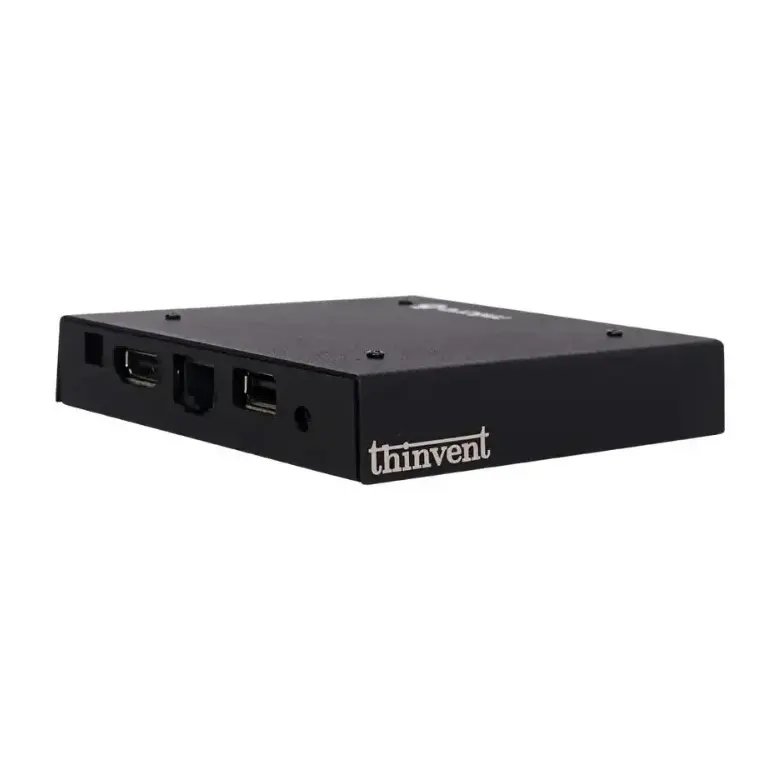
Thinvent's range of industrial-grade mini PCs are exceptionally well-suited for building a robust and efficient home lab. Engineered for durability and continuous operation, they offer the perfect blend of performance and reliability in a compact, fanless design.
Our Aero Mini PC series, featuring efficient Intel processors, provides an excellent foundation. Models come with various memory and storage configurations, allowing you to choose the right balance for your projects. With support for multiple operating systems—including Windows 11 Pro, Ubuntu Linux, and headless/embedded options—you have the flexibility to install your preferred lab software. Their robust construction, low power draw, and rich I/O (including dual HDMI and Gigabit Ethernet) make them a dependable and versatile cornerstone for any home lab setup.