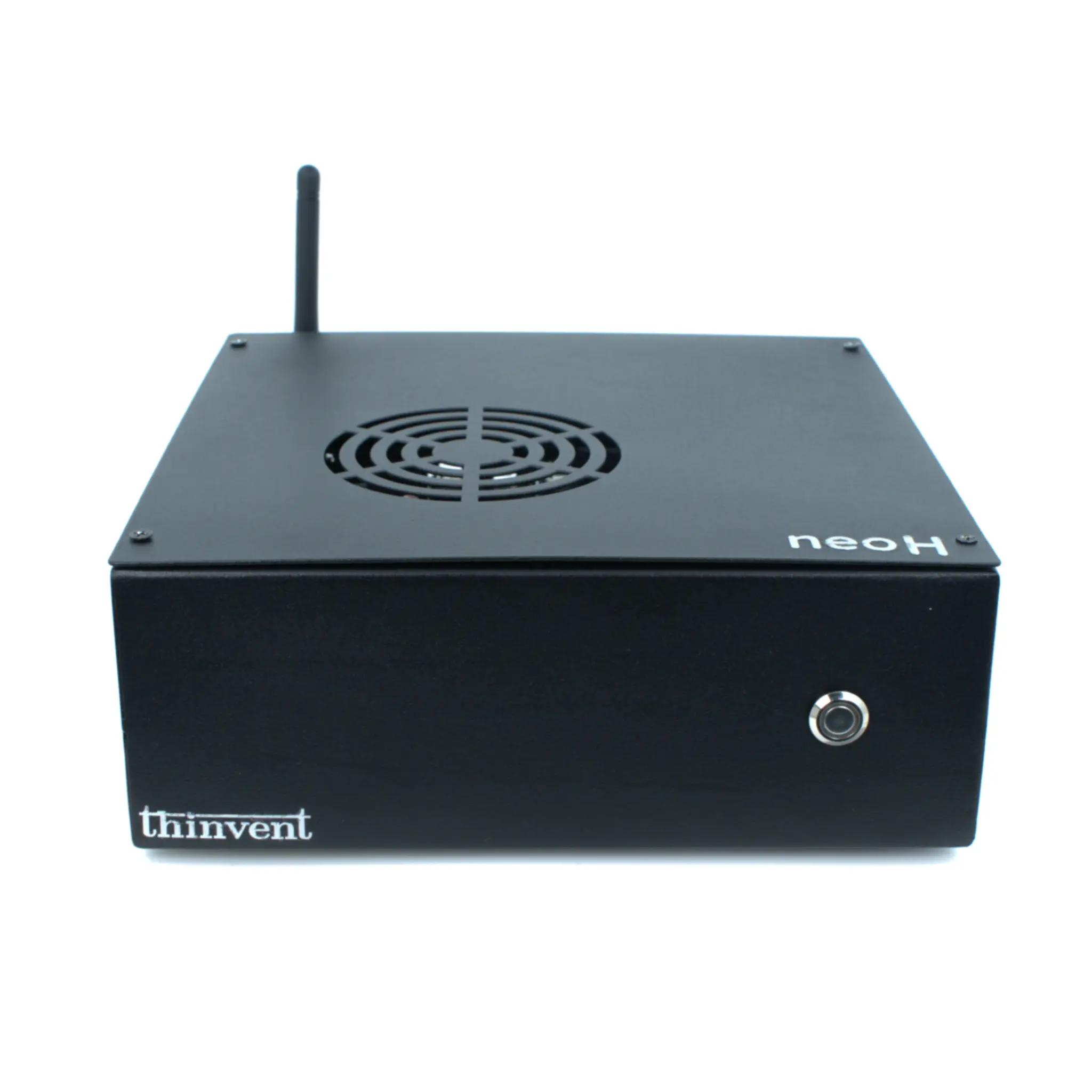
A home lab NAS (Network Attached Storage) server is a dedicated, always-on computer that provides centralized file storage, media streaming, and data backup services over a home network. For this application, an ideal system prioritizes low power consumption, silent operation, reliable 24/7 uptime, and robust connectivity for multiple storage drives and network clients. Modern, efficient mini PCs are perfectly suited for this role, offering a compact, fanless design that eliminates noise and dust intake while providing sufficient processing power for file serving, media transcoding, and running containerized applications like Plex, Nextcloud, or TrueNAS.
Key Specifications for a Home Lab NAS
The core requirements for a capable NAS mini PC include a modern, low-power processor, ample RAM for caching and running services, and versatile connectivity. A processor like the Intel N100, with its 4 efficient cores, provides more than enough performance for file serving and light transcoding while consuming minimal electricity. At least 8GB of RAM is recommended, with 16GB being ideal for running multiple services or virtual machines. Storage is critical; the system should support multiple drives via SATA or M.2 interfaces, and include 2.5GbE or dual Gigabit Ethernet ports for fast network transfers and link aggregation. A fanless, vented metal chassis is essential for silent, reliable operation in a living space.
Use Cases and Applications
A home lab NAS built on a mini PC serves as the data hub for a modern household. Primary applications include centralized file storage for documents, photos, and videos accessible to all family devices; a media server for streaming movies and music to smart TVs, phones, and tablets; and an automated backup destination for PCs and mobile devices. Advanced users leverage them as a platform for self-hosted services like password managers, home automation controllers, game servers, and development environments using Docker, making the NAS a true private cloud.
Comparison: Key NAS Mini PC Features
| Feature | Importance for NAS | Recommendation |
|---|---|---|
| Processor | Handles file transfers, encryption, media transcoding. | Intel N-series (N100/N95) or low-power i3. |
| Memory (RAM) | Affects simultaneous users, service performance, and caching. | 8GB minimum, 16GB recommended. |
| Storage Bays | Determines total capacity and RAID configuration options. | Support for 1-2 internal SATA/M.2 SSDs/HDDs. |
| Networking | Critical for data transfer speeds across the network. | Dual Gigabit Ethernet or single 2.5GbE port. |
| Power & Cooling | Impacts electricity costs, noise, and long-term reliability. | Fanless design with low TDP (Thermal Design Power). |
| OS Flexibility | Allows installation of preferred NAS software. | Compatibility with Linux, TrueNAS Scale, UnRAID, etc. |
Thinvent Solutions for Your Home Lab NAS
Thinvent's range of industrial mini PCs, like the Aero series, are engineered for the demands of a 24/7 home lab NAS. These systems feature robust, fanless metal enclosures that ensure silent operation and superior heat dissipation. With options for efficient Intel processors, configurable RAM and storage, and reliable Gigabit Ethernet connectivity, they provide a stable and power-efficient foundation. Their compact size allows for discreet placement, while their industrial-grade components guarantee the durability needed for constant operation, making them an excellent choice for building a reliable and capable personal cloud server.