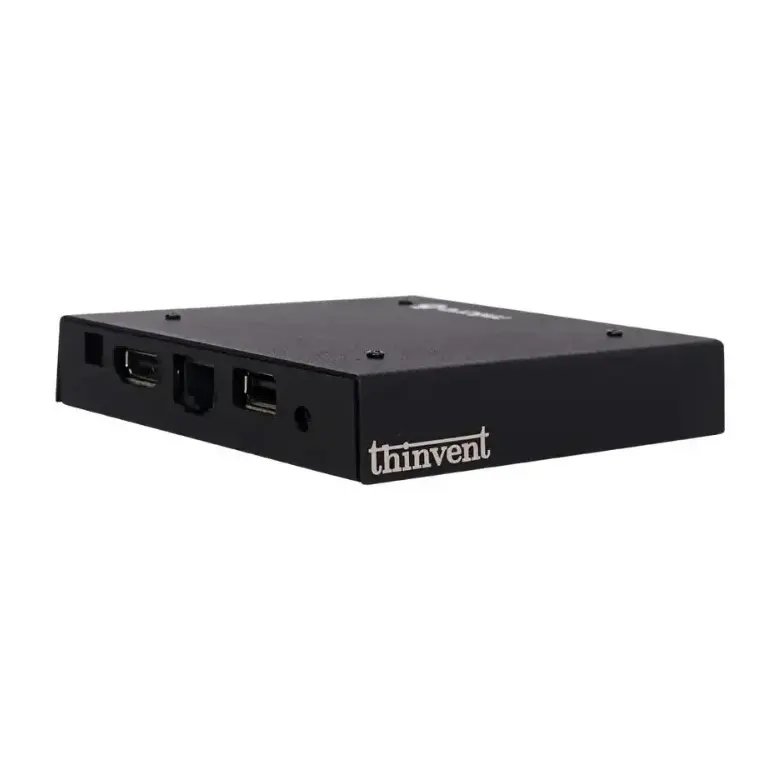
What is a Home Assistant Server?
A Home Assistant server is a dedicated computing device that runs the open-source Home Assistant software, centralizing control of smart home devices from different brands into a single, local interface. Unlike cloud-dependent hubs, a local server provides enhanced privacy, reliability, and faster automation responses. The ideal hardware is a compact, energy-efficient, and always-on computer that can handle background processing for dozens of integrations.
Key Specifications for Home Assistant Hardware
For optimal Home Assistant performance, focus on these core specifications:
-
Processor: A modern, low-power CPU like an Intel N-series (e.g., N100) is ideal. It provides ample performance for the core software, add-ons, and databases without excessive heat or power draw.
-
Memory (RAM): 8GB of RAM is a recommended starting point for a robust setup with multiple integrations and add-ons like Frigate for camera processing. 4GB can suffice for lighter deployments.
-
Storage: A 128GB SSD provides fast boot times and responsive database operations, with plenty of space for the OS, Home Assistant, and years of logging data.
-
Form Factor & Cooling: A fanless Mini PC is perfect. Its silent operation ensures no noise pollution in living spaces, and the rugged, ventless design prevents dust buildup, enhancing long-term reliability for 24/7 operation.
-
Connectivity: Multiple USB ports are essential for Z-Wave or Zigbee dongles. Gigabit Ethernet ensures a stable, high-speed connection to your home network, which is more reliable than Wi-Fi for a core home automation system.
Why a Dedicated Mini PC Beats Repurposed Hardware
While users often repurpose old hardware like the HP T620 thin client, a modern fanless mini PC offers significant advantages:
| Feature | Repurposed Thin Client (e.g., HP T620) | Modern Fanless Mini PC (e.g., Intel N100) |
|---|---|---|
| Performance | Older, less efficient CPU | Modern, efficient architecture with higher IPC |
| Power Efficiency | Higher idle power consumption | Extremely low power draw, saving on energy costs |
| Form Factor | Often larger and may have fans | Compact, truly silent fanless design |
| Reliability | Used hardware, potential for failure | New hardware with full warranty, designed for 24/7 use |
| I/O & Expansion | Limited, older ports (e.g., USB 2.0) | Modern ports (USB 3.2, multiple display outputs) |
A dedicated mini PC provides a future-proof, reliable, and performant foundation for your smart home, avoiding the pitfalls of aging, second-hand equipment.
Thinvent Solutions for Home Assistant
Thinvent's range of industrial-grade mini PCs are engineered to excel as always-on home automation servers. Our Aero Mini PC series, featuring the Intel processor N100, is a standout choice. It combines a quad-core processor, up to 16GB of DDR4 RAM, and SSD storage in a robust, fanless metal chassis. This ensures silent, dependable operation in any environment. We offer flexibility with multiple operating system options, including Ubuntu Linux and our own Thinux™ Embedded Linux, which are ideal platforms for deploying Home Assistant. By choosing a Thinvent mini PC, you invest in a purpose-built, reliable core for your connected home.