Intel i7U vs i5H: Understanding Processor Suffixes
The query "I7U Vs I5H" refers to a comparison between two distinct Intel Core processor series differentiated by their power and thermal design, indicated by the suffix letters 'U' and 'H'. The 'U' series denotes Ultra-Low Power processors designed for efficiency and fanless operation in compact systems, while the 'H' series represents High-Performance processors built for demanding workloads in larger, actively cooled systems. The primary difference lies in their Thermal Design Power (TDP), which dictates performance ceilings, heat generation, and suitable applications.
Key Specifications and Technical Details
The core technical distinction is TDP. A typical Intel Core i7 U-series processor (e.g., i7-1355U) has a TDP of 15W, prioritizing energy efficiency and minimal heat output. This allows it to be used in fanless, compact industrial PCs. In contrast, a typical Intel Core i5 H-series processor (e.g., i5-13500H) has a much higher TDP, often 45W or more, enabling significantly higher sustained clock speeds and core performance for intensive tasks. While an i7U may have more cores/threads than an i5H in some generations, the i5H's higher power budget allows its cores to run faster for longer, often resulting in superior raw computational throughput.
Use Cases and Applications
Choosing between these processors depends entirely on the application's demands and environmental constraints:
-
Intel Core i7 U-Series (Ultra-Low Power): Ideal for space-constrained, fanless systems requiring reliable 24/7 operation. Perfect for digital signage, kiosks, thin clients, light-edge computing, and IoT gateways where low power consumption, silence, and dust resistance are critical.
-
Intel Core i5 H-Series (High Performance): Suited for industrial workstations, automation controllers, machine vision systems, and rugged laptops where processing power for CAD, simulation, data analysis, or real-time processing is the top priority, and active cooling (fans) is acceptable.
Comparison Table: i7U vs i5H
| Feature | Intel Core i7 U-Series (e.g., i7-1355U) | Intel Core i5 H-Series (e.g., i5-13500H) |
|---|---|---|
| TDP (Thermal Design Power) | ~15W (Ultra-Low Power) | ~45W+ (High Performance) |
| Primary Design Goal | Efficiency, Low Heat, Fanless Operation | Maximum Computational Performance |
| Typical Use Case | Compact/Fanless PCs, Digital Signage, IoT | Industrial Workstations, Heavy Computing |
| Cooling Requirement | Passive (Fanless) or Minimal Active Cooling | Robust Active Cooling (Fans) Required |
| Form Factor Suitability | Mini PCs, Thin Clients, Small Form Factors | Larger Industrial PCs, Rugged Laptops |
Thinvent Products Featuring These Technologies
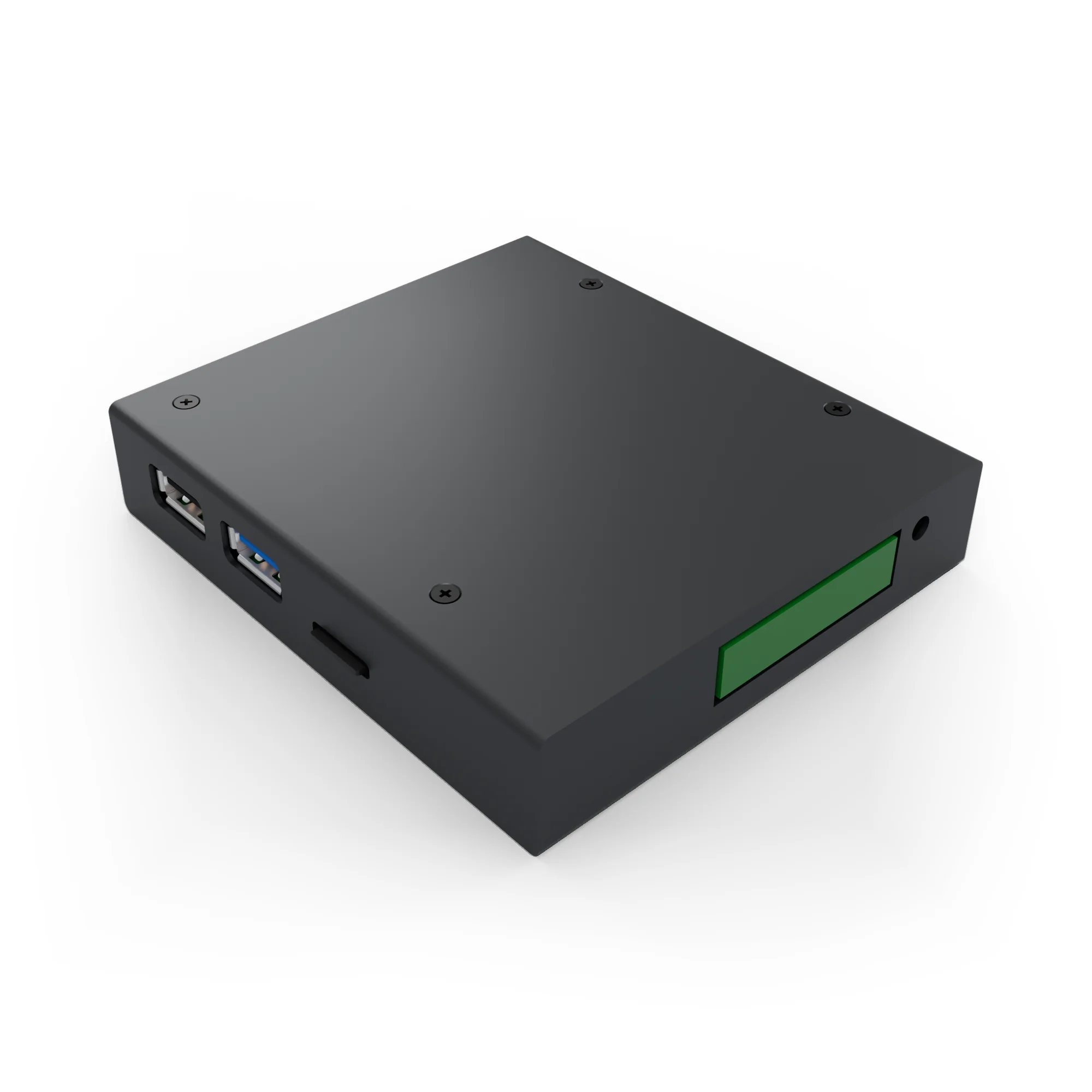
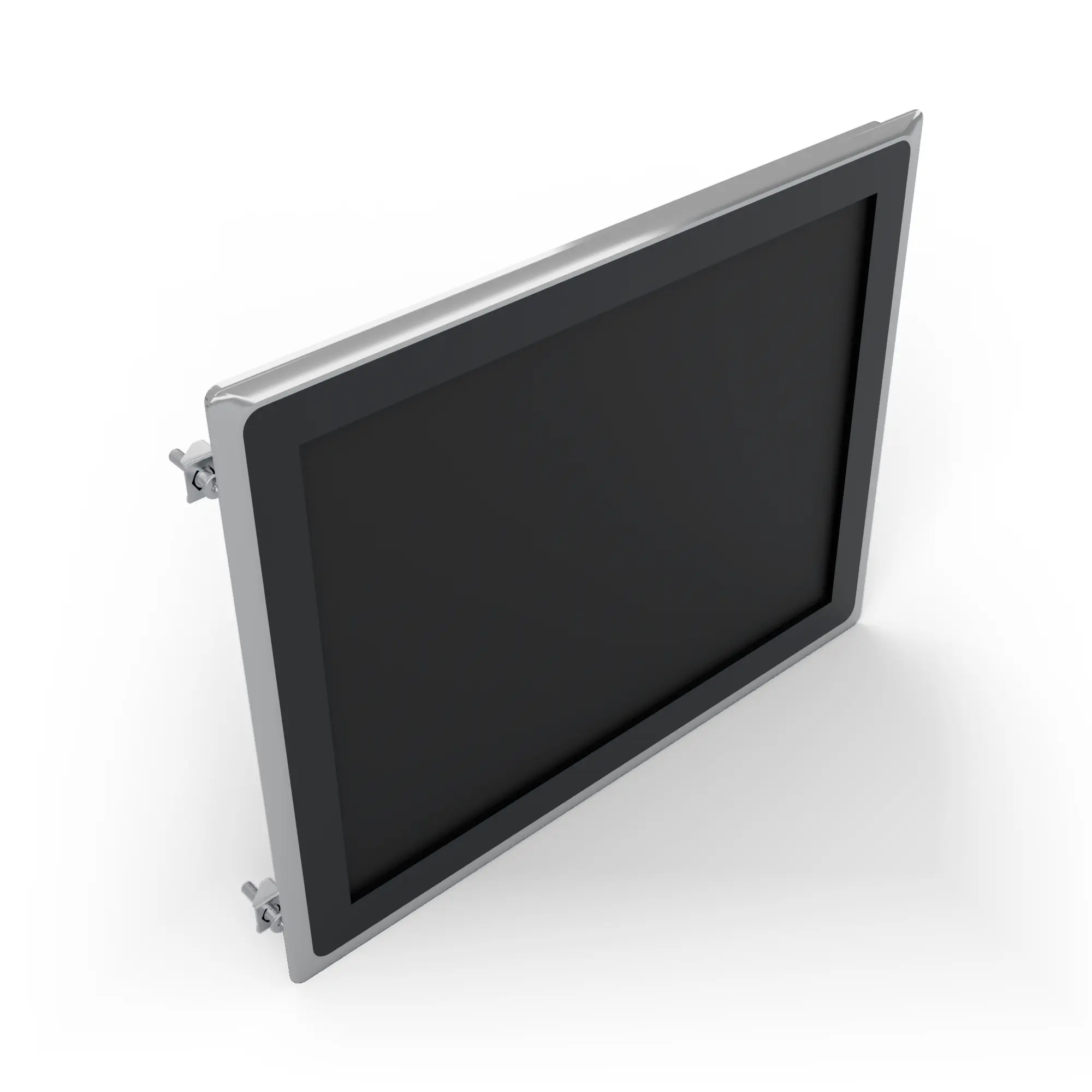
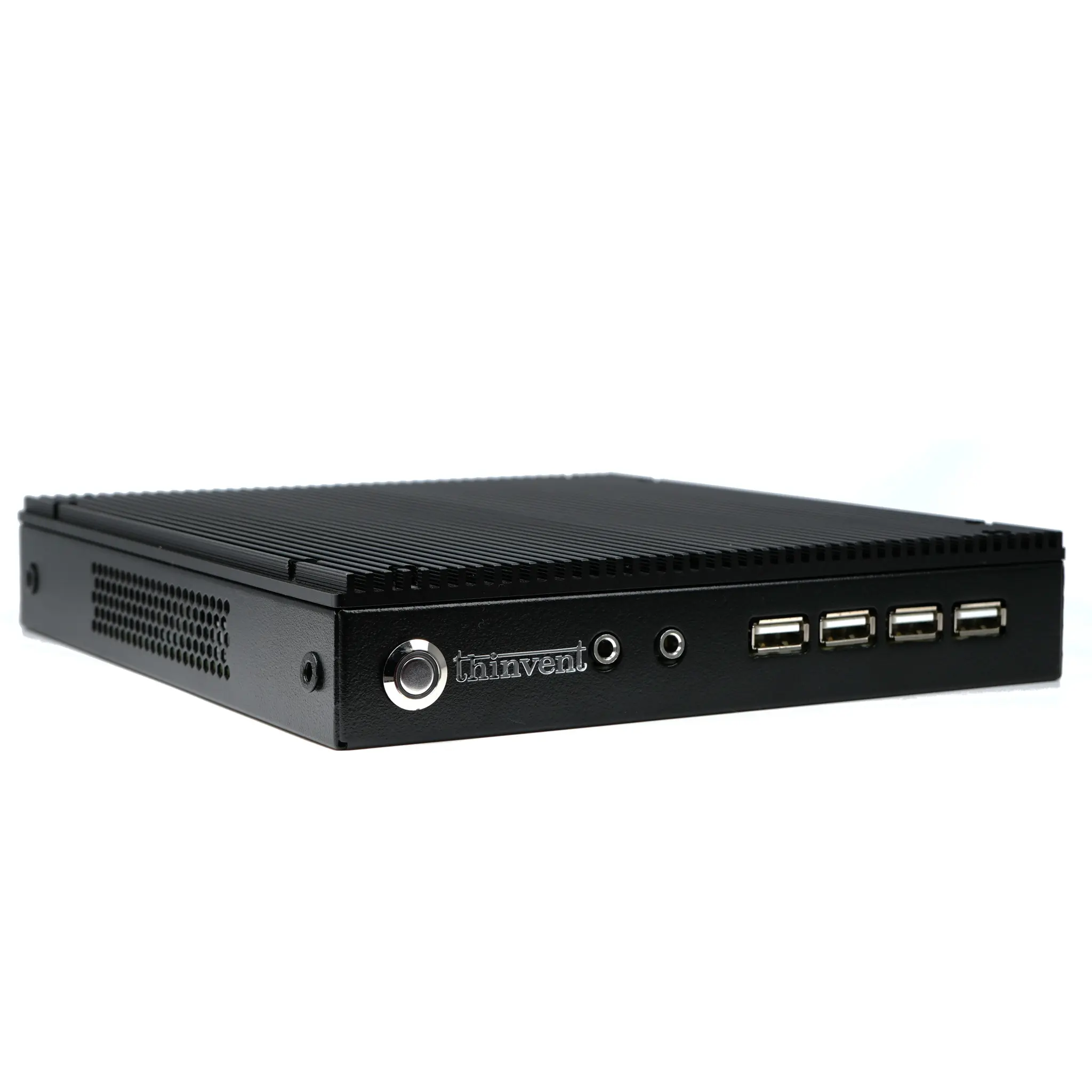
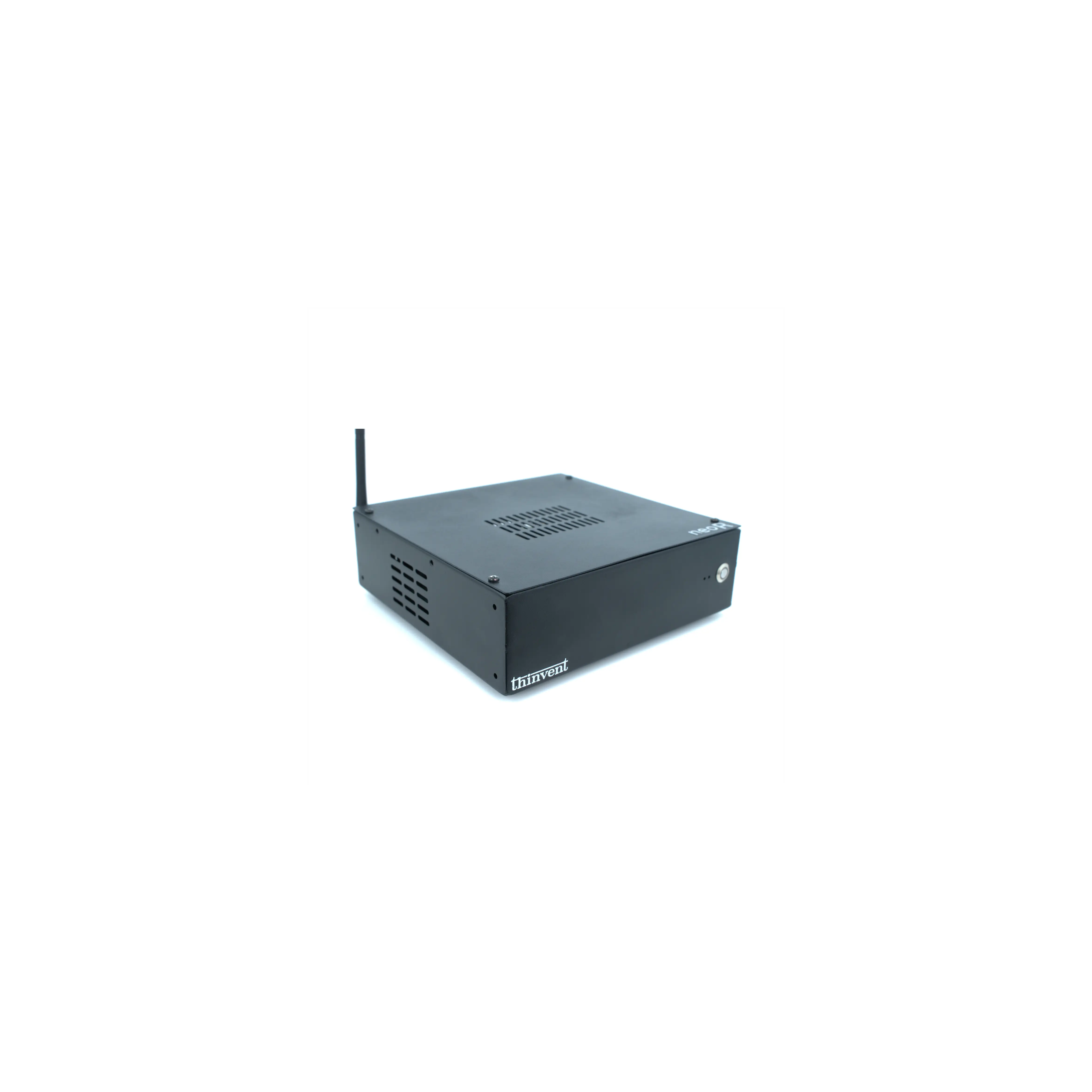
Thinvent's industrial computing portfolio leverages both processor philosophies to meet diverse customer needs. For applications demanding the efficiency and reliability of U-series processors, our fanless Mini PCs and Panel PCs offer robust, silent operation in harsh environments. For roles requiring the raw power of H-series performance, our high-end Industrial PCs and Workstations provide the necessary thermal management and computational muscle. By understanding this key distinction between U and H series processors, you can select the perfect Thinvent solution that balances performance, power, and form factor for your specific industrial challenge.