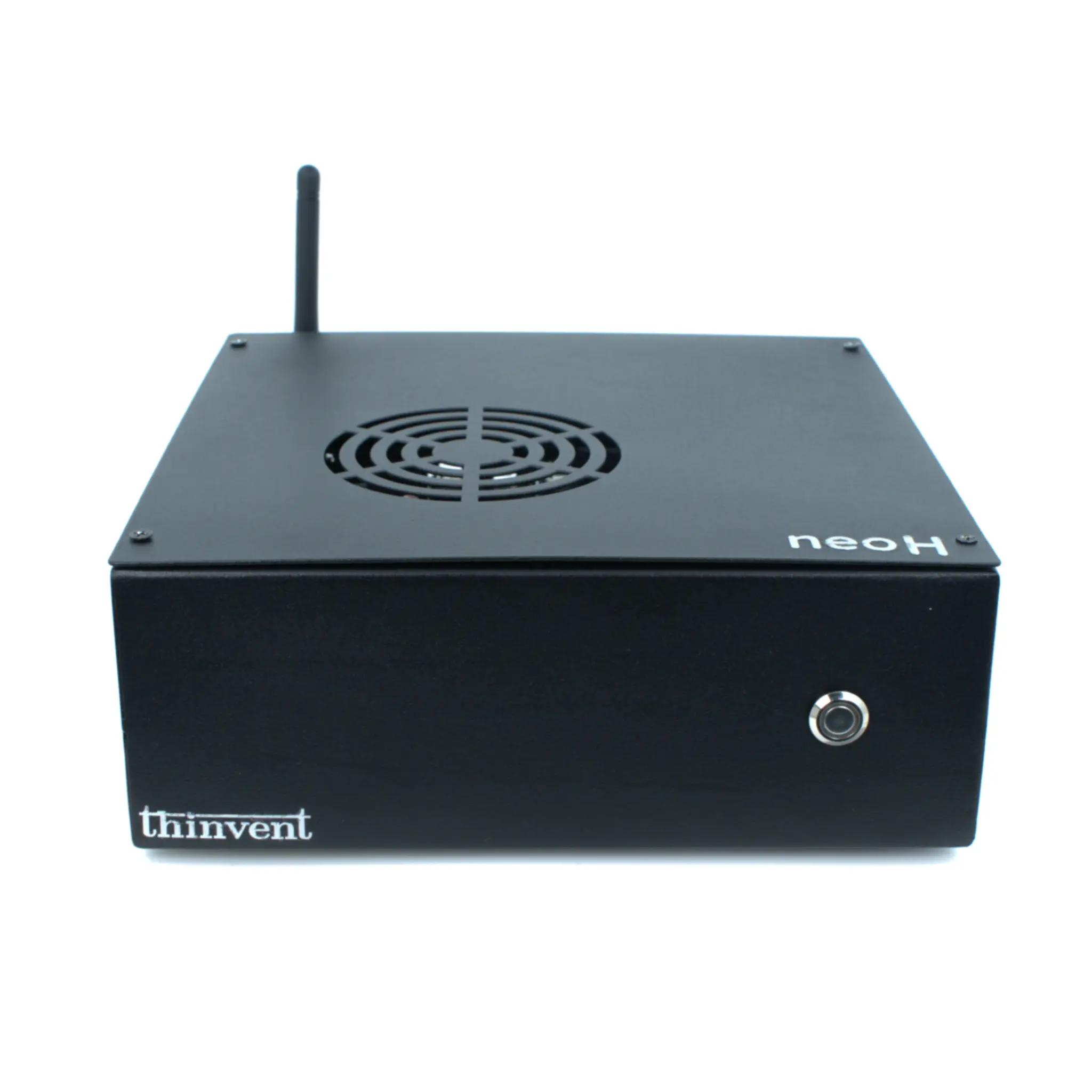
What is a System Unit?
A system unit, often referred to as a computer case or chassis, is the main enclosure that houses the core components of a computer. This includes the motherboard, central processing unit (CPU), memory (RAM), storage drives, and power supply. In modern computing, especially for industrial and commercial applications, the traditional bulky tower has evolved into more compact, efficient, and ruggedized form factors like fanless mini PCs and thin clients. These units prioritize reliability, space-saving design, and the ability to operate in demanding environments without the need for active cooling.
Key Specifications and Technical Details
Modern industrial system units are defined by their core specifications which determine performance and suitability for specific tasks. Key components include:
-
Processor (CPU): Ranges from efficient Intel N-series processors (e.g., N100) for basic tasks and digital signage to powerful Intel Core i3/i5/i7 CPUs for data processing and edge computing.
-
Memory (RAM): Typically from 4GB to 64GB DDR4 or DDR5, supporting multitasking and application performance.
-
Storage: Solid State Drives (SSDs) from 128GB to 2TB+ offer fast boot times, quick data access, and enhanced durability over traditional hard drives.
-
Connectivity: Multiple Gigabit Ethernet ports, USB 3.2/Type-C, HDMI/DisplayPort outputs, and optional Wi-Fi/Bluetooth are standard.
-
Design: A critical feature is fanless cooling, which uses advanced heat dissipation techniques to eliminate moving parts. This results in silent operation, improved reliability (no dust intake or fan failure), and the ability to function in wide temperature ranges.
Applications and Use Cases
These compact and robust system units are deployed across various industries due to their versatility and durability.
-
Digital Signage & Kiosks: Powering interactive displays in retail, hospitality, and public spaces.
-
Industrial Automation: Serving as control units for manufacturing equipment, PLCs, and HMI systems.
-
Edge Computing & IoT Gateways: Processing data locally from sensors and devices in smart factories, agriculture, and logistics.
-
Thin Client & VDI: Providing secure, centralized desktop access for office, education, and healthcare environments.
-
Embedded Systems: Integrated into transportation, medical devices, and telecommunications infrastructure.
Comparison of Common System Unit Form Factors
| Form Factor | Typical Use Case | Key Advantages | Considerations |
|---|---|---|---|
| Industrial Mini PC | Edge computing, automation, digital signage | Compact, fanless, wide temp range, multiple I/O | May require external peripherals |
| Thin Client | Virtual Desktop Infrastructure (VDI), office work | Low power, secure, easy to manage | Dependent on network/server performance |
| All-in-One PC | Retail POS, reception desks, control rooms | Integrated display, clean cabling, space-saving | Less flexible for hardware upgrades |
| Rackmount Industrial PC | Data centers, network operations, server applications | High density, scalable, robust for 24/7 operation | Larger size, requires rack infrastructure |
Thinvent's Range of Industrial System Units
Thinvent specializes in manufacturing high-reliability, fanless industrial computers that serve as modern system units for global applications. Our product lineup includes compact Aero Mini PCs featuring efficient Intel processors like the N100, perfect for space-constrained and harsh environments. For more demanding computational tasks, we offer systems powered by Intel Core i-series processors. All Thinvent units are built with durability in mind, featuring robust metal enclosures, wide voltage input ranges, and support for multiple operating systems including Windows, Linux, and embedded platforms. This ensures a reliable computing core for your specific industrial, commercial, or embedded application.